
Aphid Identification & Control on Houseplants
Aphids are common and destructive plant pests that thrive in spring and summer when the warm air and fresh new growth support their development and reproduction. About a hundred generalist or polyphagous aphid species can affect a wide variety of houseplants and may persist all-year-round indoors.
Aphids can be a serious threat in an indoor garden because they:
- Thrive in warm, stable indoor temperatures, allowing them to reproduce all year round without overwintering as eggs.
- Reproduce rapidly and asexually. Each adult female can produce 3-12 live young (nymphs) daily for 2-4 weeks, producing 12-20 generations annually.
- Mature quickly. The nymphs go through four nymphal stages within 4-10 days before molting into a reproductive adult female.
- Feed voraciously on plant sap. Each nymph can readily feed on plant sap after birth until maturity.
- Can produce winged adults when populations are too high, allowing them to spread rapidly to nearby houseplants.
- Target new growth, causing yellowing or curling leaves and stunted growth on seedlings or newly rooted cuttings. New leaves on mature plants may also appear curled or deformed.
- Can spread unnoticed through infested new plants or contaminated soil, clothes, or gardening tools.
- Can carry and transmit viruses from one plant to another.
- Require integrated pest management techniques to eradicate. It’s crucial to prune severely infested foliage, manually remove visible adults on remaining leaves, and treat the plant with organic insecticides like neem oil or insecticidal soap. In severe cases, chemical insecticides may be necessary.
This article will examine the life cycle of aphids and their unique reproductive behavior. I’ll also guide you through the proper identification, treatment, and prevention of an aphid infestation.
Quick Guide
| Common Name(s) | Aphids, Greenfly, Blackfly, Plant Lice |
| Scientific Name | Aphididae |
| Pest Type | Insect |
| Commonly Affects | Foliage houseplants, flowering plants, herbs, succulents |
| Size | Nymphs: Less than 0.04 inches (1 mm) Adults: 1/16-⅛ inches (1.6-3.2 mm) |
| Color | Green, yellow, black, orange, pink, brown, red, or white |
| Signs of Infestation | Sticky honeydew Curled or deformed leaves Visible clusters of tiny insects |
| Preferred Conditions | Warm environments Soft, new plant growth |
| Damage Level | Moderate to severe |
| Prevention Methods | Quarantine new plants, inspect regularly, apply neem oil preventively |
| Treatment Options | Manual removal, water spray, rubbing alcohol, neem oil, insecticidal soap, pyrethrin |
Life Cycle, Behavior, and Environmental Triggers
Aphids are sap-feeding pests that belong to the order Hemiptera and are closely related to mealybugs and scale insects. They’re further classified under the family Aphididae, which consists of around 5,000 species—over 1,000 are found in North America.
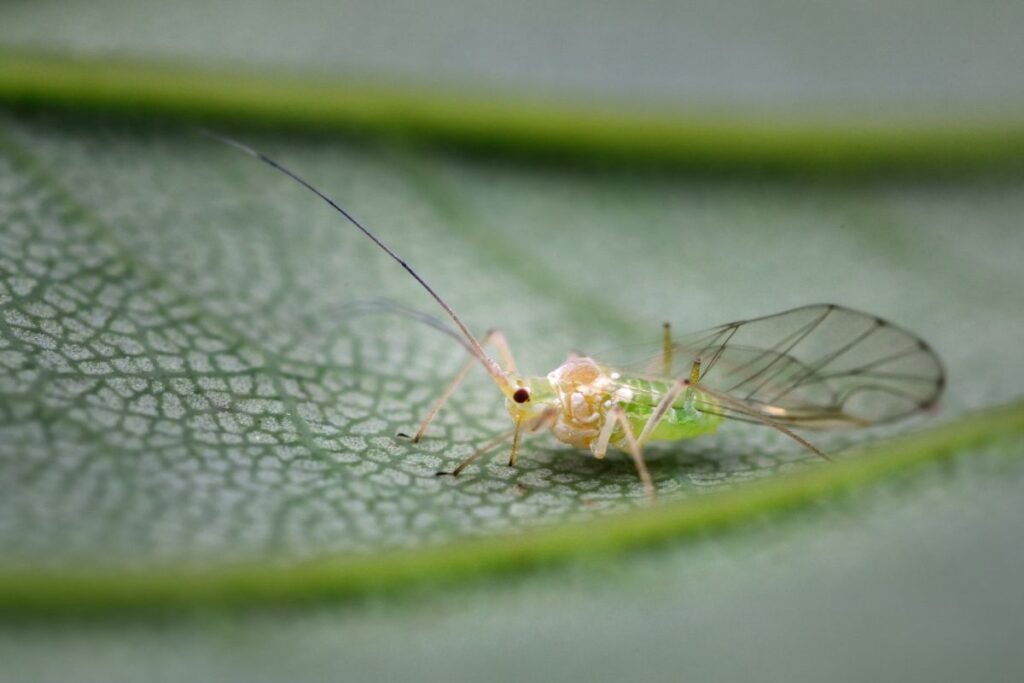
All aphid species share the following physical traits:
- Small head with long antennae and mouthparts designed for piercing and sucking
- Pear-shaped, soft, translucent body
- Six legs
- Two cornicles sticking out on the rear end
On the other hand, variations can occur in the following traits:
- Size: Can range from 0.04-0.25 inches (1-7 mm) long
- Color: Green, black, brown, orange, red/pink, white, or mottled
- Wings: The body of winged adults appear darker, longer, and more slender than wingless adults
Note: Adult female aphids typically lay nymphs that later develop into winged adults when the quality of the host declines or the pest population and competition for food rises. The winged form allows aphids to migrate to nearby plants to scout for food.
Many species, such as rose aphids, cabbage aphids, and oleander aphids, are host-specific and seldom attack plants unrelated to their hosts.
In contrast, generalist aphid species explore other plants when the quality of their preferred hosts declines or the pest populations rise. As such, they can infest a wide range of plant families, including houseplants.
Below are some aphid species to watch out for indoors:
- Black bean aphid (Aphis fabae)
- Cotton or melon aphid (Aphis gossypii)
- Green peach aphid (Myzus persicae)
- Groundnut aphid (Aphis craccivora)
Here’s a guide to the differences among common aphid species affecting houseplants:
| Species | Common Hosts | Appearance at Different Life Stages | Damage and Disease Transmission |
| Black Bean Aphid (Aphis fabae) Often incorrectly called “blackfly,” although there are numerous black, winged aphid species | Preferred: Family Fabaceae (beans, legumes), genus Euonymus (spindle tree), Philadelphus (mock orange), Viburnum Alternatives: Flowering and herbaceous plants (over 200 species) | Eggs: Black, round, less than 0.5 mm long, forming clusters along leaf veins or petioles Nymphs: <1 mm long, miniature adults Adults: Up to 2 mm long, black body with whitish legs, black cornicles Winged Adults: Have translucent wings | Distorted and stunted growth, leaf curling, lack of flowers Beets Yellow Virus (BYV) Bean Leaf Roll Virus (BLRV) Bean Common Mosaic Virus (BCMV) Bean Common Mosaic Necrosis Virus (BCMNV) |
| Cotton or Melon Aphid (Aphis gossypii) | Preferred: Cotton and Cucurbit family Alternatives: Around 700 other plant species | Eggs: White, round, less than 0.5 mm long, forming clusters on leaf undersides Nymphs: <1 mm long, grayish-green body Adults: Up to 2 mm long, light to dark green (almost black), stout body with black cornicles, yellow legs | Leaf curling, yellowing, leaf drop, distorted or stunted growth Mosaic viruses of Cucurbit species Cotton Leaf Roll Dwarf Virus (CLRDV) |
| Green Peach Aphid (Myzus persicae) | Preferred: Genus Prunus (peach), apricots, and plum Alternatives: Over 400 species of herbaceous plants | Eggs: Around 0.5 mm long, yellow or green, elliptical Nymphs: <1 mm long, light green to yellow (pinkish for those that develop into winged adults) Adults: Around 2 mm long, light or yellowish-green body (sometimes red), dark-tipped legs, green cornicles Winged Adults: Dark back, light green abdomen, translucent wings, around 2 mm long | Leaf curling, yellowing, distorted new growth, stunted or slowed growth Bean Common Mosaic Virus (BCMV) Bean Common Mosaic Necrosis Virus (BCMNV) Cucumber Mosaic Virus (CMV) Potato Virus Y (PVY) Tobacco Etch Virus (TEV) |
| Potato Aphid (Macrosiphum euphorbiae) | Preferred: Potatoes, tomatoes, rose (winter) Alternatives: Over 200 herbaceous and flowering plant species | Eggs: Less than 0.5 mm long, white, elliptical Nymphs: <1 mm long, miniature adult Adults: Up to ⅛ inches (3.6 mm) long, pear-shaped, elongated body with long legs and antennae, can be pink or green, cornicles with dark tips, fast-moving Winged Adults: green or red body with black specks and translucent wings | Leaf curling, yellowing, distorted new growth, stunted or slowed growth Potato Virus Y (PVY) Potato Leaf Roll Virus (PLRV) Mosaic viruses of lily, iris, and narcissus |
Life Cycle
Aphids are a unique group of insects that exhibit polyphenism—a genetic ability to produce distinct forms depending on the following environmental cues:
- Temperature
- Day length
- Food quality
- Overcrowding
The above factors can cause differentiation in the following phenotypes:
- Reproductive polyphenism: Asexual viviparous females can produce live young. On the other hand, oviparous females can lay eggs asexually (or sexually when male aphids are present).
- Wing polyphenism: Aphids can have winged or wingless forms.
Reproductive Polyphenism
Day length and air temperatures influence aphids genetically to produce two phenotypes:
- Asexual viviparous female nymphs hatch from overwintering eggs in spring when days become longer and the air is warm. They molt around four times and mature within 4-10 days when temperatures are high. The adults give birth to 3-12 live nymphs daily for the next 2-4 weeks (which is their average lifespan).
- Oviparous or egg-laying females (with or without males) are typically produced by asexual viviparous females in the fall as days get shorter and the air gets colder. Winged females may also be born to find an alternate host that doesn’t shed leaves in winter to ensure the survival of the eggs. Egg-laying aphid generations exhaust their lifespan of up to 30 days in the fall after depositing eggs.
Sexual adult aphids have a different life cycle with three stages:
- Eggs: Can survive for several months over winter on leaf undersides
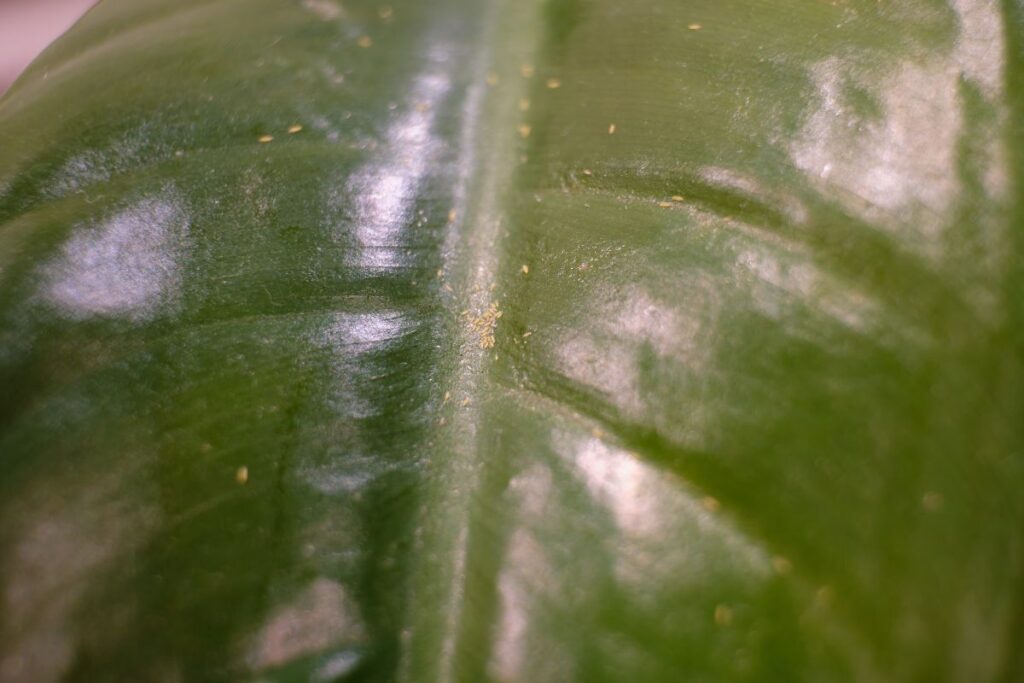
- Nymphs: Start of the feeding stage. They look like miniature adults and go through four nymphal stages within 4-10 days. The leftover exoskeleton (molt) can sometimes confirm an aphid infestation.
- Adult: Can be winged or wingless and live for 2-4 weeks
Winged Vs. Wingless
A decline in food quality and competition with a large aphid population can trigger aphids to produce nymphs that pupate into winged adults.
Due to their small size and flimsy wings, aphids are weak fliers and depend on wind to fly large distances to other plants to find a suitable food source. Once satisfied, they can stay on the new plant and produce wingless offspring.
Note: Aphids persist in asexual viviparous form indoors primarily due to stable indoor temperatures, making them capable of producing 12-20 overlapping generations annually. Winged aphids are rarely seen in indoor gardens if the host plant has sufficient new growth (food source).
Environmental Factors Favoring Aphid Infestations
Aphids thrive indoors in the following conditions:
- Stable warm temperatures of around 68-77 °F (20-25 °C) promote high fecundity and feeding rates. Indoor heating during the colder months can promote continuous aphid reproduction and also dry out the air and weaken plants’ resistance to pest damage. Note: Temperatures over 82 °F (28 °C) can be stressful or even fatal to aphids.
- Regular watering and moderate humidity (around 50%) keep plants well-hydrated and support new growth, which are ideal for aphid populations to grow.
- The lack of natural aphid predators like lacewings or lady beetles allow aphid populations to increase rapidly.
- Applying nitrogen-rich fertilizers during the growing season promotes abundant new growth, which serves as an excellent food source for aphids.
- The absence of naturally occurring entomopathogenic fungi in sterile or properly processed potting mix encourages aphid populations to flourish. These fungi are fatal to aphids.
- The steady growth of tropical plants all year round provides a reliable food source for aphids. Tropical plants typically don’t enter dormancy and will continue putting out new growth at stable indoor lighting and temperatures. Note: Growth slows only when there’s insufficient light, cooler temperatures, and less watering during the cold season.
Indoor Infestation
Aphids are soft-bodied warm-season pests that actively feed on outdoor plants from spring to summer. Viviparous females birth oviparous females and sexual males in the fall to lay eggs that will survive through winter.
Indoors, several generations of viviparous female aphids persist all year round.
They can enter an indoor garden or greenhouse through the following ways:
- Infested new plants from nurseries: Young plants from nurseries can carry less conspicuous nymphs and spread them to your existing houseplants.
- Outdoor exposure (bringing plants inside): I once brought in my outdoor potted daisies in the fall without knowing they had aphids. Before I knew it, the pests had already spread to nearby plants in my crowded east-facing indoor garden.
- Contaminated tools, hands, or clothes: Aphids may also hitch a ride on unwashed pruning shears, hand cultivators, and other gardening tools.
- Air currents. Although rare, the wind can help winged aphids reach houseplants near an open window. Strong enough wind from indoor fans can also help transfer the lightweight wingless aphids from one plant to another.
Feeding Behavior and Potential Disease Transmission
Aphids suck the sap from plant phloem using a piercing mouthpart (stylet) that works like a straw. They primarily feed on tender new growth, which is easier to pierce into.
I occasionally find aphids feeding on the roots of my plants, which have fresh new leaves emerging from the soil, such as my ZZ plants and other soil-rooted cuttings.
An aphid’s feeding behavior can lead to the following series of events:
- Aphids draw viruses from one plant as they feed. The pathogen can stay in the aphids’ system throughout its life (persistent) and can be transmitted to all new plants or parts they feed on. On the other hand, some viruses may stay only on the outer surface of the stylet for a few minutes or hours (non-persistent) and may be transmissible only within that period.
- They excrete a sugary substance called honeydew, which can attract fungi and/or ants.
- Sooty mold fungi feed on the honeydew and produce black mycelia, turning the plant surface black and potentially inhibiting photosynthesis in the affected area.
- Ants may climb the plant to harvest honeydew and protect the aphids. This usually occurs in warmer climates where ants thrive and may occur indoors.
Note: Mosaic viruses of potato, cucumber, bean, and flowers are acquired by aphids in a non-persistent manner. The disease can only be transmitted to another plant within minutes or a few hours after acquisition, making it less likely for indoor plants to be affected.
In the rare case that aphids transmit viruses to houseplants, symptoms are typically limited to yellowing leaves at the site of infestation, as the pathogens are host-specific. Only plants that belong to the same family will show severe symptoms.
Symptoms of Aphid Infestation
Aphids prefer feeding on tender new growth or herbaceous plants, so the early signs of infestation are often visible on the houseplants’ growing tips.
Early Signs
Minor infestations of aphids have little to no significant damage on plants.
Early symptoms include:
- Sticky residue on leaves (honeydew)
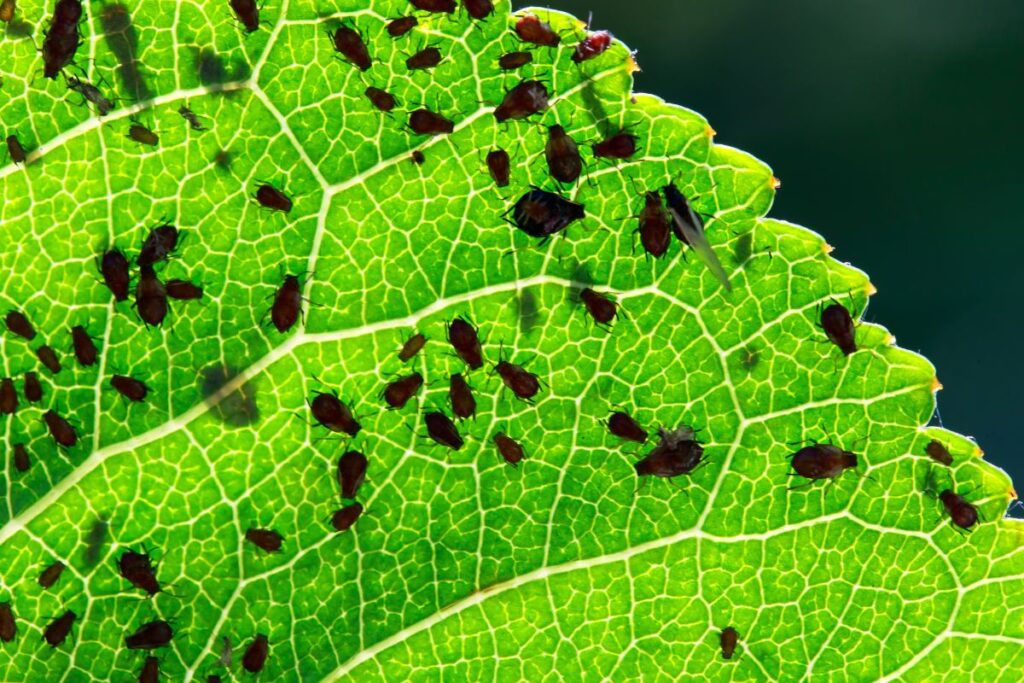
- Clusters of tiny insects on fleshy stems or undersides of leaves
Advanced Infestation Symptoms
Uninterrupted and rapid aphid population growth can lead to more noticeable damage, such as:
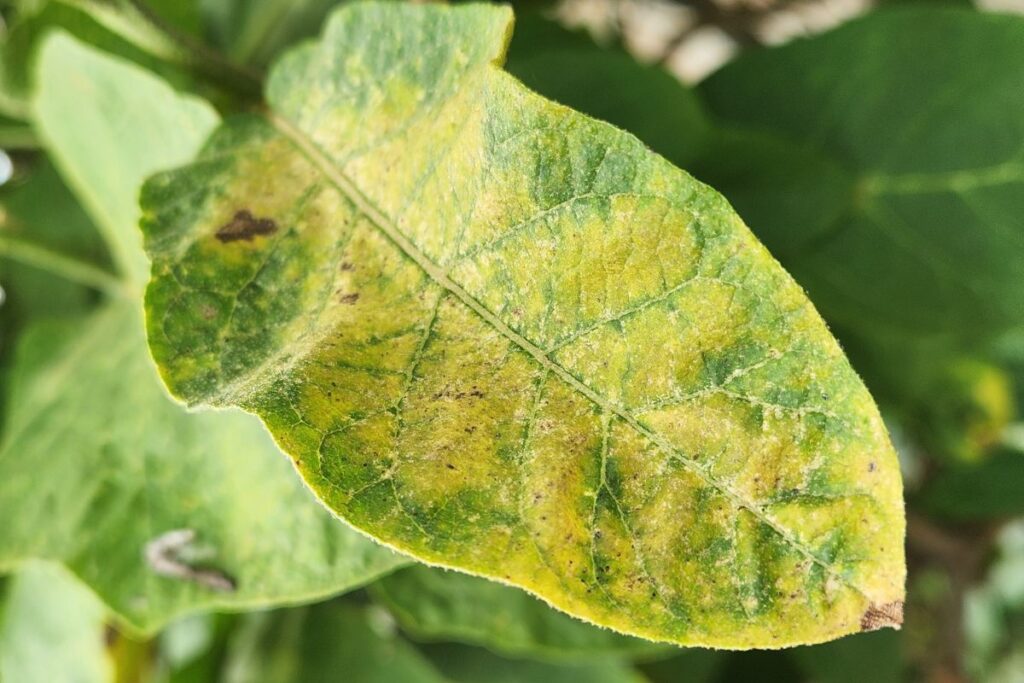
- Curled, misshapen, or yellowing new growth
- Black sooty mold forming on honeydew deposits
- Presence of winged aphids flying near plants
- Leaf drop
- Stunted growth or death, especially when there’s aphid damage on young plant roots
Confirmatory Tests
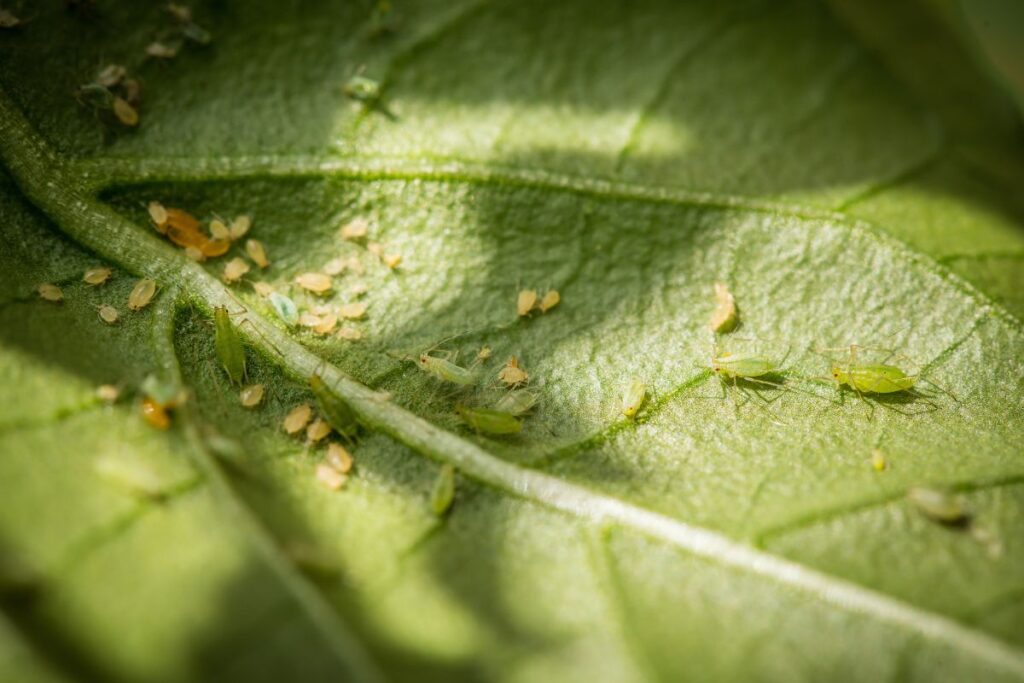
Aphids have a distinct pear-shaped body and two cornicles at the rear end, which set them apart from other common houseplant pests.
Here are some tips and tools to confirm an aphid infestation:
- Magnifying glass or smartphone camera: Use a 10-30x magnifying glass or your smartphone camera to focus on the soft-bodied insects on leaf undersides or stems. You may also catch whitish insect exoskeleton left behind by aphid nymphs after molting.
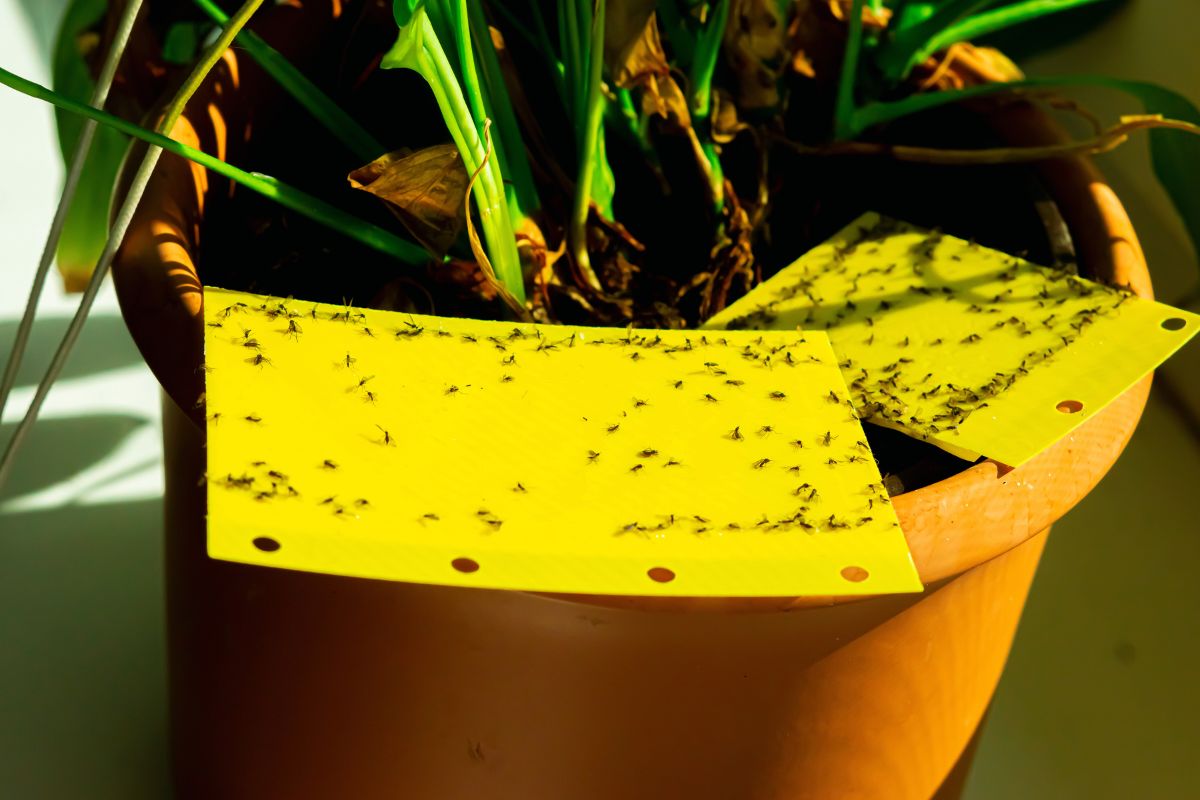
- Sticky Traps: Place sticky trap cards near your plants to catch winged aphids. Their body shape and cornicles differentiate them from other winged pests, such as whiteflies, thrips, or fungus gnats.
Treatment
Aphids are fast-growing, rapidly multiplying insect pests that require prompt and stringent intervention to keep them under control. Thankfully, they typically don’t require skilled professionals and can be addressed with common home items.
You may treat a mild aphid infestation using materials commonly found at home, such as:
- Pruning shears to remove severely infested plant leaves or branches
- Rubbing alcohol to sterilize the pruning shears between cuts
- A hose with a mild shower spray setting to dislodge the aphids
- A cotton swab with rubbing alcohol to remove the remaining aphids
- Liquid dish soap to drown and kill the collected aphids
- Clean cloth to wipe spray droplets on furniture
Other materials that you may need to purchase from gardening stores in case of a moderate to severe infestation include:
- Neem oil spray
- Insecticidal soap
- Pyrethrin spray
- Green lacewing eggs or larvae
- Lady beetles
- Parasitoid wasps
With proper implementation of integrated pest management methods, you can keep an aphid infestation under control (or eliminated) within 6-8 weeks.
Let’s explore how to use them below:
Immediate Actions
Upon confirming an aphid infestation, follow the tips below:
- Check nearby plants for aphid activity. Identify all infested plants for isolation and to prevent the potential spread to asymptomatic plants.
- Isolate the infested plant/s immediately. Select an area with similar lighting, temperature, and humidity conditions to prevent further plant stress.
- Prune and remove heavily infested plant parts. You may drop the pruned parts in a bucket of soapy water to kill the aphids. Once dry, properly discard into a garbage bag. Avoid adding the infested cuttings to your compost pile, as the chemicals in the soap can contaminate the compost.
Physical Removal
You can remove the remaining aphids manually with the following methods:
- Water spray: Good for large, sturdy plants with dense foliage (i.e., fiddle leaf figs and rubber plants). Use a strong water spray to knock off and potentially kill aphids. Bring your plants to the bathtub, and use the shower spray or bring them to a shady spot outdoors. Aim for the new growth on top and move downward.
- Water soak: Good for smaller plants with tight, overlapping (whorled) leaves or plants with localized infestations. I once had aphids on a few monstera leaf buds that were about to unfurl. Dunk the affected leaves in room-temperature filtered water, and swirl to dislodge the aphids. Avoid wetting the soil to prevent unwanted excess moisture that can cause root rot.
- Alcohol swab: Can be labor-intensive, so it helps to remove most aphids with a water spray or soak first. Dip a cotton swab in rubbing alcohol, and scrape the remaining aphids off the leaves. Alcohol can draw moisture off the aphid’s soft body and dehydrate it. Avoid touching the leaves with alcohol as it can have a similar dehydrating effect. Drop the insects in soapy water to ensure they don’t survive.
After manually removing large numbers of aphids, wipe the honeydew, sooty mold, and excess moisture on the leaves with a clean, damp towel.
Pro Tip: For younger plants, such as seedlings or newly rooted cuttings, the above methods may be too harsh.
Here are some tips to properly dislodge the pests off fragile plants:
- Securely wrap the mouth of the pot with foil or plastic to prevent the soil from falling out.
- Carefully tilt the pot to the side in the tub.
- Aim the shower spray (mild spray setting) at the infested leaves to detach the aphids’ stylets from the plant and wash them away.
- Gently wipe the leaves with a clean cloth to remove excess water droplets that can lead to bacterial or fungal diseases.
- Spray the plant with plant-safe insecticidal soap once weekly to eliminate any remaining aphids.
- Place a mesh cover over the young plants to deter winged pests and filter the light.
Natural & Organic Remedies
You may also eliminate the less conspicuous nymphs using organic sprays.
Note: DIY gardeners may recommend using homemade sprays containing garlic, onion, or cayenne. However, I don’t recommend them because they’re unrefined, and not all extracts from these plants can kill pests like aphids.
Home preparation techniques, such as mixing or heating several ingredients together, may also convert the active ingredients into forms that can be harmful to human health or damage your houseplants (phytotoxic).
When purchasing organic insecticide sprays, check the product label for an OMRI certification to confirm that it’s safe for the plant and the environment.
Common organic pesticides found in gardening stores include:
- Neem oil spray: Mix 1 tbsp neem oil + 1 tsp dish soap + 1 quart water. Spray the solution at night weekly for up to 8 weeks. Aim for the leaf undersides and areas that couldn’t be reached by the alcohol swab (i.e., whorled leaves).
- Insecticidal soap: Use a properly formulated commercial insecticidal soap that’s plant-safe and effective. Insecticidal soaps are effective only upon contact with the aphids. Reapply every 3-5 days at night until there are no more signs of aphids.
- Horticultural oils: Can be petroleum or plant-based (i.e., sesame or cottonseed oil). Petroleum-based oils are more refined than plant-based oils. Be sure to purchase lab-formulated horticultural oil sprays, and avoid using homemade products to ensure they’re safe for plants. Follow the dosage and application frequency recommendations on the product label.
Pro Tip: I use neem oil and insecticidal soap alternately for maximum effectiveness because aphids can reproduce quickly. I recommend applying insecticidal soap 3-4 days after a neem oil treatment.
Other sources may claim neem oil doesn’t work against aphids and can cause aesthetic damage to plant leaves. Note that neem works upon contact, so aim the spray at the undersides of leaves or stems, and apply it generously to your plant. For the best results, do this after sunset to avoid sunburn or leaf scorch.
You can wipe excess oil or soap droplets that land on furniture using a clean cloth to prevent water stains.
Biological Controls (Predatory Insects)
Beneficial insects like predatory bugs and parasitoid wasps effectively control aphid populations outdoors. You may also consider using them if you have a severe infestation in a large indoor garden or greenhouse.
Here’s a guide to the pros and cons of common beneficial insects you can introduce indoors:
| Beneficial Insect | Pros | Cons |
| Ladybugs or Lady Beetles (Hippodamia convergens) | Voraciously feed on aphid nymphs and adults Will also feed on scale insects and mealybugs Widely available in gardening stores | Can fly away when aphid populations are low May hide in curtains or sofa covers and give off a foul odor when they die |
| Green Lacewing Larvae (Chrysoperla carnea) | Called “aphid lions” due to their large appetite for aphids Generalist predators that also feed on scales, mealybugs, and thrips | Eggs may lose viability during transport and fail to hatch. Pro Tip: Purchase readily available larvae and follow the supplier’s instructions for proper storage and use. Adults don’t feed on aphids and can fly around indoors, often becoming a nuisance. Pro Tip: Flowering plants like peace lilies (spring) can feed adult green lacewings and encourage them to stay indoors and lay eggs on houseplants. |
| Parasitoid Wasps (Aphidius spp.) | Wasps that specifically lay eggs inside aphids. The larvae parasitize and kill the aphids. | They can take 7-10 days to kill an aphid. The mummified aphids (brown) remain on the plant and require routine and manual removal. Flying wasps can be a nuisance indoors. |
Note: Don’t use beneficial insects alongside organic or chemical insecticides, which can kill them and render the biological control method ineffective.
Chemical Treatment
Many commercially available chemical insecticides are effective against aphids. However, popular products like acephate and malathion are not recommended for indoor use due to potential risks of human respiratory issues and contact dermatitis.
Only pyrethrin or permethrin-based sprays can be safely used indoors and are effective against aphids, as they can kill pests on contact. That said, it’s important to repeat application every 3-5 days or as indicated on the product label. Follow the product-specific safety guidelines and application frequency for indoor use.
Note: Imidacloprid isn’t very effective against aphids because the chemical is translocated in the plant via the xylem. Aphids are phloem feeders and little to no chemical is absorbed through the phloem.
Signs of Recovery and Post-Isolation Steps
On average, aphids can live and actively feed on plant sap for 4-6 weeks (nymphal stages and adult lifespan). Considering the overlapping generations, it’s best to quarantine and treat infested plants for 6-8 weeks or until there are no more new signs of pests.
Here are the signs that your plant is recovering and pest-free:
- New growth free of aphids and distortion
- No sticky residue or sooty mold present
- No visible aphids after repeated inspections
Note: Treat aphid infestations completely as surviving ones can produce new winged aphids that can re-infest your indoor garden.
After clearing the 8-week treatment without any new signs of aphids, you can return the plants to their usual spot in your indoor garden. Repeat neem oil applications every 2 weeks on all nearby plants to prevent a re-infestation.
Troubleshooting Common Problems
Let’s explore the common problems with aphid infestations and their corresponding solutions:
Severe Infestation: When to Consider Discarding a Plant
Large and mature plants are generally tolerant to aphid infestations, especially since the pests target only new growth.
On the other hand, young plants like seedlings and cuttings are more vulnerable to aphid damage because the stunted or distorted new growth cannot support the plant’s health.
If the recommended treatment methods above don’t work, consider discarding your plant when it shows the following issues:
- More than 50% of the plant is affected
- Aphids have infested the roots or persist despite repeated treatments
Aphids Keep Coming Back
Aphids may re-infest your indoor garden due to the following:
- Surviving nymphs after initial treatments
- Untreated nearby plants
- Contaminated gardening tools
To ensure a thorough treatment and minimize the risk of an infestation, follow the integrated pest management methods below:
- Identify and isolate infested plants.
- Manually remove the aphids using water spray, soaking, or alcohol swabs.
- Treat the plant with neem oil and/or insecticidal soap spray weekly.
- Routinely check the plant for any new signs of pests, and treat promptly.
- Continue with the neem oil treatment every 1-2 weeks, even after the aphids are gone.
Ants Protecting Aphid Colonies
If you live in a warm climate, you may notice ants protecting pest populations on your houseplants.
Ants have a mutualistic relationship with aphids and scale insects because they harvest the honeydew produced by plant pests. In exchange, they protect (farm) the pests by warding off natural predators.
Note: Lady beetles and green lacewing larvae are not very effective when there are ants on your plants.
You can control ant populations on your houseplants with the following methods:
- Sprinkle a thin layer of diatomaceous earth (DE) or cinnamon powder on the soil. The jagged pieces of diatomaceous earth can cut or wound the ants, gradually dehydrating and killing them. On the other hand, cinnamon powder can deter or confuse ants, keeping them away from the honeydew on the plant.
- Stick a double-sided tape at the bottom of the pots to catch ants and prevent them from climbing up to your plant. Replace the tape regularly.
- Clean the leaves with a damp cloth regularly to remove honeydew and inhibit an ant infestation.
Preventative Measures
Pest infestations can quickly get out of hand indoors due to environmental conditions that favor aphid reproduction and activity.
Follow the preventative measures below to prevent the aphids from getting into your home garden or to keep an existing infestation from escalating:
Inspect New Plants Before Acquiring
Before buying or getting new houseplants, inspect the leaves and stems carefully to ensure they’re free from pests and diseases. Inspect the new growth and undersides of the leaves for aphid eggs and nymphs.
Quarantine New Plants
Even after a thorough inspection before acquisition, it’s still important to quarantine new plants, as hidden pests may reveal themselves.
Isolate new plants for around 6 weeks in a separate room before placing them in your indoor garden. During quarantine, inspect the plants thoroughly for signs of aphid (or other pest) infestations and treat as needed with alcohol swabs and neem oil or insecticidal soap sprays.
Regular Inspections & Maintenance
Inspect plants weekly, especially new growth and leaf undersides. You can do this every time you water and/or rotate your plants as part of your plant care routine. You may also clean the leaves and pluck dried or aging ones to remove potential hiding spots.
Sterilize Gardening Tools
It’s also important to sterilize gardening tools like pruning shears and hand cultivators with alcohol before and during use (i.e., between different plants/parts) to prevent the spread of pests and diseases.
Wash pots and gardening tools with bleach and rinse thoroughly with water before and after use.
Use Natural Repellents or Barriers
Apply neem oil spray every 2–3 weeks as a preventive measure. Spray the leaf undersides and growing tips of mature plants, as aphids primarily feed on soft growth.
Place a mesh dome over seedlings or newly rooted and transplanted cuttings to prevent flying pests, such as winged aphids, thrips, and fungus gnats, from feeding on them.
Encourage Strong Plant Health
A healthy plant has better resistance to severe aphid infestations.
To keep your plant healthy, be sure to:
- Avoid overwatering and overfertilizing. Excess moisture and nitrogen can promote excessive and juicy new growth, which is attractive to aphids.
- Maintain moderate temperatures (65-75 °F or 18-24 °C) and humidity (40–60%). Although aphids thrive in similar conditions, preventing plant stress from fluctuating temperatures and humidity is of utmost importance.
- Check new leaf or flower buds for signs of pest infestations. Inspect regularly using a magnifying glass or smartphone camera to catch and treat problems promptly and prevent deformities in the new growth.
Houseplants Prone to Aphid Infestations and Symptoms
Below is a list of popular houseplants that are vulnerable to aphid infestations:
| Plant Species | Symptoms |
| African violet (Saintpaulia ionantha) |
|
| Anthurium (Anthurium andraeanum) |
|
| Dieffenbachia or Dumb Cane (Dieffenbachia seguine) |
|
| Elephant Ear Plant (Alocasia spp.) |
|
| English Ivy (Hedera helix) |
|
| Fiddle Leaf Fig (Ficus lyrata) |
|
| Gardenia (Gardenia spp.) |
|
| Heartleaf Philodendron (Philodendron hederaceum) |
|
| Jade Plant (Crassula ovata) |
|
| Lucky Bamboo (Dracaena sanderiana) |
|
| Monstera (Monstera deliciosa) |
|
| Peace Lily (Spathiphyllum spp.) |
|
| Pothos (Epipremnum spp.) |
|
| Wandering Jew (Tradescantia spp.) |
|
| ZZ Plant (Zamioculcas zamiifolia) |
|
Note: In addition to the symptoms above, aphids cause the following general symptoms:
- Sticky honeydew
- Tiny white exoskeletons (noticeable at high infestations)
- Sooty mold
- Ants (common in warm climates)
Comparison to Other Common Houseplant Pests
Here’s a brief guide to distinguish aphids from common houseplant pests:
| Pest Name | Size and Appearance | Symptoms |
| Aphids | 1/16-⅛ inches (1.6-3.2 mm) Pear-shaped body with 6 legs, 2 antennae, and 2 cornicles (rear) Green, yellow, red/pink, brown, or black | Localized yellowing at the site of infestation Curled or deformed new growth Honeydew, sooty mold, ants |
| Mealybugs | 1/16-⅛ inches (1.6-3.2 mm) Fluffy white wax-covered insects with segmented body and rear filaments | Localized yellowing Honeydew, sooty mold, ants |
| Scale Insects | 1/16-⅛ inches (1.6-3.2 mm) Tiny brown, immobile bump Oyster or tortoise-shaped shell | Localized yellowing Drooping young stems or stalks Honeydew, sooty mold, ants |
| Spider Mites | Microscopic, <1 mm Spider-like with 6 legs (nymph) or 8 legs (adult) Black, red, or spotted | Stippled leaves (yellow or white specks) Webbing Leaf drop |
| Thrips | 1/16-⅛ inches (1.6-3.2 mm) Slender yellowish or brown body with fringed wings | Silvery or bronze patches on leaf surface or undersides Tiny black specks (thrip excrement) |
Final Thoughts
Minor aphid infestations don’t cause noticeable damage on houseplants, especially on mature, healthy ones. In contrast, prolonged and severe infestations can deform and stunt new growth.
Treat an aphid infestation promptly after detection as it can quickly get out of control. Employ multiple pest management methods for more effective control.
Here’s my go-to aphid control regimen:
- Spray the leaves with water from a hose or shower spray. Alternatively, dunk the leaves of small plants into tepid filtered water.
- Scrape the remaining aphids on leaves and stems with an alcohol swab and drop in soapy water.
- Spray the plant weekly with neem oil or every 3-5 days with insecticidal soap. Do it at night to prevent leaf scorch (sunburn).
- Monitor the plant daily for new signs of aphids and manually remove individual pests with alcohol swabs.
It’s crucial to treat an aphid infestation thoroughly, as any surviving aphid can reproduce quickly and potentially give rise to a winged generation that can transfer to other plants in your indoor garden.
Leave a comment below about your experience with aphid infestations on houseplants. Please share how you managed the problem or ask questions for more expert advice.