
30 Common Low-Light Houseplants (Care Tips & Essentials)
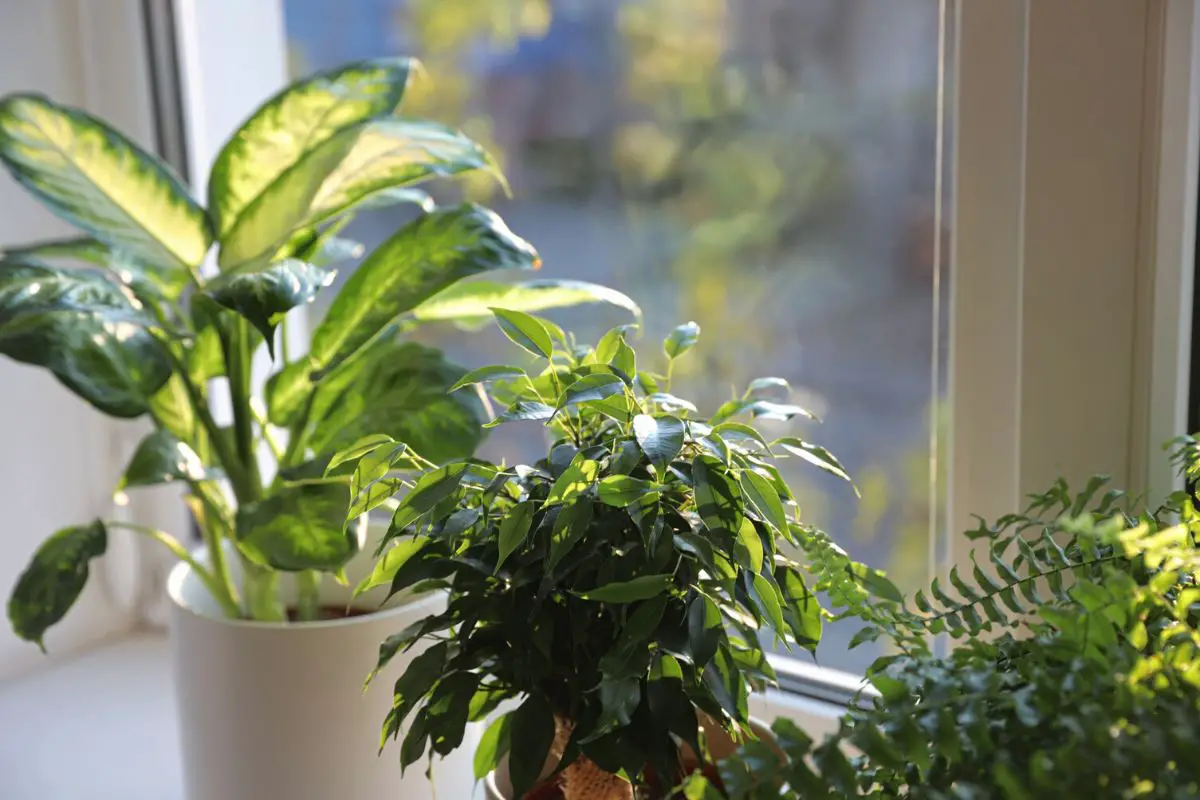
Interior design has evolved over the years to include houseplants that brighten an indoor space, boost productivity, and improve mental health. However, insufficient natural lighting is a primary challenge most indoor gardeners face when selecting houseplants.
Success in keeping a thriving indoor garden largely depends on understanding how less light affects the plants’ basic needs.
It’s also essential to understand that so-called low-light houseplants:
- Thrive best with bright indirect or filtered light but are very adaptable to lower light conditions.
- Require warm temperatures (65-80 °F or 18-27 °C), regular watering, moderate humidity (30-60%), and regular feeding during spring and summer to wake them up from a semi-dormant or dormant phase.
- Are less likely to flower or produce fewer blooms without adequate natural light or duration of exposure (ideally up to 16 hours daily).
- Have a shorter lifespan when kept for extended periods in low light, especially when exposed exclusively to grow lamps.
- May benefit from relocation to brighter natural light conditions during the growing season for better health, appearance, and longevity.
This article rounds up 30 popular houseplants that thrive in spaces with limited natural light to help beginner plant collectors plan a perfect indoor garden. I’ll also share the essential care tips to keep houseplants thriving even in low light.
Low-Light Care Essentials
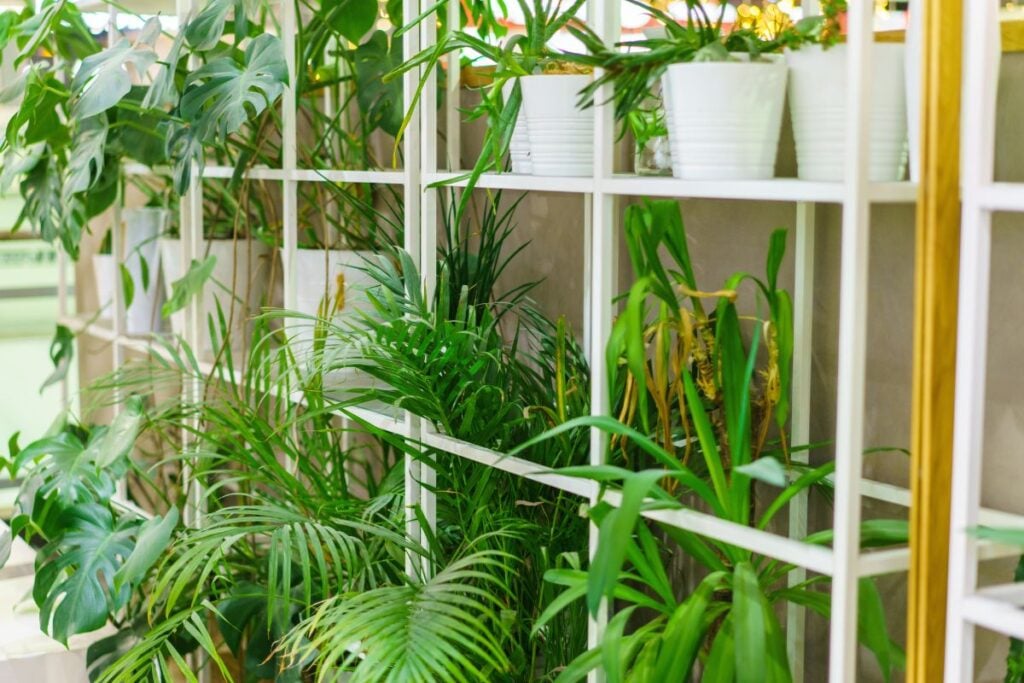
The popularity of low-light houseplants stems from their resilience and ability to adapt to common indoor environmental conditions and seasonal changes.
Light energy is an essential plant food, and it exists on a spectrum. Understanding your home’s light (natural or artificial) is the initial and most critical step in selecting a plant that will readily adapt to your given environment.
- Sunlight (natural light) consists of all colors on the spectrum and is the ideal source of light energy for plants. Blue and red light are the most important wavelengths that penetrate plant tissues and impact photosynthesis and growth.
- Artificial lights (i.e., LED, fluorescent, or incandescent) have unbalanced concentrations of blue and/or red light. Higher blue light concentration promotes root and leaf growth and keeps the plant compact. In contrast, more red light encourages flowering, fruit development, and taller/lankier plant growth.
With this in mind, the proper placement of houseplants should primarily depend on the availability of natural light.
Natural indoor lighting in the northern hemisphere (i.e., US) is typically classified into the following:
| Light Intensity | Placement and Duration of Exposure | Suitable Plants |
| High (>1,000 foot candles or >10,760 lux) | A spot next to an unobstructed windowsill that receives direct, unfiltered sunbeams East: Around 4 hours of direct but gentle morning sun and up to 8 hours of bright, indirect light West: Gentle, indirect sunlight in the morning and up to 4 hours of scorching afternoon and evening sun South: 8-12 hours of direct sunlight (highest intensity) | Cacti Succulents from arid regions Flowering plants like sunflowers, hibiscus |
| Moderate or Medium (250-1,000 ft-c or 2,690-10,760 lux) | A bright room where the plant has a wide view of the sky but isn’t in the direct path of the sun Keep the plant 4-8 feet (1.2-2.4 m) from a sunny window for bright, indirect light for about 8-12 hours a day | Tropical epiphytes Tropical succulents Herbaceous perennials |
| Low (50-250 ft-c or 538-2,690 lux) | A spot that receives no direct sunlight and is often over 8 feet (2.4 m) from a window or in a north-facing room. An unobstructed north-facing windowsill receives around 2 hours of low-intensity morning sun | Ferns, Bromeliads, Dracaenas, Money trees, Peace lilies, Pothos, Philodendrons, ZZ plants, etc. Note: This is the focus of our guide. Never place the plants on this list in direct sunlight, as it’ll scorch their leaves. |
Note: 1 foot candle is equal to 10.76 lux
Use foot candles (imperial) or lux (metric) as the unit of measuring light in gardening, as it tells you exactly how much light the plant receives in the given area. Lamps usually display lumen, which measures the amount of light emitted by the source. It is not an accurate measure of the light intensity plants receive.
Measuring Light Intensity

Obstructions like buildings, trees, or curtains can affect how much light your plant receives.
You can quantitatively measure the light intensity in your indoor garden with the following easy-to-use tools:
- Garden light measuring app on smartphones: Position the phone in the spot where you plan to place your houseplant and aim the camera at the light source (i.e., window or lamp) to get the reading.
- Light meter: Place the device next to your plant and aim the sensor toward the light source to get a reading.
For low-light houseplants, aim for a spot that receives at least 8 hours of 75-200 ft-c natural light per day for healthy growth. Supplement your plant’s lighting needs using artificial lights for a total of 12-16 hours of stable, low-intensity lighting.
Note: I don’t recommend using the “total daily light exposure” because there’s no written rule on how much total light each plant needs daily.
Instead, the duration of exposure (photoperiodism) dictates a plant’s metabolic activities. Plants require 8-16 hours of exposure to daylight to fuel photosynthesis and light-dependent reactions, and at least 8 consecutive hours of darkness for dark-dependent metabolism.
Artificial Light
Ideally, artificial lighting is used only to supplement the lack of natural light during dark or cloudy days. However, having a windowless room or office shouldn’t keep you from growing houseplants.
You can select from the following lamp types for your indoor garden:
- Full-spectrum grow lights for gardening are specially designed to cater to plant needs. Check the product label for plant specifications, as some products are designed for flowering houseplants (more red), while others are for foliage houseplants (more blue).
- Light-emitting diode (LED) lamps emit a wide light spectrum and have lower energy consumption costs.
- Fluorescent lamps are rich in cool, blue light, making them suitable for foliage houseplants.
- Incandescent lamps are rich in red or far-red light, suitable for flowering houseplants. They emit a lot of heat and must be placed at least a foot (30 cm) away from the plants.
Here are some tips when using artificial light sources for houseplants:
- Intensity: Check the lumens (light output) on the product label. For instance, a 40-watt bulb with 505 lumens will provide 505 foot candles or 505 lumens within a 1-square-foot parameter.
- Distance: Position the lamp 6-12 inches (15-30 cm) away from the plant to prevent leaf scorch, and adjust the height as the plant grows. Adjust the distance accordingly by measuring the light your plant receives using a light meter device or app.
- Location: Place the lamp directly above compact plants. For taller plants, position the lamp at a 45° angle to illuminate all the leaves along the stem or trunk.
- Rotation: Rotate the plant weekly or every time you water to prevent legginess or leaf discoloration (i.e., paleness or loss of variegation).
- Duration: Ensure the plant receives a total of 12 hours of light exposure daily (natural and/or artificial) for optimal growth. Increase the duration to 14-16 hours to promote bud development for flowering houseplants.

Impact of Insufficient Lighting
Although tolerant to low-light conditions, the plants on this list may exhibit the following symptoms when they don’t receive adequate light:
- Leggy or lanky stems (typically leaning toward the window or lamps)
- Weak stems
- Sparse leaves, especially on the side facing away from the light source
- Pale leaves
- Loss of variegations on variegated plant cultivars
- Slow or stunted growth
- Fewer or absence of flowers
These issues typically arise when low-light houseplants receive less than 12 hours of daylight (natural and artificial).
Note: Houseplants kept in low light for extended periods or exclusively under artificial lights (i.e., basements or windowless rooms) live shorter than their counterparts that receive bright natural indirect light.
Sunlight contains white light or a perfect balance of all colors on the spectrum that encourages antioxidant and vitamin production and boosts a plant’s resistance against stress, pests, and diseases.
Although LED lights with a high color rendering index (CRI) can mimic natural white light, plants cannot utilize the light waves the same way as they use sunlight. Greenhouses use special full-spectrum LED lights for crop production, but such devices are not practical for regular houseplants.
Care Adjustments
Light quality (intensity and duration) significantly affects other care and environmental parameters in an indoor garden.
Shade conditions naturally yield lower light energy and heat, reducing a plant’s metabolic rate and water intake. The slow moisture evaporation and plant transpiration rates can also reduce the local humidity in the indoor garden.
Here are some tips to properly adjust your care routine for plants growing in low light.
- Watering: Overwatering is the primary danger for low-light plants. Always check the soil moisture before watering, and water the plant only when the top 1-2 inches are completely dry.
- Light optimization: Move the plants a few feet (+0.6 m) closer to the window during the growing season for better access to natural light. Wipe the windows regularly to remove dust or snow and maximize light penetration into your home garden. In addition, rotate your plants by 90-180° weekly or every time you water for even light exposure and balanced growth.
- Temperature: Maintain warm indoor temperatures during the growing season (spring and summer) to promote plant growth despite the low light conditions. Aim for temperatures ranging from 65-80 °F (18-27 °C) to stimulate the plant’s metabolic activities. Avoid temperatures below 50 °F (10 °C) in winter since most tropical houseplants are chill-sensitive. Use space heaters as needed during the cold season.
- Humidity: Moderate indoor humidity levels (30-60%) are ideal for houseplants all year round. Avoid higher humidity (>60%) in low-light areas, as damp, dark conditions can promote fungal growth (i.e., mold, mildew, plant pathogens).
- Pruning and maintenance: Prune yellowing or dead leaves to maintain plant health. Regularly wipe leaves with a damp cloth to remove dust, which helps them absorb the limited available light more efficiently.
- Fertilizers: Due to slower growth, low-light plants require less fertilization. Feed with a balanced liquid fertilizer diluted to half-strength only once or twice during the spring/summer growing season. Feeding during spring can stimulate the plant’s active growth when the light intensity is too weak to wake it up from a semi-dormant or dormant state.
An appropriate selection of houseplants and a well-adjusted care routine are the key to a successful low-light garden.
1. African Violets (Saintpaulia ionantha)

- Common Name: African Violet
- Family: Gesneriaceae
- Plant Type: Flowering herbaceous perennial
- Native Area: Tropical East Africa
- Height & Spread: 4-6 inches (10-15 cm) tall and 4-16 inches (10-40 cm) wide
- Sun Exposure: Dappled shade; at least 8 hours of bright, filtered light or 14-16 hours of low light (natural + artificial)
- Soil Type: Moist, well-draining (i.e., 1:1 coco peat/peat moss and perlite mix)
- Watering: Moderate; Allow the top 1-2 inches (2.5-5 cm) to dry out
- Toxicity: Non-toxic
African violets are compact, flowering plants that make an excellent desktop display. They’re famous for purple or bluish flowers that readily bloom when they receive at least 8 hours of bright, indirect light daily.
When kept in a north- or northeast-facing room, ensure the plant receives as much natural light as possible. Supplement with artificial lighting for a total of 14-16 hours of low-light exposure and 8 hours of darkness daily to encourage flowering.
Keep African violets in moist, well-draining soil and warm, draft-free conditions for easy care and vibrant blooms all year round.
2. Anthurium (Anthurium andraeanum)
- Common Name: Anthurium, Painter’s palette, Flamingo lily
- Family: Araceae
- Plant Type: Flowering herbaceous perennial
- Native Area: Tropical Central and South America
- Height & Spread: 2-3 feet (0.6-0.9 m) tall and 1-2 feet (0.3-0.6 m) wide
- Sun Exposure: Partial sun to partial shade; at least 8 hours of bright, indirect sun or 14-16 hours of low light for flowering
- Soil Type: Porous, well-draining, rich in organic matter (i.e., equal parts standard potting mix, perlite, and compost)
- Watering: Moderate; Allow the top 2 inches (5 cm) to dry out
- Toxicity: Severe
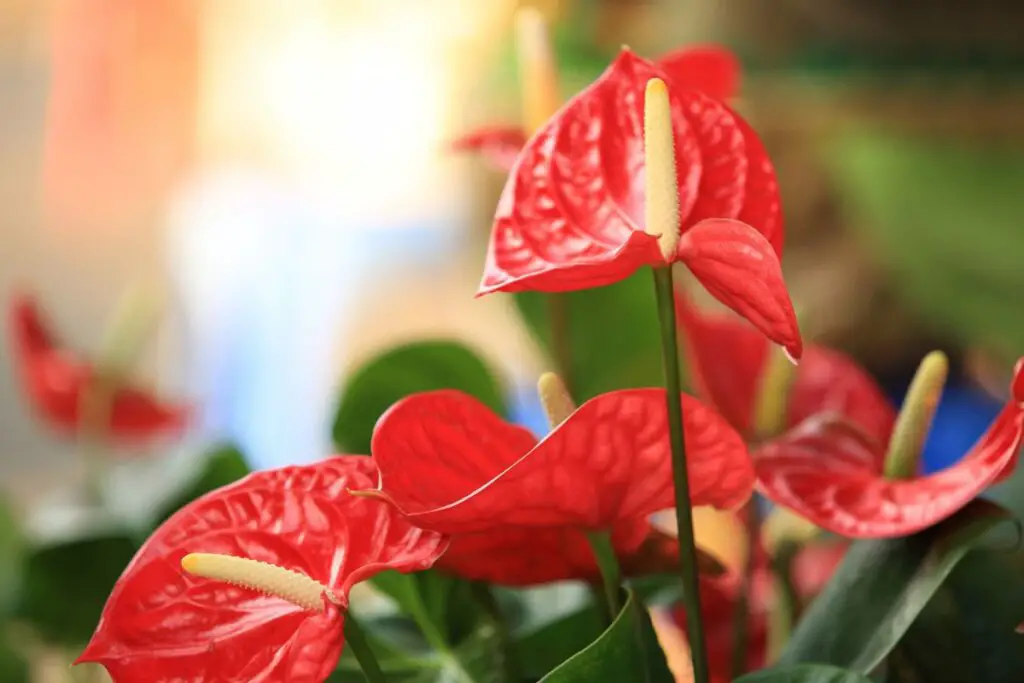
Anthuriums are compact houseplants with shiny, heart-shaped leaves. They’re popular for long-lasting yellow spadix flowers cupped by a bright red, heart-shaped bract.
The flowers require medium light intensity to develop, but long exposure (up to 16 hours) to low-intensity light daily can also promote flowering.
Plant anthuriums in well-draining soil amended with compost for a trouble-free, gentle release of nutrients that will promote lush leaves and flowers. Keep them away from young children and pets, as ingestion of the leaves and flowers can cause drooling or vomiting.
3. Areca Palm (Chrysalidocarpus or Dypsis lutescens)

- Common Name: Areca palm, Yellow palm, Butterfly palm
- Family: Arecaceae
- Plant Type: Tropical clumping tree
- Native Area: Madagascar, Southeast Asia
- Height & Spread: up to 7 feet (2.1 m) tall and 2-4 feet (0.6-1.2 m) wide indoors
- Sun Exposure: Full sun to partial shade; at least 12 hours of bright filtered or low light
- Soil Type: Moist, well-draining (i.e., 6:3:1 standard potting mix, coco peat, perlite)
- Watering: Slightly drought-tolerant; Allow the top 2 inches (5 cm) or upper 1/3 to dry out
- Toxicity: Mild
Areca palms are sun-loving tropical trees that like bright, humid, and warm conditions. Surprisingly, they also do great in shady areas in the home that don’t receive much natural light.
Be mindful about watering, as areca palms tend to be slightly drought-tolerant, especially in low light. The feathery leaves may require routine cleaning every 2 weeks to keep them shiny and optimize light absorption.
Feed your plant a half-strength 3-1-2 fertilizer every other time you water in spring and summer to promote lush foliage growth.
4. Arrowhead Plant (Syngonium podophyllum)

- Common Name: Arrowhead plant, Arrowhead vine, American evergreen
- Family: Araceae
- Plant Type: Tropical vine
- Native Area: South America
- Height & Spread: 3-6 feet (0.9-1.8 m) long (vines); 5 inches (13 cm) long (juvenile leaves)
- Sun Exposure: Dappled sun or Partial shade; at least 12 hours of filtered or low light
- Soil Type: Moist, well-draining (i.e., 3:1 potting soil and perlite)
- Watering: Moderate; Allow the top 1-2 inches (2.5-5 cm) to dry out
- Toxicity: Severe
Arrowhead plants are perfect indoors, where they can retain the juvenile arrowhead-shaped leaves. When allowed to climb and receive bright, indirect light, the leaves can develop into a compound form with lance-shaped leaflets, making them less attractive.
Grow your arrowhead vines in hanging baskets and allow the beautiful leaves to trail. Group them with other tropical houseplants like monstera and pothos so they can enjoy a humid microclimate (40-60%).
Place arrowhead plants in rooms inaccessible to cats and dogs. Ingestion of the leaves containing calcium oxalate crystals can cause drooling, oral pain (mouth, tongue, throat), and vomiting.
5. Asparagus fern (Asparagus densiflorus)

- Common Name: Asparagus fern, Emerald feather
- Family: Asparagaceae
- Plant Type: Herbaceous perennial
- Native Area: South Africa
- Height & Spread: 1-3 feet (0.3-0.9 m) tall and up to 3 feet (0.9 m) wide
- Sun Exposure: Full sun to deep shade; 12 hours of bright filtered or low light
- Soil Type: Moist, well-draining, rich in organic matter (i.e., 1:1:1 potting soil, perlite, compost)
- Watering: Slightly drought-tolerant; Allow the top 2 inches (5 cm) to dry out
- Toxicity: Mild
Asparagus ferns are not real ferns but exhibit a fern-like foliage growth. Their yellow-green stems have tiny, needle-like cladodes that photosynthesize like leaves.
It’s fascinating how well asparagus ferns adapt to high or low light conditions. I’ve noticed that my plants that receive bright light grow compact, whereas those in shady spots have longer, arching stems.
Prolonged exposure to inadequate light can turn the foliage yellow and leggy. Supplement lighting as needed by placing a lamp a foot (30 cm) above the plant and keeping it on long enough to give the plant a total of 12 hours of light daily.
6. Bamboo Palm (Chamaedorea seifrizii)

- Common Name: Bamboo palm
- Family: Arecaceae
- Plant Type: Tropical clumping tree
- Native Area: Central America
- Height & Spread: 7-10 feet (2.1-3 m) tall and 3-6 feet (0.9-1.8 m) wide
- Sun Exposure: Partial shade; 12 hours of bright filtered or low light
- Soil Type: Moist, well-draining, rich in organic matter (i.e., 6:3:1 standard potting mix, coco peat, perlite)
- Watering: Slightly drought-tolerant; Allow the top 2 inches (5 cm) or upper 1/3 to dry out
- Toxicity: Mild (only the fruit, which is rare indoors)
The bamboo palm got its name from its clumping canes or bamboo-like stems. It’s a resilient and adaptable plant that thrives even in shady corners of the home with only 12 hours of artificial lighting.
Bamboo palms naturally grow more slowly in lower light, requiring less frequent watering. Allow the soil to dry out up to ⅓ of its depth, but avoid letting it become completely dry to prevent leaf yellowing and drop.
Keep an eye on the fronds, as they will turn pale and droopy when they receive insufficient light, and the stems may also lean outward toward the light source.
7. Bird’s Nest Fern (Asplenium nidus)

- Common Name: Bird’s nest fern, Nest fern
- Family: Aspleniaceae
- Plant Type: Epiphytic fern
- Native Area: Southeast Asia, Australia
- Height & Spread: 3-5 feet (0.9-1.5 m) tall and 2-3 feet (0.6-0.9 m) wide
- Sun Exposure: Dappled sun or partial shade; 12 hours of filtered or low-intensity light
- Soil Type: Moist, well-draining (i.e., 2:1 peaty potting mix and perlite)
- Watering: Moisture-loving; Water as soon as the top inch (2.5 cm) dries out
- Toxicity: Non-toxic
Bird’s nest ferns are epiphytic true ferns that grow on tree trunks in tropical Asian countries. As houseplants, they do best in shady spots indoors because too much sunlight can turn the fronds yellow and stunt growth.
The green fronds have wavy edges and occasionally forked tips and emerge in a rosette pattern. Each frond can grow up to 5 feet (1.5 m) long with brown spores on the undersides. In the wild, the wind can blow the spores, allowing the fern to reproduce wherever there’s moist substrate (i.e., soil or tree bark).
Ferns like humid conditions and evenly moist soil, so you can group them with tropical houseplants. Use a well-draining substrate and keep the soil evenly moist but not soggy to keep the plant thriving in your home.
8. Boston Fern (Nephrolepis exaltata ‘Bostoniensis’)

- Common Name: Boston fern
- Family: Nephrolepidaceae
- Plant Type: Tropical terrestrial or epiphytic fern
- Native Area: South America
- Height & Spread: up to 4 feet (1.2 m) tall and wide
- Sun Exposure: Dappled sun to deep shade; 12 hours of filtered or low-intensity light
- Soil Type: Moist, well-draining (i.e., 2:1 peaty potting mix and perlite)
- Watering: Moisture-loving; Water as soon as the top inch (2.5 cm) dries out
- Toxicity: Non-toxic
Boston ferns have gracefully arching fronds, keeping them apart from classic sword ferns with upright fronds. The fast-growing foliage makes an excellent groundcover outdoors in mild climates, a statement piece indoors, or a fancy ornamental in a hanging basket on the balcony.
If you want to keep them in low to medium light indoors, avoid bringing them out in the summer. The drastic transition between high and low light intensities, temperatures, and humidity can stress the plant, resulting in yellowing or limp fronds.
Boston ferns raised in constant low to medium indoor lighting conditions will thrive better than those frequently moved around. Moreover, avoid placing them in bathrooms because the intermittent lighting and fluctuating humidity and temperature levels can turn the fronds brown.
9. Bromeliad (Guzmania spp.)

- Common Name: Bromeliad, Vase plant, Urn plant
- Family: Bromeliaceae
- Plant Type: Tropical tank epiphytes or herbaceous plants
- Native Area: Tropical North and South America
- Height & Spread: 1-3 feet (0.3-0.9 m) tall and wide
- Sun Exposure: Full sun to deep shade; 12-16 hours of bright filtered or low light
- Soil Type: Porous, well-draining (i.e., orchid mix with pine bark)
- Watering: Drought-tolerant, add water to the hollow interior (tank) of the rosette
- Toxicity: Non-toxic
Guzmania bromeliad species are popular for their dark-green leaves and once-in-a-lifetime blooms of yellow florets in a rosette of bright red bracts. They mature relatively faster in medium indoor lighting and produce flowers sooner (within 3-5 years) before losing vitality.
I’ve successfully cultivated a Guzmania lingulata next to a north-facing window with moderate temperatures (65-80 °F or 18-27 °C) and humidity (30-50%). Although it took 5 years for the flowers to come out, I still enjoyed the rosette of soft, glossy green leaves while waiting.
Guzmania flowers are also a symbol of good fortune and positive energy because they take a long time to develop. Once they do, they’re a sight to behold and can last up to 6 months. Be sure to fill the tank regularly with filtered water to keep the plant hydrated and propagate the offsets that come out from the base of the plant in spring.
10. Cast Iron Plant (Aspidistra elatior)

- Common Name: Cast iron plant, Bar room plant
- Family: Asparagaceae
- Plant Type: Evergreen perennial
- Native Area: East and Southeast Asia
- Height & Spread: 1-3 feet (0.3-0.9 m) tall and wide
- Sun Exposure: Dappled sun to deep shade; 12 hours of bright filtered or low light
- Soil Type: Moist, well-draining, rich in organic matter (i.e., 1:1:1 potting mix, perlite, compost)
- Watering: Mildly drought-tolerant; Allow the top 2-3 inches (5-7.6 cm) or half the pot to dry out
- Toxicity: Non-toxic
Cast iron plants have long, deep-green, gracefully arching leaves that thrive in low indoor lighting. They grow slowly and remain compact, making them an excellent addition to small, shady corners.
The rhizomatous roots store extra moisture, so cast iron plants are mildly drought-tolerant. Be mindful not to overwater your plant growing in a shady spot to prevent root rot. In addition, the plant spreads via rhizomes and can break the pot when severely rootbound. Repot your plant every 2-3 years or divide every 3-5 years.
Cast iron plants are also non-toxic to humans or pets, so you can place them in communal spaces like the dining room or living room.
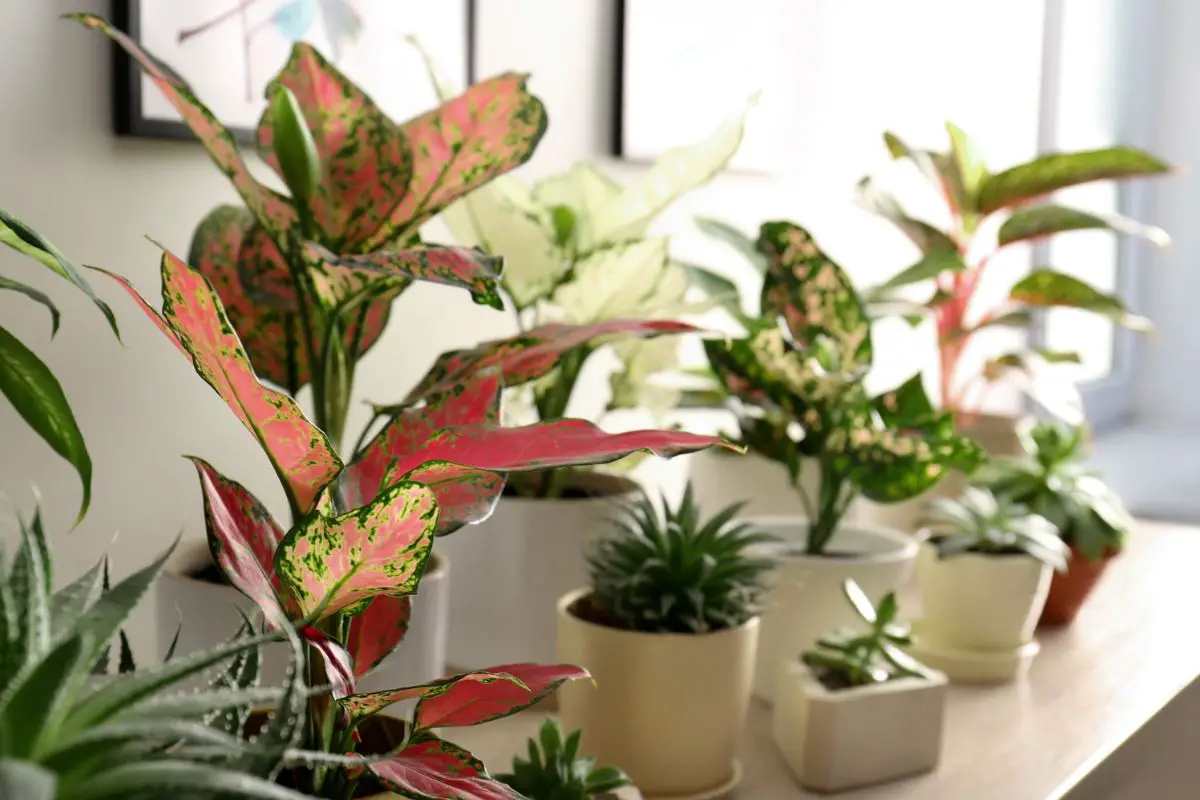
11. Chinese Evergreen (Aglaonema modestum)
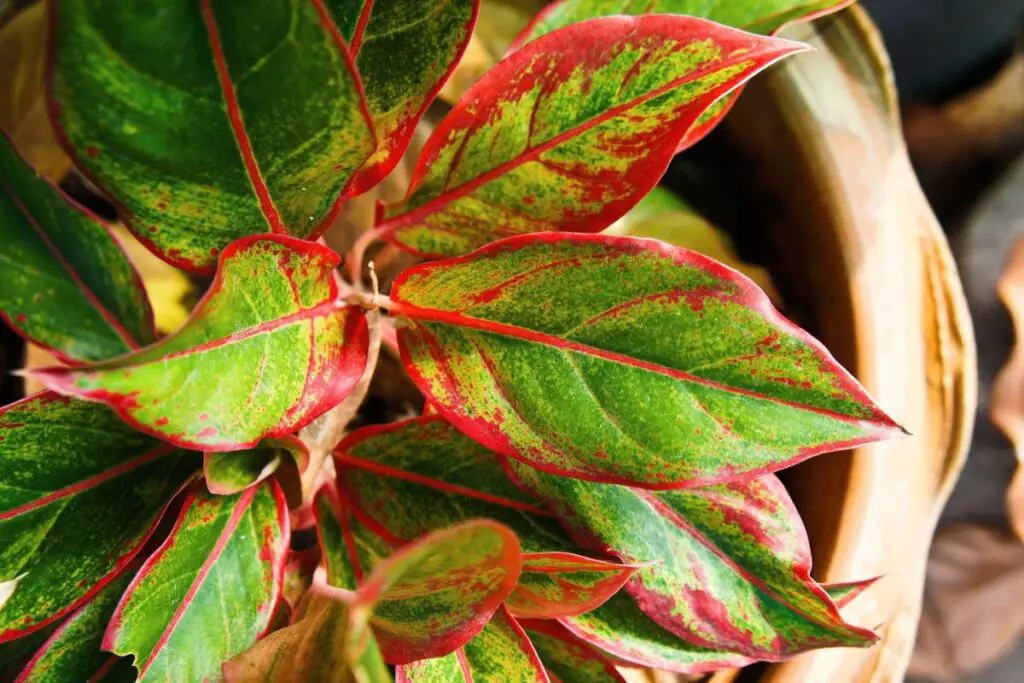
- Common Name: Chinese evergreen
- Family: Araceae
- Plant Type: Herbaceous perennial
- Native Area: Southeast Asia, China
- Height & Spread: 1-1.5 feet (0.3-0.45 m) tall and wide
- Sun Exposure: Partial to deep shade; 12 hours of bright filtered or low light
- Soil Type: Moist, well-draining, rich in organic matter (i.e., 2:1:1 potting mix, perlite, compost)
- Watering: Moderate; Allow the top 1-2 inches (2.5-5 cm) to dry out
- Toxicity: Mild
Chinese evergreens are famous for their dense, lanceolate leaves with distinct variegations. Popular varieties include the ‘Emerald beauty’ with deep green leaves and whitish V-shaped variegations, and the ‘Red Edge’ with red central veins and edges.
Plants kept in low-light spots tend to lose their variegations and revert to a solid-green form. Opt for solid or predominantly green varieties because they readily adapt to low to medium indoor lighting.
Keep the plant out of reach for young children and indoor cats or dogs because the sap on the leaves contains calcium oxalate crystals. Touching the sap can cause skin irritation. On the other hand, ingestion can cause oral irritation, hypersalivation, or vomiting.
12. Cornstalk Dracaena (Dracaena fragrans)
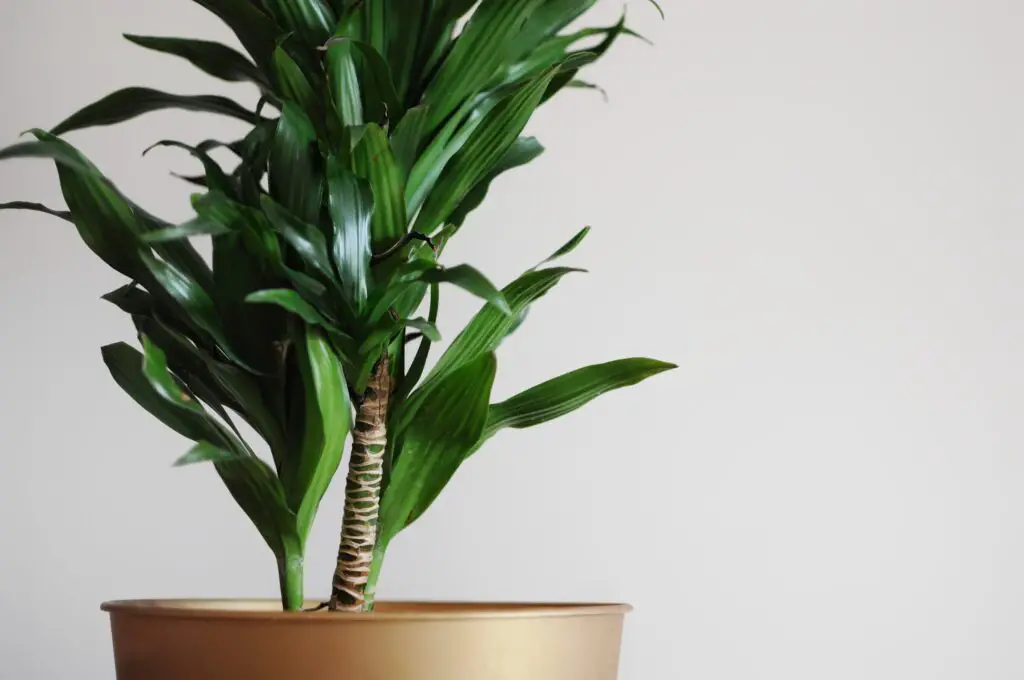
- Common Name: Cornstalk dracaena, Corn plant, Ribbon plant
- Family: Asparagaceae
- Plant Type: Evergreen shrub
- Native Area: Tropical Africa
- Height & Spread: 3-15 feet (0.9-4.5 m) tall and 1-5 feet (0.3-1.5 m) wide
- Sun Exposure: Partial to deep shade or dappled sun; 12 hours of bright filtered or low light
- Soil Type: Moist, well-draining, rich in organic matter (i.e., 2:1:1 potting mix, perlite, compost)
- Watering: Moderate; Allow the top 2 inches (5 cm) to dry out
- Toxicity: Mild
Cornstalk dracaenas are famous for their smooth, deep-green leaves with yellow or white longitudinal streaks in the middle. They also produce fragrant white or red flowers borne on long stalks that eventually arch downward.
Indoor lighting can make the variegations less pronounced and inhibit flowering. Nevertheless, you can enjoy the plant’s mini-tree-like form and lush foliage. Cornstalk dracaenas are also resilient houseplants and easy to propagate through stem cuttings.
Be careful when pruning the plant or choosing a location in your home, as the sap from the stem and leaves contains saponins. Ingestion of the sap can cause oral irritation, hypersalivation, vomiting, and abdominal pain in humans, cats, or dogs.
13. Dumb Cane (Dieffenbachia seguine)
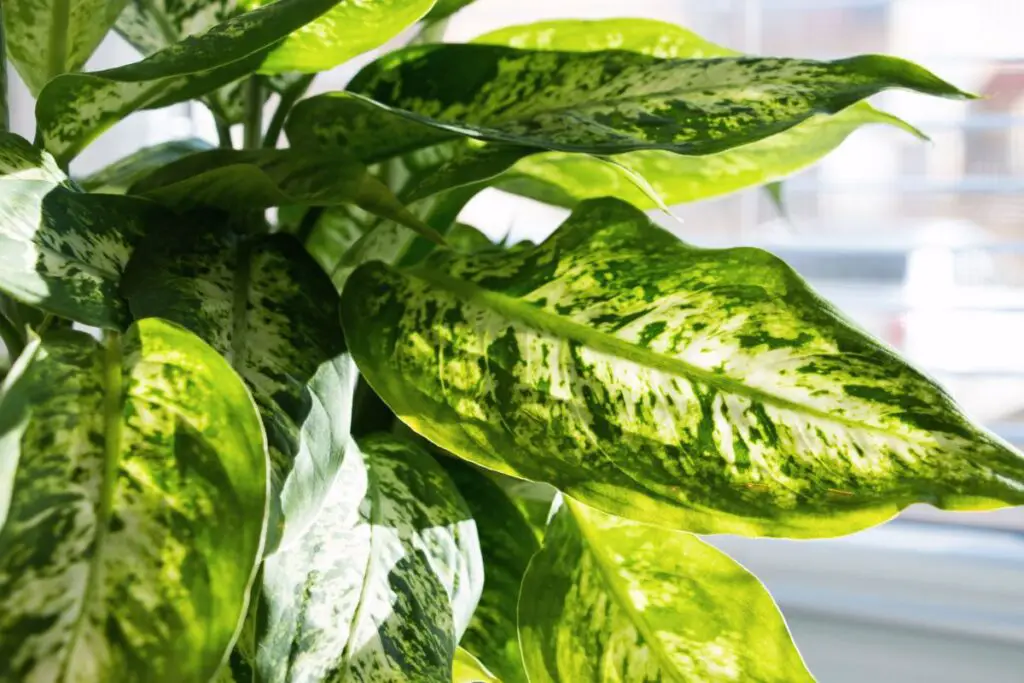
- Common Name: Dumb cane, Dieffenbachia
- Family: Araceae
- Plant Type: Evergreen shrub
- Native Area: Tropical Central and South America
- Height & Spread: 3-10 feet (0.9-3 m) tall and 2-3 feet (0.6-0.9 m) wide
- Sun Exposure: Partial shade; at least 12 hours of bright filtered or low light
- Soil Type: Moist, well-draining (i.e., 1:1:1 potting mix, perlite, compost)
- Watering: Moderate; Allow the top 2 inches (5 cm) to dry out
- Toxicity: Severe
Dumb cane has attractive leaves with marbled or brush-stroke variegations of deep green and cream/white. The paddle-shaped leaves can reach 16 inches (40 cm) long and 10 inches (25 cm) wide.
Dumb canes thrive in low to medium indoor lighting, such as near a north or northeast-facing window. However, the leaves may become predominantly green with fewer cream or white streaks.
Keep the plant inaccessible to small children or indoor cats and dogs because the sap is severely toxic. Skin contact with the sap containing calcium oxalate crystals can cause dermatitis, whereas ingestion can lead to oral irritation, vomiting, loss of appetite, and diarrhea.
14. Elephant Ear Plant (Colocasia esculenta)

- Common Name: Elephant ear plant, Taro
- Family: Araceae
- Plant Type: Tropical herbaceous perennial
- Native Area: Southeast Asia, Australia
- Height & Spread: 3-5 feet (0.9-1.5 m) tall and wide indoors
- Sun Exposure: Full sun to partial shade; at least 12 hours of filtered or low-intensity light
- Soil Type: Moist, well-draining (i.e., 2:1:1 potting mix, perlite, compost/coco peat)
- Watering: Moderate; Allow the top 1-2 inches (2.5-5 cm) to dry out
- Toxicity: Mild
Elephant ear plants (Colocasia esculenta) are famous for their large, heart-shaped leaves that can reach 3 feet (0.3 m) long and 2 feet (0.6 m) wide. They’re highly invasive plants that send out runners. It’s best to grow them in containers to control their spread.
When grown in low to medium indoor lighting, the leaves tend to be smaller, reaching only 10-18 inches (25-45 cm) long and up to 12 inches (30 cm) wide. For optimal health and growth, provide the elephant ear plant with at least 12 hours of filtered light. Alternatively, place it next to a north-facing window with an additional 6-10-hour exposure to artificial light.
The corms and leaves of elephant ear plants are edible when properly cooked. When ingested raw, the calcium oxalate crystals may be mildly toxic for humans and pets, causing itchiness in the mouth, tongue, or throat.
15. English Ivy (Hedera helix)
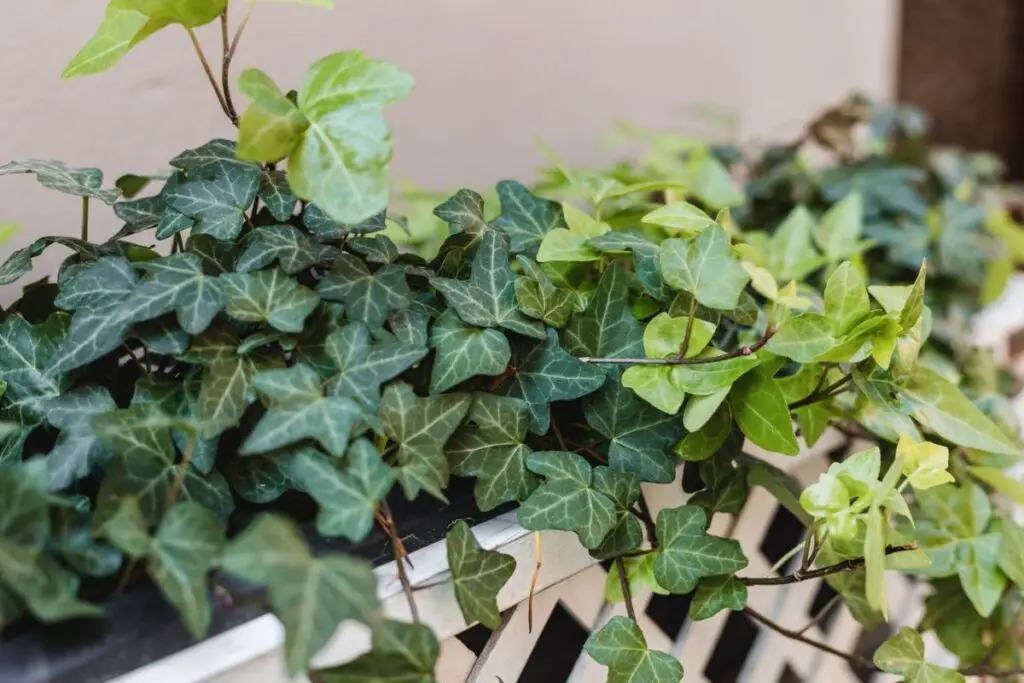
- Common Name: English ivy
- Family: Araliaceae
- Plant Type: Perennial vine
- Native Area: Europe, West Asia, North Africa
- Height & Spread: Up to 80 feet long and 50 feet wide
- Sun Exposure: Full sun to deep shade; 12 hours of bright filtered or low light
- Soil Type: Moist, well-draining, rich in organic matter (i.e., 1:1:1 potting mix, perlite, compost)
- Watering: Moderate; Allow the top 1-2 inches (2.5-5 cm) to dry out
- Toxicity: Mild
English ivy is a versatile vine that can tolerate various light and soil conditions. In a shady room with a north-facing window or purely artificial lighting, maintain warm temperatures (65-80 °F or 18-27 °C) and moderate humidity (40-60%) to keep the plant thriving.
You can grow the plant in regular pots over wall shelves or in hanging baskets for a beautiful trail of juvenile leaves with three lobes and a heart-shaped base. The low-intensity indoor lighting will help control or slow down the spread of the invasive vines and keep the leaves in attractive, juvenile form.
Keep the English ivy in a room inaccessible to young children and cats or dogs because the leaves are mildly toxic. Ingestion of the leaves can cause vomiting, hypersalivation, and diarrhea.
16. Heartleaf Philodendron (Philodendron hederaceum)

- Common Name: Heartleaf philodendron, Parlor ivy
- Family: Araceae
- Plant Type: Tropical vine
- Native Area: Tropical Central America
- Height & Spread: up to 6 feet (1.8 m) long and wide
- Sun Exposure: Partial to deep shade; 12 hours of bright filtered or low light
- Soil Type: Moist, well-draining, rich (i.e., 1:1:1 potting mix, perlite, compost)
- Watering: Moderate; Allow the top 1-2 inches (2.5-5 cm) to dry out
- Toxicity: Mild
Heartleaf philodendrons make fascinating wall decor or hanging plants with their lush, trailing vines of heart-shaped leaves. They thrive in areas that receive bright filtered sunlight or 12 hours of purely artificial light.
Water the soil when the top 1-2 inches dry out to keep the vines hydrated and vibrant. Ensure the room has moderate to high humidity (40-60%), so the plant can draw moisture through the aerial roots.
Keep the vines out of reach for kids and indoor pets because the sap can cause itchy rashes upon contact with human skin. Ingestion of the calcium oxalate crystals from the leaves can also cause oral irritation, drooling, and vomiting in humans and pets.
17. Lucky Bamboo (Dracaena sanderiana)
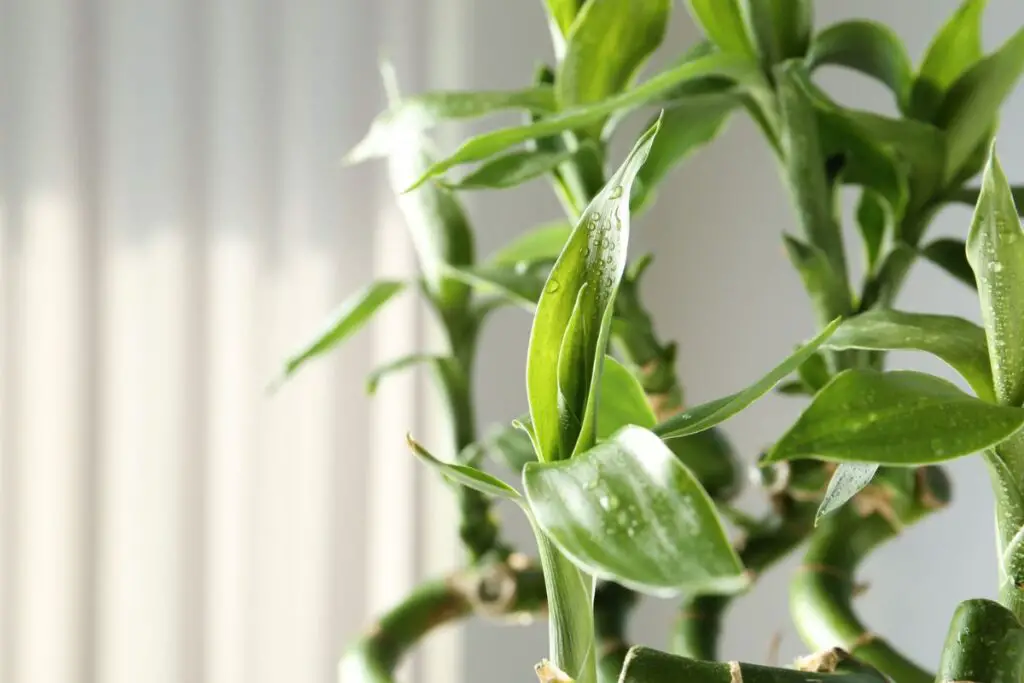
- Common Name: Lucky bamboo, Chinese water bamboo
- Family: Asparagaceae
- Plant Type: Tropical perennial shrub
- Native Area: West Africa
- Height & Spread: 3-5 feet (0.9-1.5 m) tall and wide
- Sun Exposure: Dappled sun to deep shade; 12 hours of bright filtered or low light
- Soil Type: Moist, well-draining, rich (i.e., 1:1:1 coco peat, perlite, and compost)
- Watering: Moderate; Allow the top 2 inches (5 cm) to dry out
- Toxicity: Mild
Lucky bamboo is an auspicious plant believed to bring good fortune and happiness. It’s easy to care for, resilient, and pretty versatile with its lighting and potting conditions.
You can plant lucky bamboo in a soilless mix of equal parts coco peat, perlite, and compost. Alternatively, you can grow them in a clear jar with pebbles and water for a more aesthetic and zen vibe.
Be careful when handling or pruning the plant, as the saponins can cause rashes on human skin. On the other hand, the leaves can cause drooling, vomiting, and loss of appetite in cats and dogs.
18. Money Tree (Pachira aquatica)
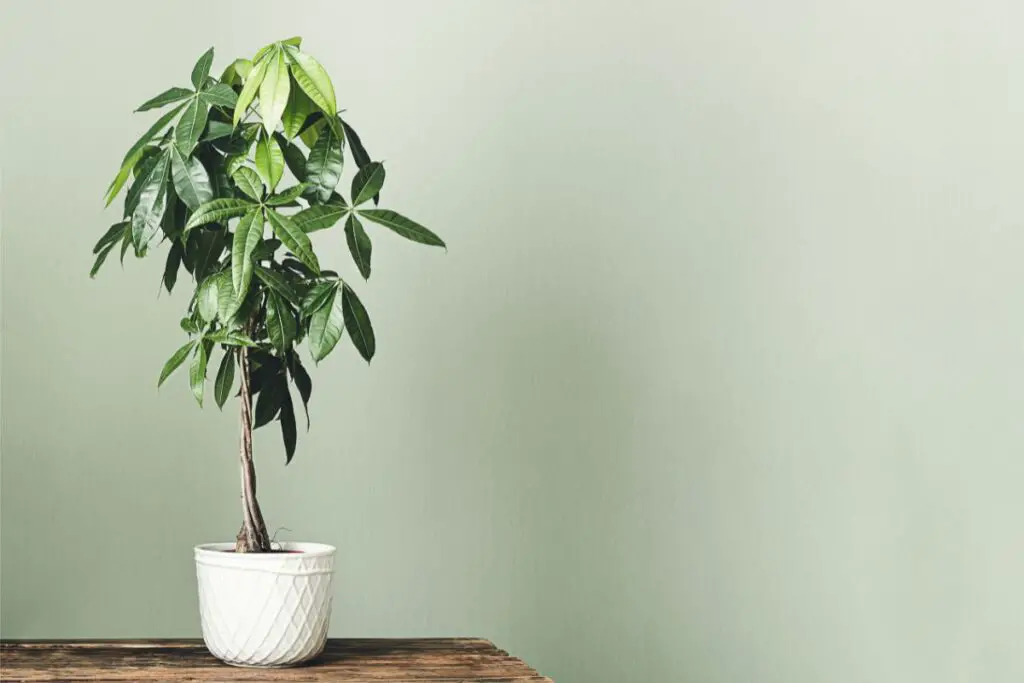
- Common Name: Money tree, Malabar chestnut, Guiana chestnut, Fortune plant
- Family: Malvaceae
- Plant Type: Tropical tree
- Native Area: Tropical Central and South America
- Height & Spread: 3-8 feet (0.9-2.4 m) tall and 2-4 feet (0.6-1.2 m) wide indoors
- Sun Exposure: Full sun to partial shade; 12 hours of bright filtered or low light
- Soil Type: Moist, well-draining, rich (i.e., 1:1:1 coco peat, perlite, compost)
- Watering: Moderate; Allow the top 1-2 inches (2.5-5 cm) to dry out
- Toxicity: Non-toxic
Money tree is another auspicious plant believed to bring good fortune and positive energy, making it an ideal gift for newly opened homes and offices. It is easy to care for and adaptable to common indoor conditions.
Low to medium indoor lighting can slow a money tree’s growth, giving you a small, manageable plant. Ensure the plant receives some natural light (i.e., from a north-facing window), and supplement with artificial lighting for at least 12 hours of daylight to prevent legginess and sparse leaves.
You can explore different potting or design ideas because money trees are aesthetically versatile. Group a few saplings together in a wide shallow container for a miniature forest, or braid 3-4 saplings together for an eye-catching houseplant.
19. Monstera (Monstera deliciosa)

- Common Name: Monstera, Swiss cheese plant, Split-leaf philodendron
- Family: Araceae
- Plant Type: Tropical epiphyte
- Native Area:
- Height & Spread: Up to 10 feet (3 m) long/tall indoors
- Sun Exposure: Dappled sun or partial shade; 12 hours of bright filtered or low light
- Soil Type: Moist, well-draining, rich (i.e., 2:1:1 potting mix, perlite, compost)
- Watering: Moderate; Allow the top 2 inches (5 cm) of the soil to dry out
- Toxicity: Mild
Monstera is famous for its large, fenestrated leaves and climbing nature that can give any home a vibrant, jungle vibe. The leaves require bright, indirect or filtered light and climbing spots (i.e., wall, pole, or trellis) to develop the characteristic holes.
Monsteras will continue to grow in low to medium indoor lighting, but the leaves remain in their small, juvenile form. The leaves reach only up to 8 inches (20 cm) long and wide, heart-shaped, and deep green. In contrast, brighter light can lead to leaves over 1 foot (30 cm) long and wide with large holes or slits.
As an aroid (Araceae family), monstera leaves are also mildly toxic to cats and dogs when ingested, so keep the plant inaccessible to indoor pets. Be careful when handling or pruning the plant to prevent contact dermatitis.
20. Nerve Plant (Fittonia albivenis)
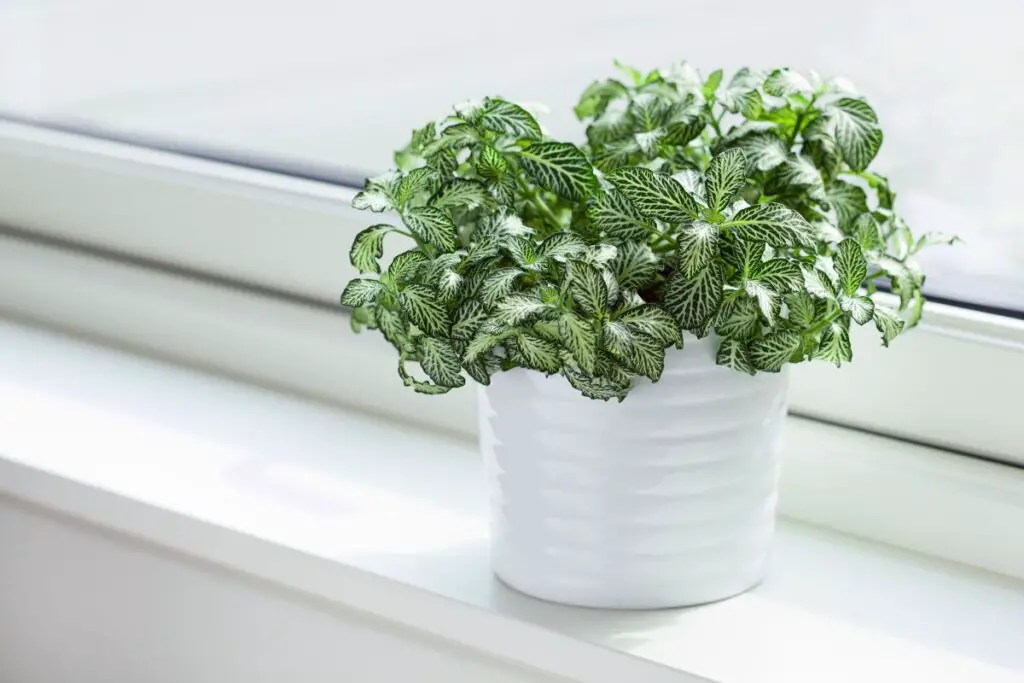
- Common Name: Nerve plant, Jewel plant, Silver nerve
- Family: Acanthaceae
- Plant Type: Herbaceous perennial
- Native Area: Tropical South America
- Height & Spread: 3-8 inches (7.6-20 cm) tall and 6-12 inches (15-30 cm) wide
- Sun Exposure: Partial to deep shade; 12 hours of low light
- Soil Type: Moist, well-draining
- Watering: Moderate; Allow the top inch (2.5 cm) to dry out
- Toxicity: Non-toxic
Nerve plants are attractive, compact foliage plants you can keep in tiny pots over desktops or center tables in a north-facing room or windowless office. They do well with low natural or artificial lighting.
The deep-green leaves of nerve plants have an intricate network of pink or silver veins reminiscent of nerve endings—hence the plant’s name. You can maintain the vibrant colors with adequate lighting, so keep the intensity above 100 ft c, which is also required for optimal health and longevity.
Nerve plants are also non-toxic, making them perfect for indoor gardeners with feline or canine companions.
21. Parlor Palm (Chamaedorea elegans)
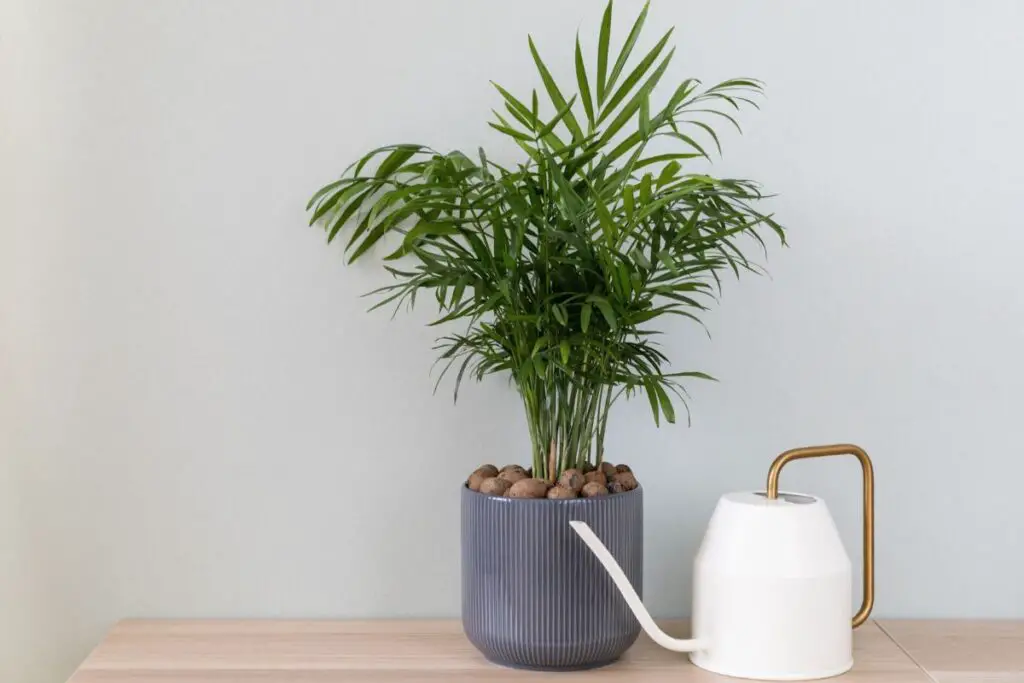
- Common Name: Parlor palm, Neanthe bella palm
- Family: Arecaceae
- Plant Type: Tropical palm tree or shrub
- Native Area: Central America, Mexico
- Height & Spread: 3-5 feet (0.9-1.5 m) tall and 2-3 (0.6-0.9 m) feet wide
- Sun Exposure: Partial to deep shade; 12 hours of bright filtered or low light
- Soil Type: Moist, well-draining, rich (i.e., 6:3:1 standard potting mix, coco peat, perlite)
- Watering: Slightly drought-tolerant; Allow the top 2 inches (5 cm) to dry out
- Toxicity: Non-toxic
Parlor palm is a non-clumping, single-trunked palm tree that grows best in humid and shady areas. As an indoor plant, it is suitable for spaces with limited natural light, allowing it to grow slowly and remain compact.
Maintain moderate humidity (around 50%) and warm, draft-free temperatures (65-80 °F or 18-27 °C) to keep the parlor palm healthy with lush, green foliage.
Established parlor palms are slightly drought-tolerant, so be careful not to overwater when keeping them in low light. Wait until the soil is dry two knuckles deep between waterings.
22. Peace Lily (Spathiphyllum spp.)

- Common Name: Peace lily, Spathe flower
- Family: Araceae
- Plant Type: Herbaceous perennial
- Native Area: Tropical South America (Venezuela and Colombia)
- Height & Spread: 1-4 feet (0.3-1.2 m) tall and wide
- Sun Exposure: Partial to deep shade; 12 hours of bright filtered light or 16 hours of low light for flowers
- Soil Type: Moist, well-draining, rich (i.e., 1:1:1 potting mix, perlite, compost)
- Watering: Moderate; Allow the top 2-3 inches (5-7.6 cm) to dry out
- Toxicity: Medium
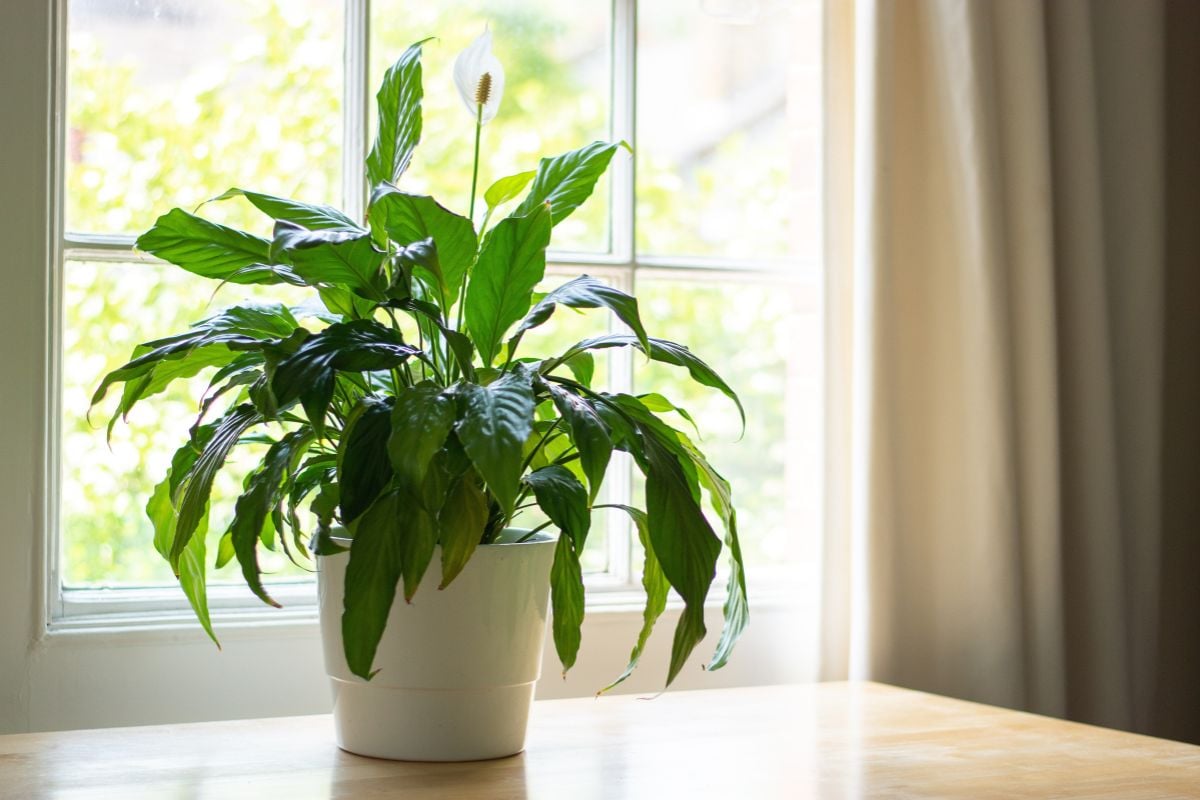
Peace lilies are flowering plants that thrive in low to medium indoor lighting. Popular varieties like ‘Wallisii’ and ‘Little Angel’ produce flowers readily under 16 hours of daylight (low-intensity natural and artificial).
Peace lily flowers consist of a yellow spadix cupped by a white, spoon-shaped spathe on long stalks. Before the flowers come out, you can enjoy the glossy, deep-green leaves that also double as an air purifier.
Keep peace lilies away from children and indoor pets, as the ingestion of the calcium oxalate crystals in the leaves and flowers can cause a burning sensation in the mouth, drooling, and vomiting.
23. Peacock Plant (Goeppertia or Calathea makoyana)

- Common Name: Peacock plant, Cathedral windows
- Family: Marantaceae
- Plant Type: Herbaceous perennial
- Native Area: Eastern Brazil
- Height & Spread: 1-2 feet (0.3-0.6 m) tall and up to 1 foot (0.3 m) wide
- Sun Exposure: Partial to deep shade; 12 hours of low light
- Soil Type: Moist, well-draining, rich (i.e., 1:1:1 coco peat, perlite, compost)
- Watering: Moisture-loving; Allow the top inch (2.5 cm) to dry out
- Toxicity: Non-toxic
Peacock plant, also known as cathedral windows, is aptly named because of the vividly colored leaves on reddish petioles. The leaf underside has purplish markings, whereas the upper surface has V-shaped, deep green and cream striations with irregular green splotches.
Peacock plants retain their unique coloration even in low indoor lighting. Be sure to provide them with moderate humidity (40-60%), warm temperatures (65-80 °F or 18-27 °C), and constantly moist soil for optimal growth.
Reduce the watering frequency in the fall and winter by allowing the top 2 inches (5 cm) of the soil to dry out between waterings. This will help prevent overwatering problems during cooler and darker months.
24. Pothos (Epipremnum spp.)
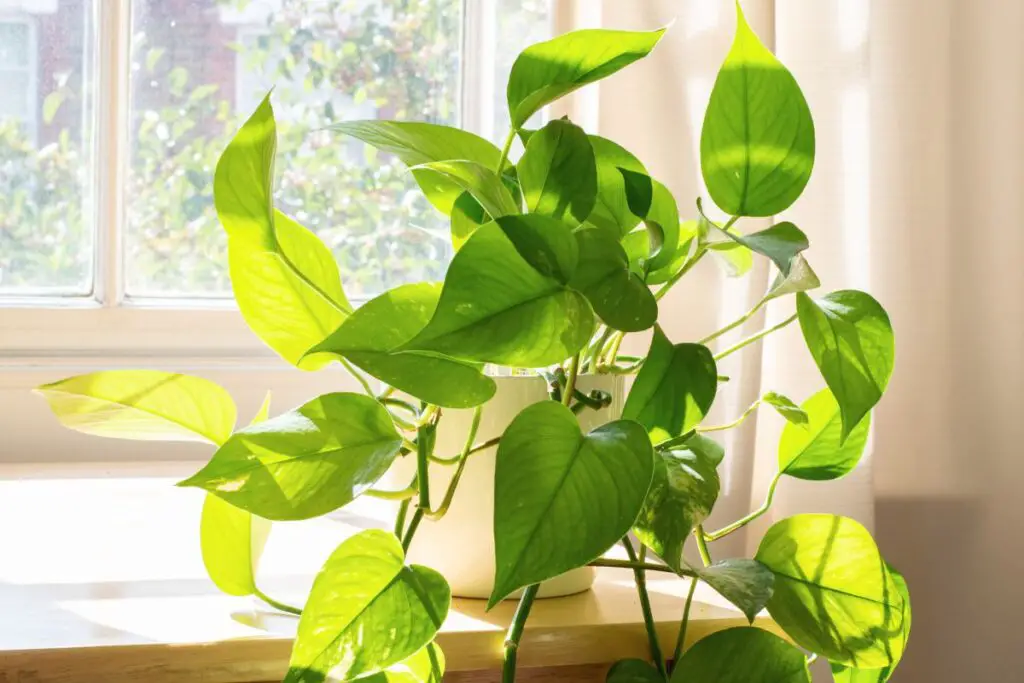
- Common Name: Pothos, Devil’s ivy, Golden pothos
- Family: Araceae
- Plant Type: Tropical evergreen vine
- Native Area: Southeast Asia, Oceania (Solomon Islands and French Polynesia)
- Height & Spread: Up to 10 feet (3 m) long indoors
- Sun Exposure: Partial shade; 12 hours of bright filtered or low light
- Soil Type: Moist, well-draining
- Watering: Moderate; Allow the top 1-2 inches (2.5-5 cm) to dry out
- Toxicity: Medium
Pothos is a popular indoor plant because of its attractive, heart-shaped, waxy leaves on grooved petioles. The most common species, Epipremnum aureum or golden pothos, develops yellowish brush-stroke variegations in bright indirect light.
Although pothos vines continue to grow at low indoor light levels, the size and number of variegations may decrease. The leaves also remain small at only 3-6 inches (7.6-15 cm) long.
Pothos leaves contain calcium oxalate crystals that cause contact dermatitis in humans. Cats and dogs are also vulnerable to the sap, and ingestion of the leaves and stems can lead to drooling, vomiting, and lethargy.
25. Prayer Plant (Maranta leuconeura)
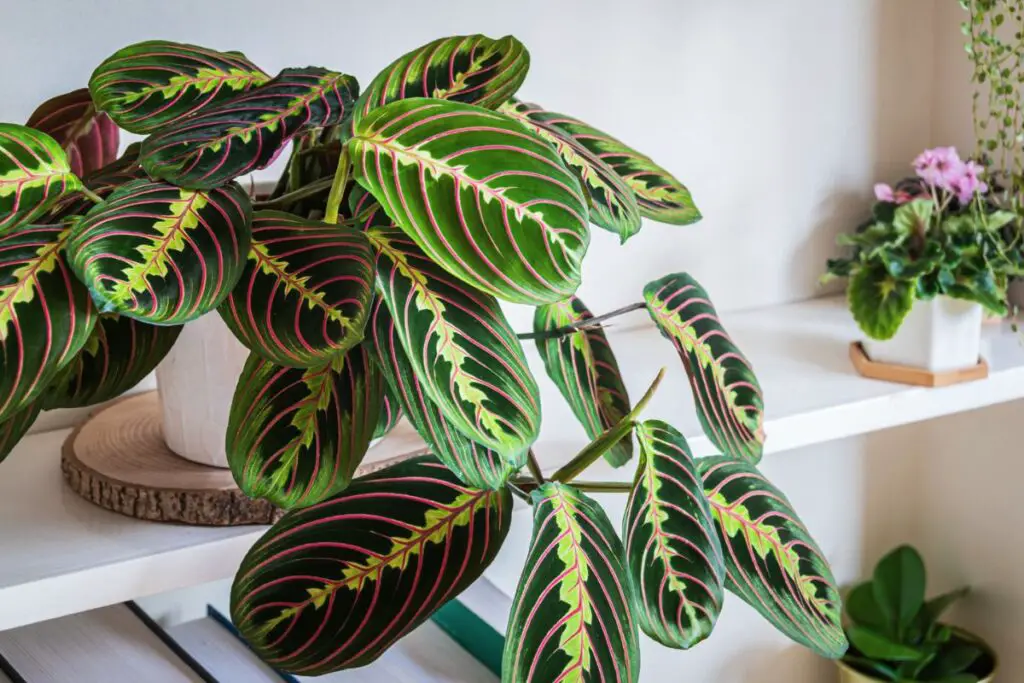
- Common Name: Prayer plant, Cathedral windows
- Family: Marantaceae
- Plant Type: Herbaceous perennial
- Native Area: Tropical Central and South America, Brazil
- Height & Spread: 1-1.5 feet (0.3-0.45 m) long and wide
- Sun Exposure: Partial sun to partial shade; 12 hours of low light
- Soil Type: Moist, well-draining, rich (i.e., 1:1:1 coco peat, perlite, compost)
- Watering: Moisture-loving; Allow the top inch (2.5 cm) to dry out
- Toxicity: Non-toxic
Maranta species are a close relative of Goeppertia species (previously Calathea) and share similar vibrant colorations, hence the name cathedral windows. They also share similar environmental and care requirements.
Maranta plants have deep green leaves with pink veins and splotches of cream or yellow. They’re commonly known as prayer plants because the leaves fold as though in prayer in the dark and open at daylight.
Keep prayer plants in low but sufficient indoor lighting (12 hours), as intense sunlight can bleach or scorch the leaves and damage the vibrant color patterns.
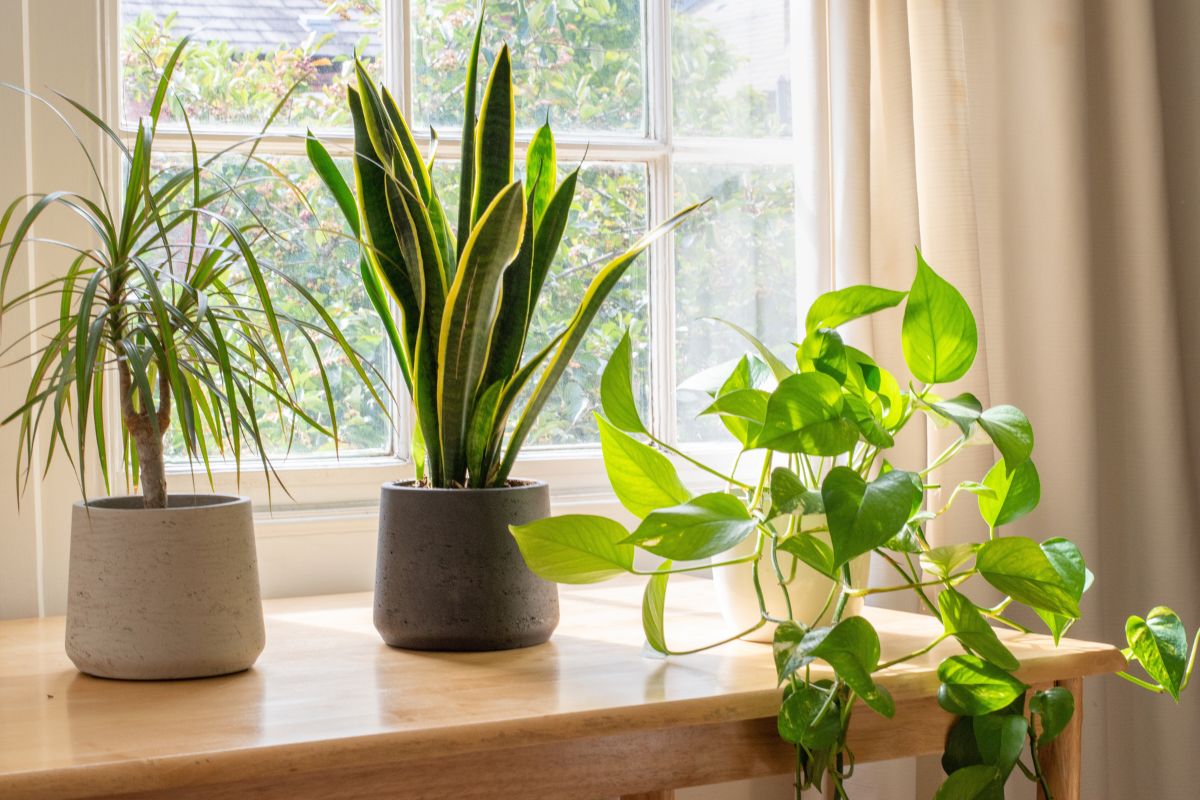
26. Snake Plant (Dracaena trifasciata)
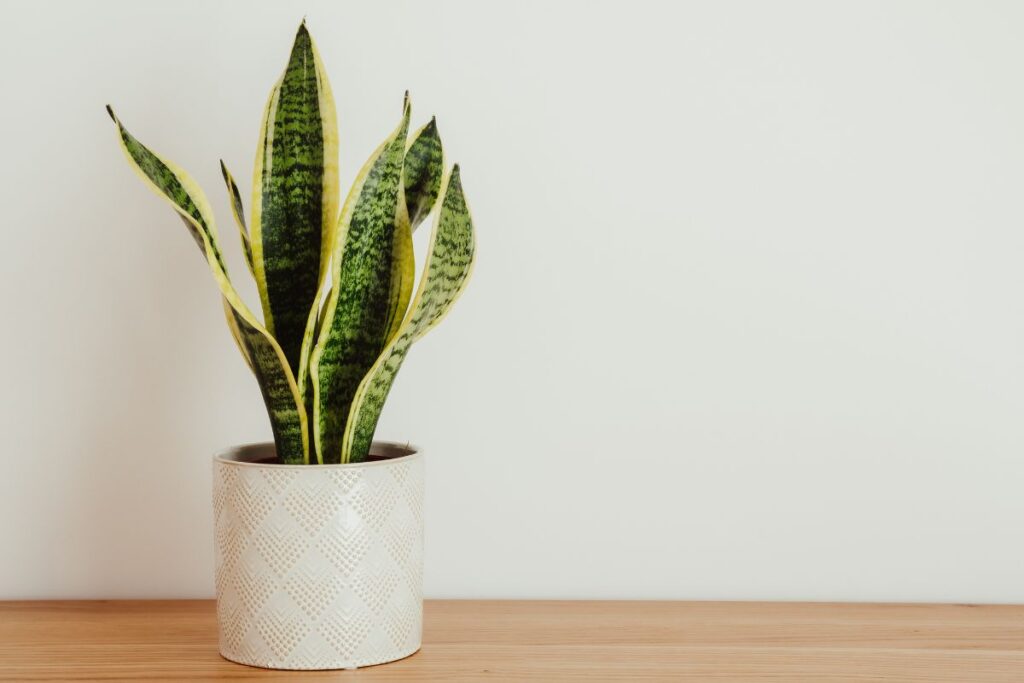
- Common Name: Snake plant, Mother-in-law’s tongue
- Family: Asparagaceae
- Plant Type: Succulent
- Native Area: Tropical West Africa, South Asia
- Height & Spread: 1-5 feet (0.3-1.5 m) tall and 6-12 inches (15-30 cm) wide
- Sun Exposure: Full sun to partial shade: at least 12 hours of bright filtered or low light
- Soil Type: loose, well-draining (i.e., cactus mix or 1:1 compost-perlite mix)
- Watering: Drought-tolerant; Allow the top half of the pot to dry out
- Toxicity: Mild
Snake plants are one of the most resilient and low-maintenance houseplants you can grow in an indoor space with low natural light.
At low light, snake plants grow slowly and may have less pronounced variegations. Popular varieties like ‘Hahnii’, ‘Robusta’, and ‘Emerald Star’ do great at 8 hours of low natural light or 10-14 hours of artificial light.
Insufficient light can cause the leaves to appear thin and leggy. Be careful when pruning the leaves, as the saponins can cause itchy rashes upon skin contact. Keep the plant away from curious pets, as sap ingestion can cause vomiting and/or diarrhea.
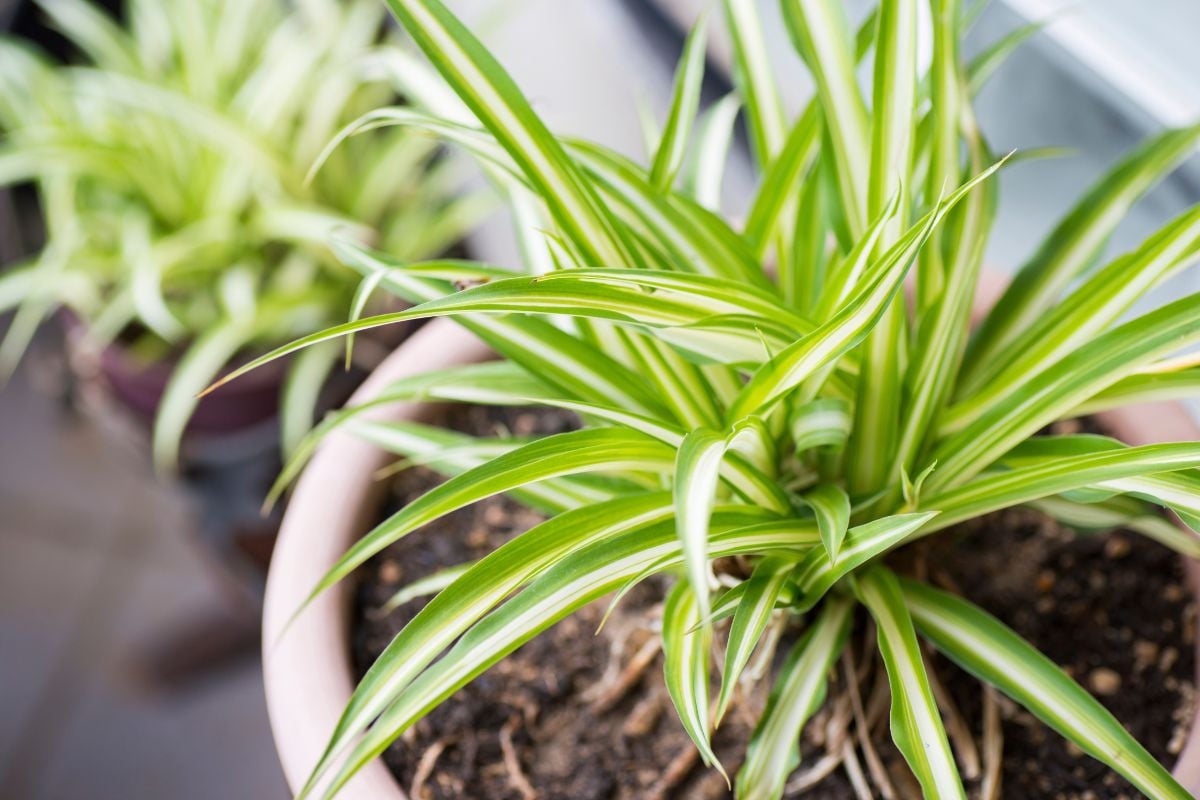
27. Spider Plant (Chlorophytum comosum)

- Common Name: Spider plant, Ribbon plant, Green shamrock
- Family: Asparagaceae
- Plant Type: Herbaceous perennial
- Native Area: Tropical regions of coastal South Africa
- Height & Spread: 1-1.5 feet (0.3-0.45 m) tall and 1-2 feet (0.3-0.6 m) wide
- Sun Exposure: Partial to deep shade; 12 hours of bright filtered or low light
- Soil Type: Loose, well-draining, rich (i.e., 1:1 potting mix and perlite)
- Watering: Drought-tolerant; Allow the top half of the pot to dry out
- Toxicity: Non-toxic
Spider plants are perfect houseplants for small indoor spaces with low natural light. The classic solid-green spider plant remains compact and thrives even with only artificial light for 12-16 hours.
Spider plants are also non-toxic, making them perfect for homes with pet cats and dogs. You may plant them in hanging baskets to keep pets off the foliage and prevent long-term damage to the plant.
Use a loose, well-aerated substrate and allow the soil to dry out between waterings to keep the plant healthy. Proper care will encourage the spider plant to produce babies or spiderettes (albeit more slowly compared to plants in brighter light).
28. Tree Philodendron (Thaumatophyllum or Philodendron bipinnatifidum)
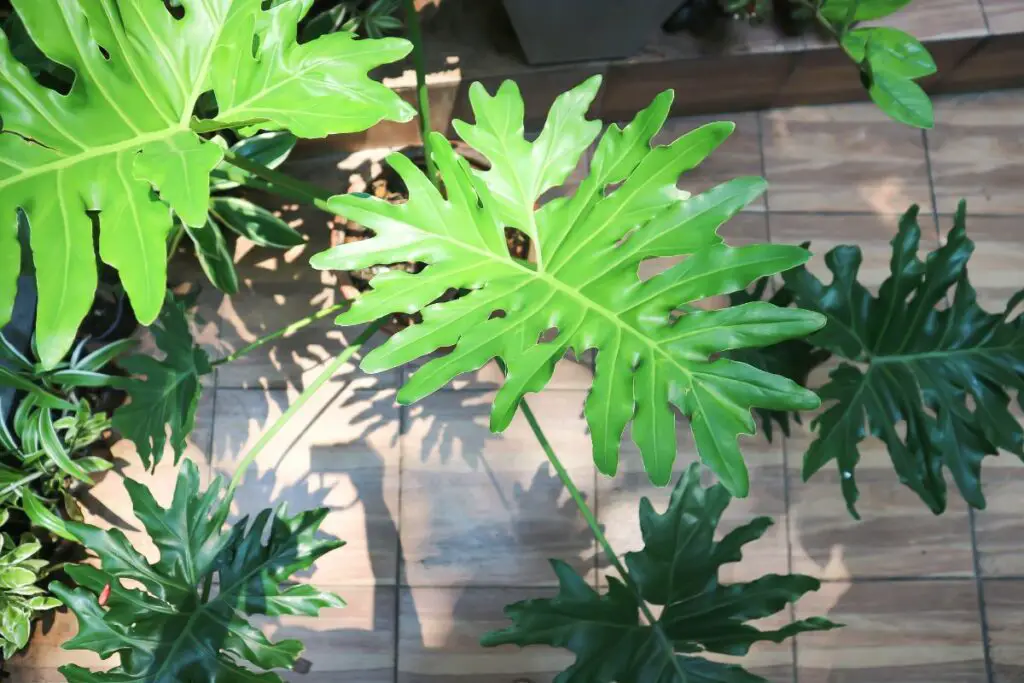
- Common Name: Tree philodendron
- Family: Araceae
- Plant Type: Evergreen shrub
- Native Area: South America
- Height & Spread: 3-10 feet (0.9-3 m) tall and wide
- Sun Exposure: Partial sun to partial shade; 12 hours of bright filtered or low light
- Soil Type: Moist, well-draining, rich (i.e., 1:1:1 coco peat, perlite, compost)
- Watering: Moderate; Allow the top 2 inches (5 cm) to dry out
- Toxicity: Mild
Tree philodendrons have large, deeply lobed leaves that can reach three feet (0.9 m) long and give your indoor space an enchanting jungle vibe. They can tolerate low to medium lighting, providing you with flexible options regarding placement.
I place my tree philodendron next to a bare, shady corner to enliven the space. The walls are white to reflect the light from the north-facing window and/or fluorescent lamps and ensure the large leaves receive sufficient light for at least 12 hours daily.
Maintain moderate humidity (around 50%) to prevent brown leaf tips and water the plant regularly to keep the foliage well-hydrated. Keep the plant inaccessible to indoor pets because the plant sap is toxic and causes oral irritation and vomiting when ingested.
29. Wax Plant (Hoya carnosa)
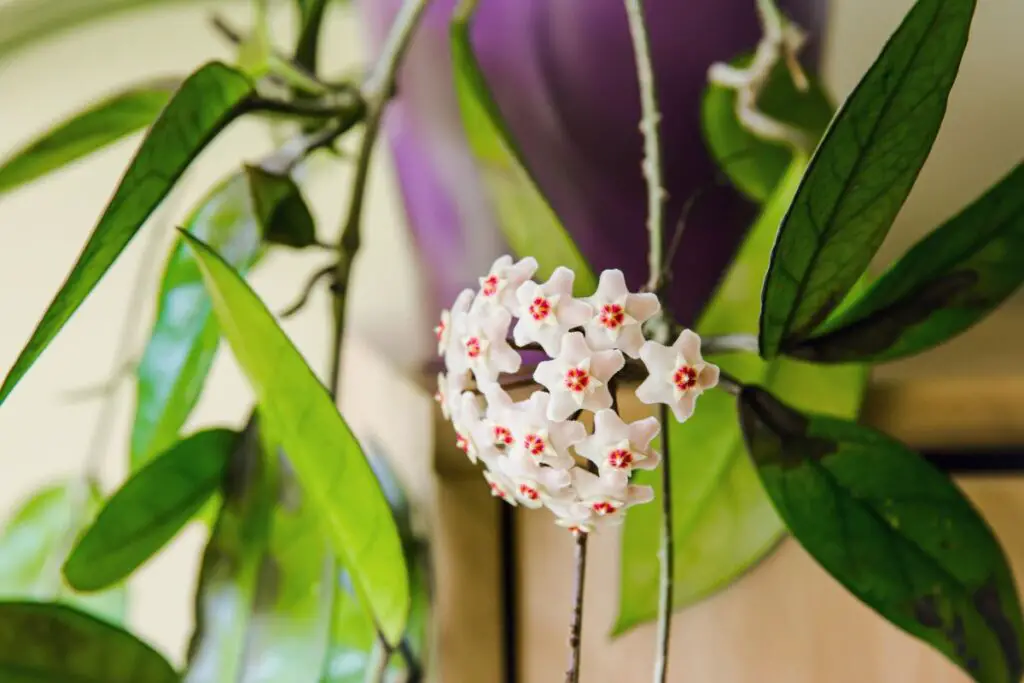
- Common Name: Wax plant, Porcelain flowers
- Family: Asclepiadaceae
- Plant Type: Epiphytic vine
- Native Area: Southeast Asia, Japan, Taiwan
- Height & Spread: 4-10 feet (1.2-3 m) long and 2-6 feet (0.6-1.8 m) wide
- Sun Exposure: Partial sun to deep shade; 12 hours of bright filtered or 16 hours of low light for flowers
- Soil Type: Loose, well-draining, rich (i.e., 1:1:1 orchid bark or coco coir, perlite, compost)
- Watering: Drought-tolerant; Allow the top 2-3 inches (5-7.6 cm) to dry out
- Toxicity: Non-toxic
Wax plants are beginner-friendly houseplants that thrive in low-light areas with minimal care. I place my wax plants in hanging baskets near a north-facing window and let the vines trail freely.
At low light conditions, wax plants take over 3 years to start forming flowers. You can enjoy the waxy, deep green, or variegated leaves while waiting for the plant to mature. When the plant reaches maturity, you can enjoy the clusters of white and red waxy flowers up to 3.5 inches (9 cm) in diameter.
Grow the vines in an airy substrate using orchid bark or coco coir amended with perlite and compost to let the shallow roots breathe. Maintain moderate humidity (around 50%) to allow the aerial roots to draw moisture from the air and keep the waxy leaves vibrant.
30. ZZ Plant (Zamioculcas zamiifolia)
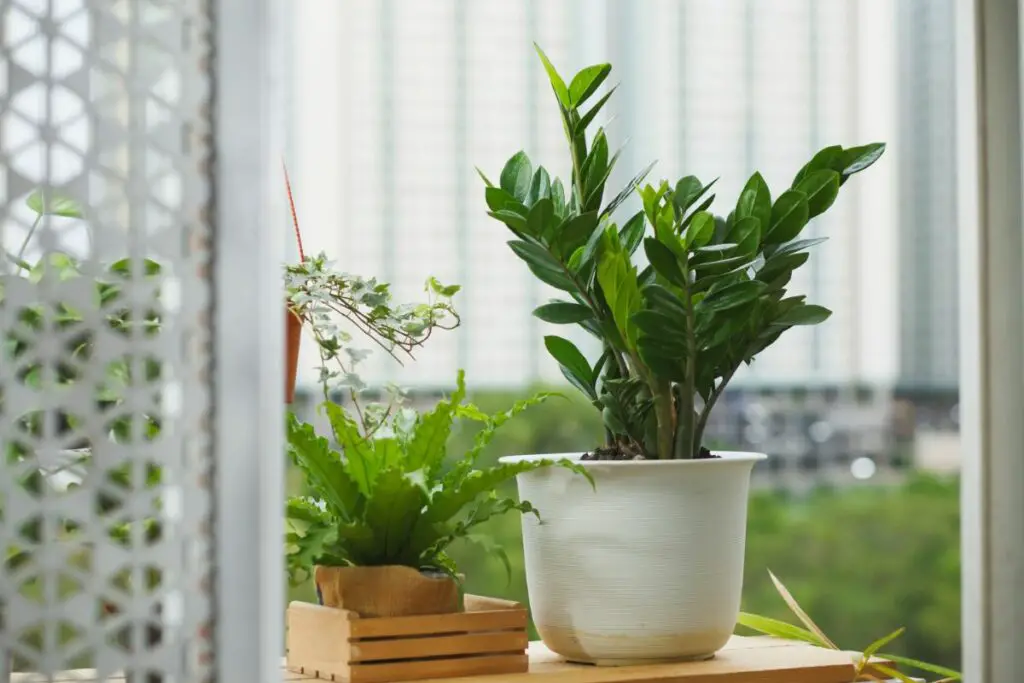
- Common Name: ZZ plant, Zeezee plant, Zanzibar gem
- Family: Araceae
- Plant Type: Herbaceous perennial
- Native Area: East and South Africa
- Height & Spread: 2-4 feet (0.6-1.2 m) tall and wide
- Sun Exposure: Partial to deep shade; 12 hours of bright filtered or low light
- Soil Type: Loose, well-draining (i.e., 1:1 compost and perlite)
- Watering: Drought-tolerant; Allow the top half of the soil to dry out
- Toxicity: Non-toxic
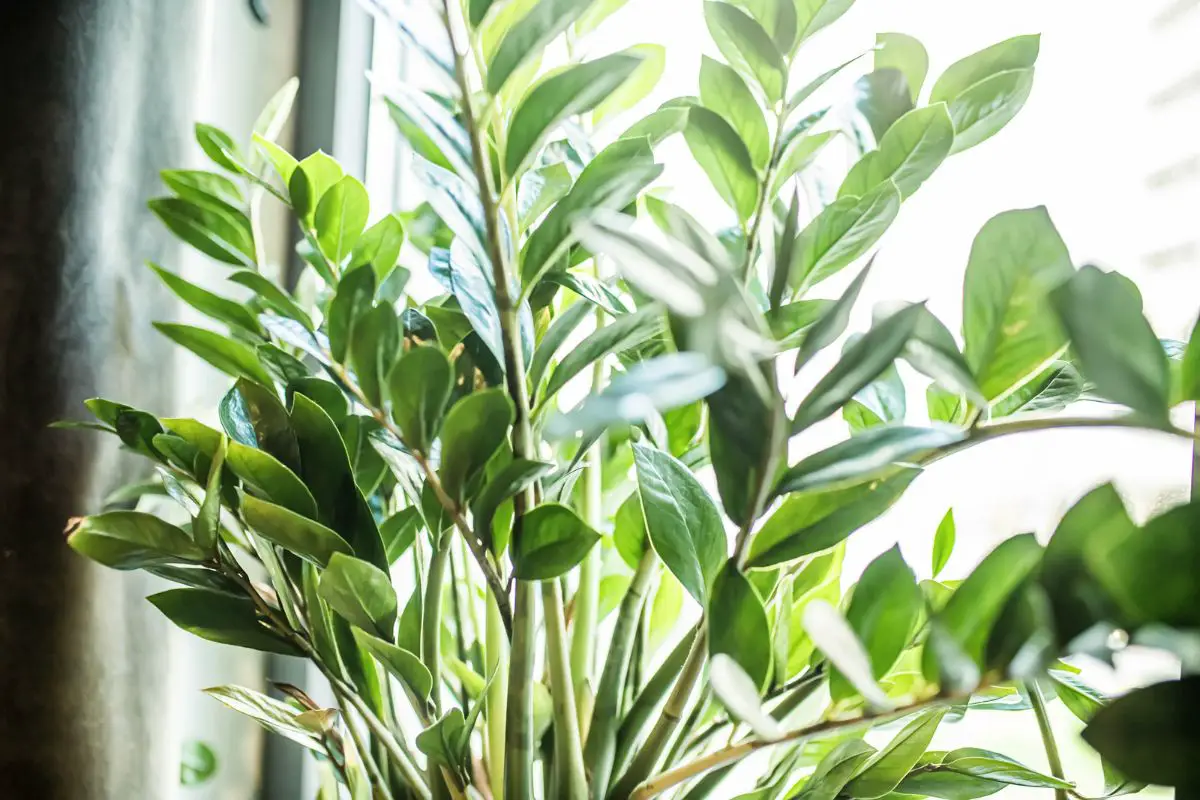
ZZ plants are sturdy houseplants that require minimal care. The glossy green leaves are easy to maintain with draft-free indoor temperatures, moderate humidity, infrequent watering, and low to medium light.
If kept in a shady spot, ensure ZZ plants receive at least 12 hours of low natural and artificial light to prevent leggy stalks and sparse leaves. Insufficient light can also lead to pale or yellow leaves and stunted growth.
ZZ plants are drought-tolerant as they can store moisture in the rhizomes and stalks. Be careful not to overwater plants growing in low light because the excess moisture can cause the fleshy rhizomes to rot and potentially kill the plant.
Final Thoughts
The houseplants listed in the article generally tolerate low light and may even produce flowers. A thriving indoor garden depends on understanding how reduced lighting affects other care routines, such as watering and feeding.
Remember the following tips to optimize the care and environment for houseplants growing in low-light areas:
- Ensure foliage houseplants receive at least 12 hours of low light (natural and artificial)—14-16 hours for flowering houseplants.
- Monitor the soil moisture and water only when the top 1-3 inches (2.5-7.6 cm) of the soil is completely dry. Overwatering is a common problem because plants respire or metabolize less in low light.
- Maintain warm temperatures (65-80 °F or 18-27 °C) and moderate humidity (30-50%) to encourage healthy plant metabolism even in low light.
- Ensure the plants receive 8 uninterrupted hours of darkness for dark-dependent activities.
- Rotate the pot regularly to ensure even light access across all leaves and prevent legginess or stunting.
- Fertilize the plant only during the warm seasons (spring and summer) to kickstart growth since low light intensity is typically not enough stimulus to awaken plants in semi-dormant or dormant mode.
Begin your low-light houseplant journey with one or two plants from this list. Follow the care tips discussed as a start and adjust based on your plant’s response. Learn your plant’s needs and grow your collection as you build confidence.