
16 Common Problems With Snake Plants (and How to Fix Them)
Snake plants, also known as Dracaena trifasciata (formerly Sansevieria), are beloved for their sculptural leaves and low-maintenance nature. Often hailed as indestructible, they’re still susceptible to several issues, especially when basic care is overlooked.
Here are the common problems with snake plants:
- Yellowing leaves
- Mushy or soft leaves
- Brown and mushy roots (root rot)
- Wrinkled leaves
- Brown leaf tips or edges
- Leaves curling inward or twisting
- Pale or bleached leaves
- Loss of variegation
- Droopy, floppy, or wilting leaves
- Stretched, deformed, or narrow leaves
- Slow or stunted growth
- Leaf scarring or splitting
- Pest infestation
- Brown or black spots
- Mold or fuzzy growth on soil
- Flowering (absence or unexpected)
This article highlights the most common problems affecting snake plants, along with actionable solutions. Even hardy plants need the right environment and consistency.
Snake Plants: An Overview
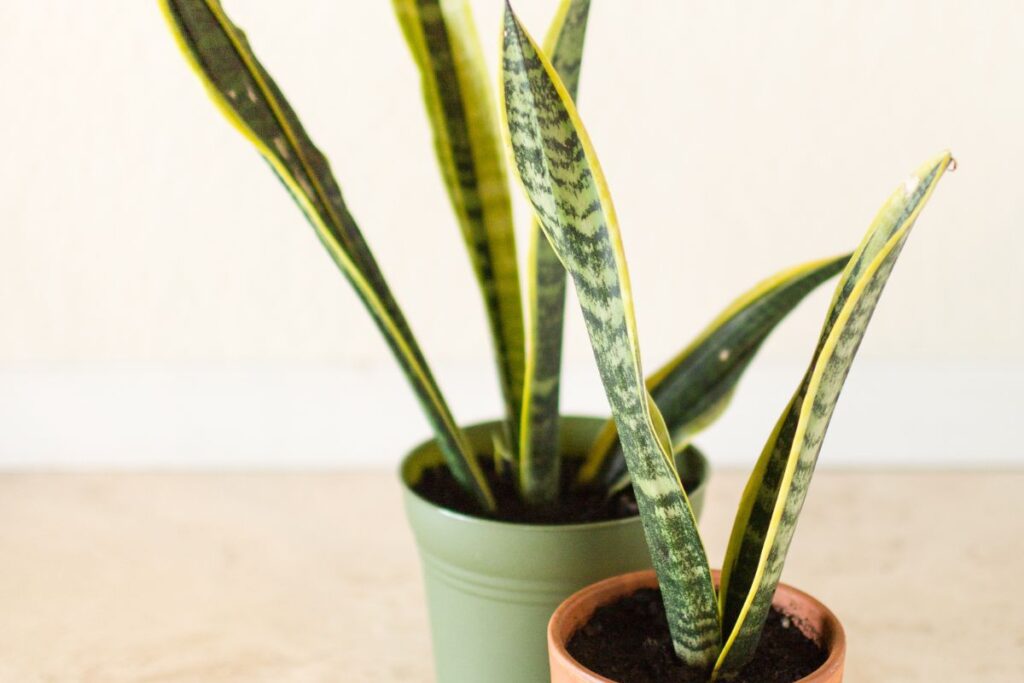
Snake plants (Dracaena trifasciata) are resilient succulents that thrive in tropical and desert conditions. They come from West Africa and South Asia, entered the U.S. market in the early 20th century, and have since become one of the most popular houseplants.
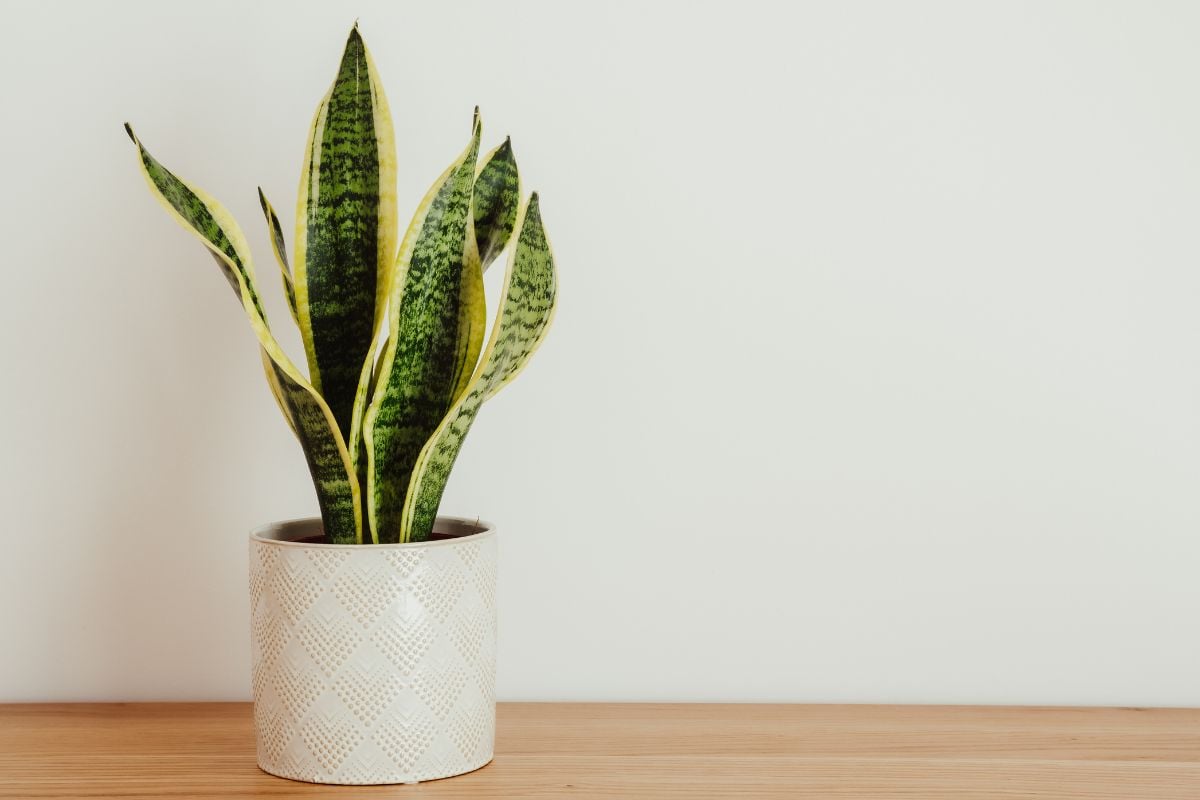
Snake plants are renowned for their thick, sword-like foliage, featuring various patterns of light to dark green bands and yellow or cream margins.
Our study of the most popular houseplants (based on online searches) shows that snake plants are also the most widely searched species, indicating a significant interest in these attractive plants.
In addition to their aesthetic value, snake plants also have easy care requirements, which include the following:
- Light: Snake plants can tolerate low to bright light conditions, so they can sit next to any window or up to 8 feet (2.4 m) away from a bright east, south, or west-facing window.
- Water: Allow the soil to dry 2 inches (5 cm) or halfway down before a thorough watering. This translates to every 2 weeks in spring and summer when using a standard succulent mix or a compost-perlite mix in a pot with drainage holes. Reduce watering frequency to every 4-6 weeks during colder and darker months in late fall and winter.
- Temperature and humidity: Maintain stable temperatures (65-85 °F or 18-29 °C) and humidity (30-50%). Avoid cold drafts or sudden dips below 55 °F (13 °C).
- Fertilizer: Feed only once a year in spring with a balanced 10-10-10 granular fertilizer or compost. Water the plant regularly when using granular fertilizer for proper nutrient absorption and to prevent salt buildup in the soil.
- Repotting: Due to their slow-growing nature, snake plants require infrequent repotting (every 3-5 years) when planted in a container 2 inches (5 cm) wider and deeper than the rootball.
- Pruning and maintenance: Cut aging (yellowing) or damaged leaves down to the base only as needed to maintain the plant’s vibrant appearance. Wipe the leaves once a month to remove dust, but be mindful of the sharp leaf tips.
Snake plants are very sturdy and can tolerate occasional misses in their care routine and preferred environmental parameters. However, prolonged neglect and consistent deviation from these care measures can cause problems even for the most resilient houseplants.
Common Problems and Fixes
Let’s explore the common problems with snake plants and how to address them.
1. Yellowing Leaves
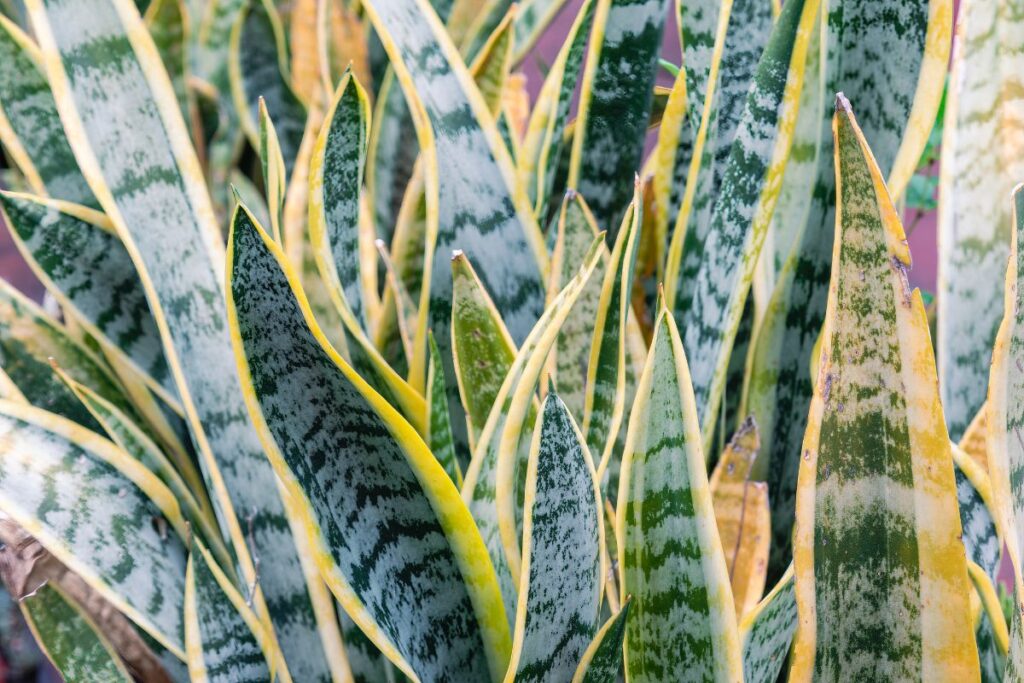
Snake plant leaves may turn yellow due to the following issues:
Natural Aging
Snake plant leaves grow in a clumping (whorled) pattern, with new growth occurring at the middle or outside of the clump, depending on the species. Older or taller leaves turn yellow over time as they age (typically after a year or so).
Aging is a natural process, and there’s no need to worry if the yellowing occurs only on the older leaves of the plant. You can let the aging leaves wither naturally or prune them to improve your plant’s appearance.
Remember the tips below when pruning the leaves:
- Use sharp, sterile shears or a knife to cut the leaves at the base.
- Brush some cinnamon powder over the stump to prevent bacterial or fungal infection.
Overwatering
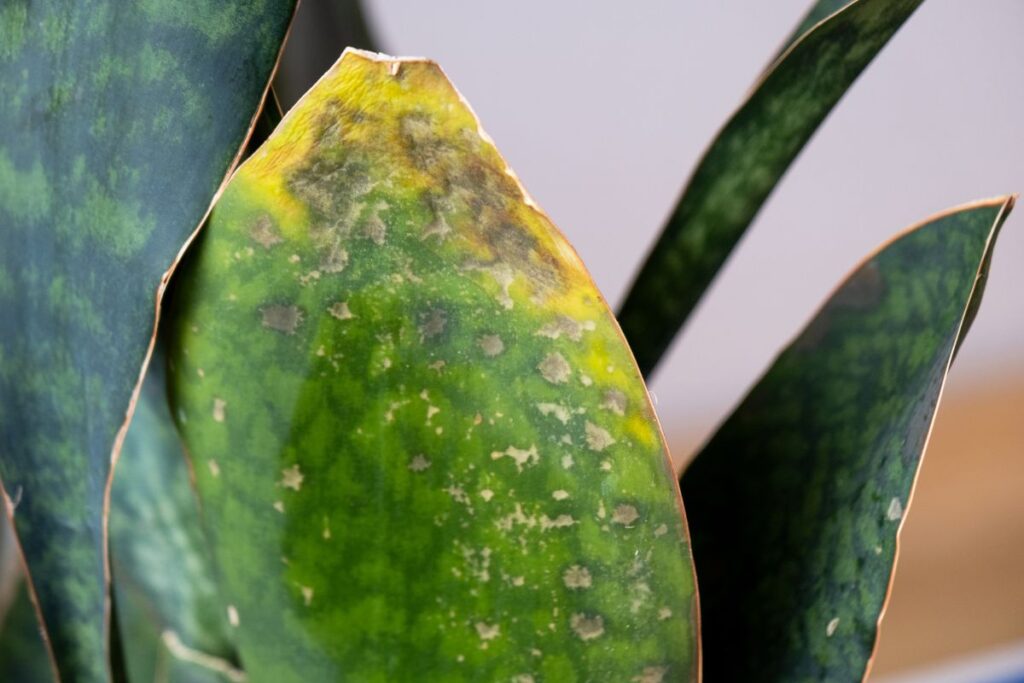
Frequent watering can lead to poor root health. Severe root damage, such as root rot, can lead to yellowing, mushy leaves, and the potential development of brown or black spots.
To fix, water only when the soil is fully dry 2 inches (5 cm) down. Use your finger or a wooden chopstick to check the soil moisture 2 knuckles deep. Alternatively, use a moisture meter and water the plant when the reading shows 3-4.
Poor Soil Drainage
Poor soil drainage may also weaken the roots and increase the risk of root rot.
Pro Tip: Observe the water movement when watering your plant and choose a solution below depending on the severity of the drainage problem:
- Surface-level compaction: If the water pools on the soil surface for about a minute, this can indicate poor water infiltration due to surface compaction. Use a hand rake to lightly till the soil surface about an inch (2.5 cm) deep to loosen the compacted soil.
- Clogged drainage holes: The soil may sometimes absorb the water readily, but cannot drain the excess through the pot’s holes due to soil plugs. Poke the soil plugs through the drainage holes with a wooden chopstick to allow the water to drain.
- Soil constantly moist up to the surface: Non-breathable pots or excessive use of moisture-retaining substrates, such as vermiculite, peat moss, or clayey soil, can keep the soil too wet for snake plants. Repot your plant in an unglazed terracotta pot with drainage holes filled with a high-quality cactus or succulent mix for optimal drainage. A homemade mix containing equal parts compost and perlite is also a suitable and cheaper option.
Prolonged Underwatering
Snake plants can survive for around 2 months without water, even during spring and summer, due to the large reserves in their thick leaves. However, chronic underwatering can lead to wrinkly, droopy, and yellow or brown leaves.
Here are possible solutions to underwatering depending on the symptoms:
- Prune the yellow or brown, dry tips of the leaves. Note that removing the growing tip of the leaf will inhibit further vertical growth.
- Soak the pot in filtered water for about 30 minutes to evenly rehydrate it and perk up the wrinkly or droopy leaves.
- If the soil has become bone dry and hydrophobic, repot the plant in fresh, well-draining soil. A compost-perlite mix is perfect because it’s easy to re-wet even when allowed to dry out.
Nutrient Imbalance
The lack of nitrogen and magnesium can turn snake plant leaves yellow. On the other hand, excessive fertilization can cause salt stress, which can desiccate the roots and cause symptoms similar to underwatering.
Choose the appropriate solution below:
- Nutrient deficiency: Feed the plant with a half-strength 10-10-10 liquid fertilizer to relieve nutrient deficiency. Do this every time you water from spring to summer or until the yellowing leaves return to their green coloration.
- Over-fertilization: Scrape the top ¼ inches (0.6 cm) of the soil that contains the fertilizer salt and replenish with fresh snake plant soil mix. If the soil is too crowded to do that, carefully unpot the plant and remove all the old soil using clean, filtered water. Repot the plant in fresh, well-draining soil mix. Hold off on fertilizing for at least a year, as the new soil should contain enough nutrients to feed the plant.
- Inadequate soil pH: Nitrogen and magnesium become less accessible to snake plant roots at levels below 6.0 or above 7.5. The optimal pH for nutrient availability is 6.5, and snake plants thrive at levels between 6.0 and 7.0. Check the pH indicated on the packaging when using commercial potting mixes. For homemade recipes, although perlite is neutral and doesn’t affect soil pH, ensure that the compost is also within the recommended range.
Excess Sunlight
Although snake plants naturally bask in direct sunlight all day in the wild, their indoor counterparts are less tolerant of intense sunlight without proper acclimatization. Too much sunlight can bleach the leaves or expand the creamy or yellow margins to mitigate the damage to the chloroplast-containing green surfaces.
You can fix the problem with the following tips:
- Prune leaves with bleaching or dry, brown spots. Those with only yellowing can still be saved with improved light conditions.
- Move the plant out of direct sunlight into a spot with bright, indirect light. Alternatively, filter the light from sunny windows using sheer curtains.
- Rotate the pot every time you water the plant to distribute light evenly to all the leaves.
2. Mushy or Soft Leaves

Healthy snake plant leaves are thick and firm and don’t readily fold.
If the leaves turn soft and mushy, your plant may be exposed to the following issues:
- Root rot: Overwatering can weaken the roots and increase pathogen populations in the soil, leading to root rot. The decay can quickly climb to the leaves and turn them yellow, soft, and mushy. It’s crucial to prune all the rotten roots and leaves and repot the plant in a fresh soil mix and a sterile pot. I’ll discuss the fixes for root rot in more detail below.
- Cold damage: Exposure to cold winter air below 55 °F (13 °C) can damage the cells in the leaves of snake plants, turning them soft, whitish/brown, and droopy. If the roots survive the cold, you can prune the damaged leaves and keep the plant in a room with stable, warm conditions. Although slow-growing by nature, snake plants can recover and produce new growth with consistent proper care and an optimal environment.
Note: Mold or fuzzy fruiting bodies of soil fungi may also appear alongside soft, mushy leaves as a symptom of root rot, especially under warm and highly humid conditions. I’ll discuss this further below.
3. Brown and Mushy Roots (Root Rot)
Root rot manifests with the following symptoms in snake plants:
- Yellowing leaves starting from the base
- Soft and mushy young leaves
- Drooping leaves
- Brown, mushy spots on the leaves
- Black, mushy, and foul-smelling roots and rhizomes
- Mold or fuzzy growth in the soil due to excess moisture
- Older, larger leaves are turning wrinkly from dehydration due to damaged roots
Your plant is more likely to suffer from root rot under the following conditions:
- Contaminated soil: Homemade potting mixes may carry rot-causing fungi, such as Rhizoctonia, Fusarium, and Phytophthora. While these fungi primarily spread through water droplets or via airborne spores, they can also contaminate unwashed pots or gardening tools and become activated when conditions become moist and warm.
- Overwatering: Snake plants are drought-tolerant succulents with fibrous roots attached to a fleshy, moisture-storing rhizome. They can handle infrequent watering quite well but are highly sensitive to overwatering, which can increase soil pathogen populations and weaken the roots, making them more vulnerable to infection.
- Poor soil drainage: Dense potting soil with clay or peaty soil mixes can hold a lot of water and drain slowly, leaving snake plants with wet feet for too long.
Snake plants can survive root rot if diagnosed and treated promptly with the following steps:
- Carefully unpot the plant to avoid further damage to the stressed roots.
- Remove as much soil as possible from the roots to examine the extent of the damage. Wear gloves to avoid getting rot-causing pathogens into your fingernails, as they can be transmitted when you handle other houseplants.
- Cut mushy roots using sharp, sterile scissors. Pro Tip: Remove all the rotten roots, as any remaining pathogen can reproduce and re-infect the plant when exposed to moist conditions again.
- Sterilize the blades between cuts to prevent the spread of infection.
- Prune all the damaged leaves to encourage the plant to focus on new growth once repotted.
- Rinse the remaining roots in gentle running water to remove the soil.
- Optional: Soak the roots in 1% hydrogen peroxide solution for 5-10 minutes to eliminate the remaining pathogens.
- Leave the plant unpotted in a warm room with moderate humidity for 2-3 days so the roots and cuts can heal.
- Prepare a clean or sterile breathable pot (unglazed terracotta) with drainage holes. Ensure it’s about 2 inches (5 cm) wider and deeper than the rootball. Avoid an oversized pot, as it can hold extra soil and moisture and increase the risk of root rot recurrence.
- Fill the bottom of the pot with fresh soil mix. Use a high-quality, sterile cactus or succulent mix to avoid rot-causing pathogens.
- Spread the roots over the soil and bury them about an inch (2.5 cm) deep. It’s okay to cover the bottom of the leaves to keep the plant stable in the middle of the pot.
- Water the soil deeply and evenly until the excess moisture drains from the bottom holes. Wait until the pot stops dripping before placing it on the saucer. Pour out any water that pools on the saucer over time to prevent resorption into the soil.
- Place the plant in a warm room (around 75 °F or 24 °C) with bright indirect light and moderate humidity (30-50%).
- Moving forward, always allow the soil to dry at least 2 inches (5 cm) or halfway down before watering again.
If you pruned over 50% of the root mass due to extensive rot damage, your plant may have lower chances of survival and may take a long time to recover.
Be patient and consistent with your improved care routine. In my experience, it can take 3-6 months for new signs of growth to appear, especially when treated in the fall or winter.
4. Wrinkled Leaves
Snake plant leaves are typically thick and smooth, but they may become wrinkled due to root damage caused by the following issues:
- Prolonged lack of water can dry out the roots, disabling them from absorbing and delivering moisture to the leaves. Once the water stored in the succulent leaves is depleted, it can result in shrunken cells, giving the leaves a wrinkled appearance and a ridged texture. This symptom is often reversible and precedes more severe issues like browning leaf tips and edges.
- Root rot results from persistent overwatering problems that can damage roots and inhibit proper water movement to the leaves, eventually leading to similar symptoms as dehydration—dry, wrinkled leaves.
Here are some ways to fix the problem based on the underlying cause of root damage:
- Dehydration: Soak the pot in filtered water for up to 30 minutes to evenly rehydrate the soil and roots and plump up the leaves.
- Root rot: Gently unpot the plant and prune all rotten roots. Repot the plant in fresh soil mix and a sterile new pot.
5. Brown Leaf Tips or Edges

The tips or edges of snake plant leaves may turn brown primarily due to:
- Physical injury: Rough handling and accidental damage from passersby, transport, or relocation can harm the foliage of snake plants. The wounded tips or edges may scar and turn brown over time. Prune the leaves with severe damage and relocate your plant to a spot safe from foot traffic.
- Chronic underwatering: Prolonged dry soil conditions can drain the moisture from the leaves, eventually turning them brown and dry along the tips and edges. Prune the brown tips or entire leaves if browning is severe, and soak the pot in filtered water for up to 30 minutes. In case of hydrophobic soil conditions, repot the plant in a fresh soil mix and water it regularly to prevent recurrence. The pruned leaves won’t grow longer, but you can expect greener new growth with improved care.
- Over-fertilization: Salt buildup usually occurs around snake plant roots due to infrequent watering. The excess salt can draw moisture from the roots and dehydrate the plant, resulting in brown leaf tips. Remove the visible salt crust on the soil surface and flush the soil with filtered or distilled water. Alternatively, repot the plant in fresh soil mix and avoid feeding the plant for a year.
Several other factors like high temperatures (>85 °F or 29 °C), intense sunlight, and low humidity (<30%) can promote rapid moisture loss due to faster evaporation and transpiration rates and aggravate underwatering problems.
Maintain the following optimal parameters around your snake plants to mitigate the damage caused by underwatering:
- Lighting: 8 hours of filtered light from an east, south, or west-facing window
- Temperature: Around 75 °F (24 °C)
- Humidity: 30-50%
6. Leaves Curling Inward or Twisting
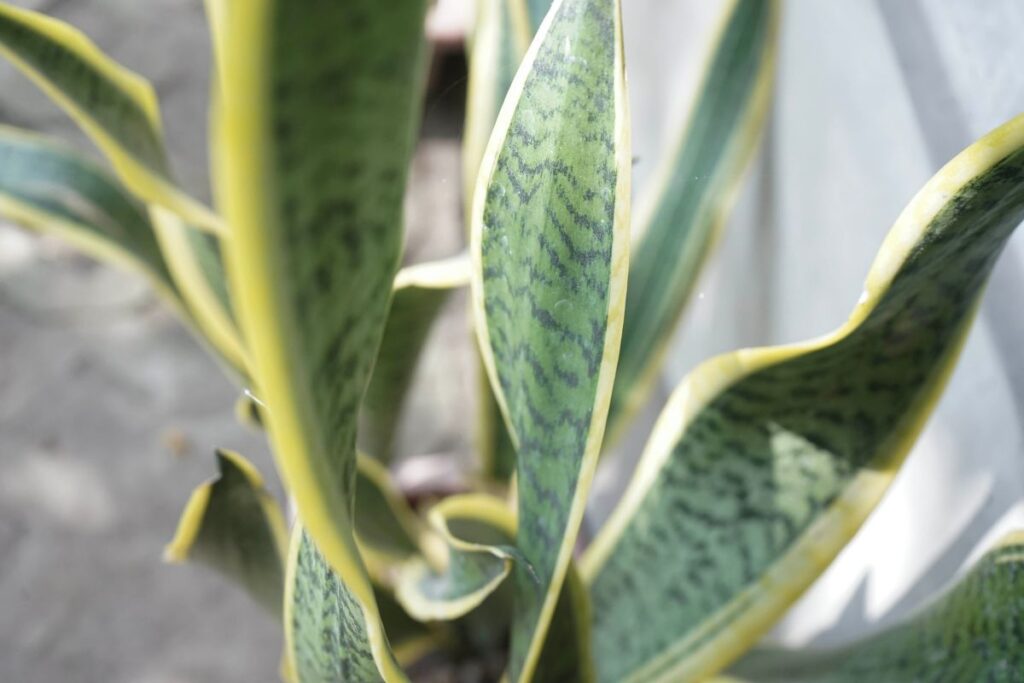
Unique snake plant varieties like the Dracaena trifasciata ‘Twisted Sister’ and ‘Cleopatra’ have naturally curly or twisting leaves.
For most snake plant varieties, the leaves are typically firm and upright. Curling or twisting leaves is a common sign of prolonged neglect.
Common causes of unnaturally curling leaves in snake plants include:
- Underwatering: Due to the low watering frequency needs of snake plants, chronic shallow watering can leave some areas of the soil dry, causing them to become hydrophobic over time. As a result, the plant doesn’t get adequate moisture even after watering, and the leaves continue to get weaker.
- Root rot: Severe root decay can inhibit moisture and nutrient uptake, leading to soft, mushy, and/or curling leaves.
- Heat stress: Intense light and heat can aggravate dehydration symptoms and cause twisted leaves.
- Nutrient deficiency: Although snake plants are light feeders, adequate nutrients can help build stronger leaves. Potting mixes can be depleted of nutrients over time, which can contribute to a snake plant’s susceptibility to curling leaves.
- Cold damage: Brief exposure to temperatures below 50 °F (10 °C) can turn leaves soft or limp. A chill injury can kill young snake plant leaves with underdeveloped cells. Any surviving leaves may become permanently curled.
In summary, the lack of moisture and nutrients in the leaves can make them structurally weaker and more susceptible to twisting.
Choose the appropriate solution below based on the underlying cause:
- Soak the pot in filtered water for up to 30 minutes to relieve the hydrophobic soil and properly rehydrate the roots. If severely water-repellent, repot in fresh potting mix that’s easy to re-wet (i.e., a 1:1 ratio of compost-perlite mix).
- Water the plant regularly. Check the soil moisture 10-14 days after watering to see if it’s dry two knuckles deep. Although drought-tolerant, snake plants need regular watering to stay vibrant and keep growing.
- Examine the roots and prune the rotten sections using sterile scissors. Repot in fresh, well-draining soil in a sterile, breathable pot (unglazed terracotta) with drainage holes.
- Move the plant 4-8 feet (1.2-2.4 m) away from hot, sunny windows. Keep the pot out of the path of hot air from heating vents to prevent heat stress.
- Feed the plant with a half-strength 10-10-10 liquid fertilizer (spring or summer). Choose a product with micronutrients like calcium, iron, and magnesium for stronger leaves. Repeat every time you water the plant (every 2 weeks) until the symptoms improve.
- Keep the plant away from drafty windows or doors, especially during freezing winters. Pro Tip: If you want to keep the pot next to a window for optimal natural light during the cold seasons, seal the window’s edges with caulk or use temporary solutions like bubble films to prevent cold drafts.
7. Pale or Bleached Leaves
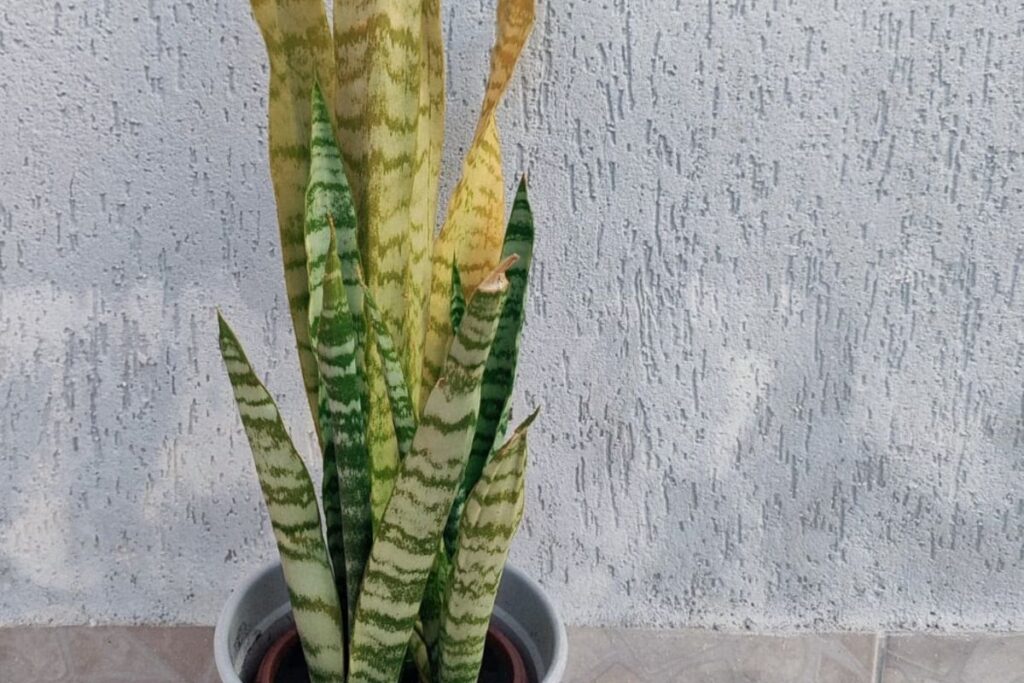
Snake plants have developed variegations as a natural adaptation or mutation due to intense light conditions. The dark green leaves have distinct light grayish-green bands and/or yellow margins in bright light conditions, which help disperse light and protect the chloroplasts.
However, indoor snake plants cultivated in nurseries typically don’t receive much direct sunlight and have been accustomed to moderate lighting (bright, indirect, or filtered light).
Snake plants may have pale leaves due to:
- Sunburn: Prolonged exposure to direct sunlight without proper acclimatization can bleach the leaves. It’s essential to address the issue promptly and prevent further damage, such as leaf scorch (characterized by dry, brown patches).
- Nutrient deficiency: The lack of nitrogen, iron, or magnesium can lead to slower chlorophyll production, resulting in paler leaves.
Follow the tips below to help your plant recover from sunburn:
- Move the plant several feet (+0.6 m) away from a hot, sunny window into a spot that receives bright, indirect light.
- Filter the light using sheer curtains if there’s limited space that doesn’t receive direct sunlight.
- Rotate the pot every time you water the plant to give the leaves respite from intense sunlight and promote balanced light exposure to the other leaves.
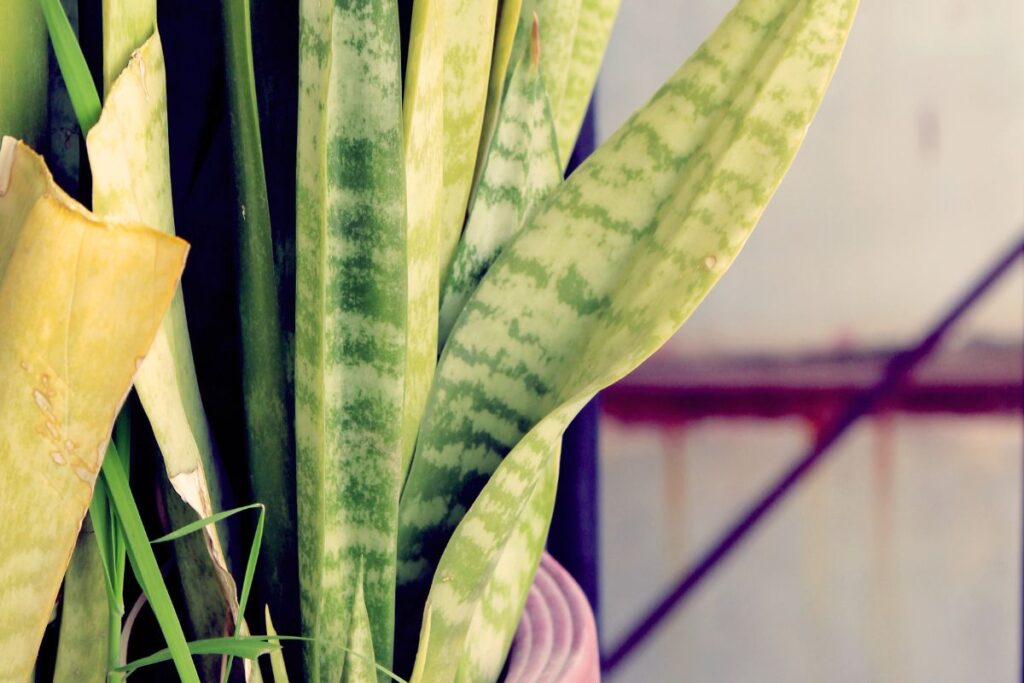
When relocating a snake plant to a sunnier spot, follow these tips for proper acclimatization:
- Move the plant about 2 feet (0.6 m) closer to the brighter spot every 1-2 weeks to allow it to adapt to brighter light conditions.
- Increase the watering frequency as needed, as higher light conditions and temperatures can cause the soil to dry out more quickly.
- Routinely rotate the pot to prevent the leaves from being exposed to bright sunlight for too long.
On the other hand, here are some tips to address nutrient deficiency:
- Immediate action: Dilute a 10-10-10 fertilizer with micronutrients (liquid or powder) to half its recommended strength by adding it to the watering can. Apply every time you water the plant until the symptoms improve.
- Prevention: Apply a thin layer of 10-10-10 granular fertilizer to the soil in spring, and water the plant regularly to allow the nutrients to reach the roots. In late summer or fall, work a handful of compost into the top inch (2.5 cm) of the soil for a gentle dose of nutrients throughout the cool season.
8. Loss of Variegation or Margin
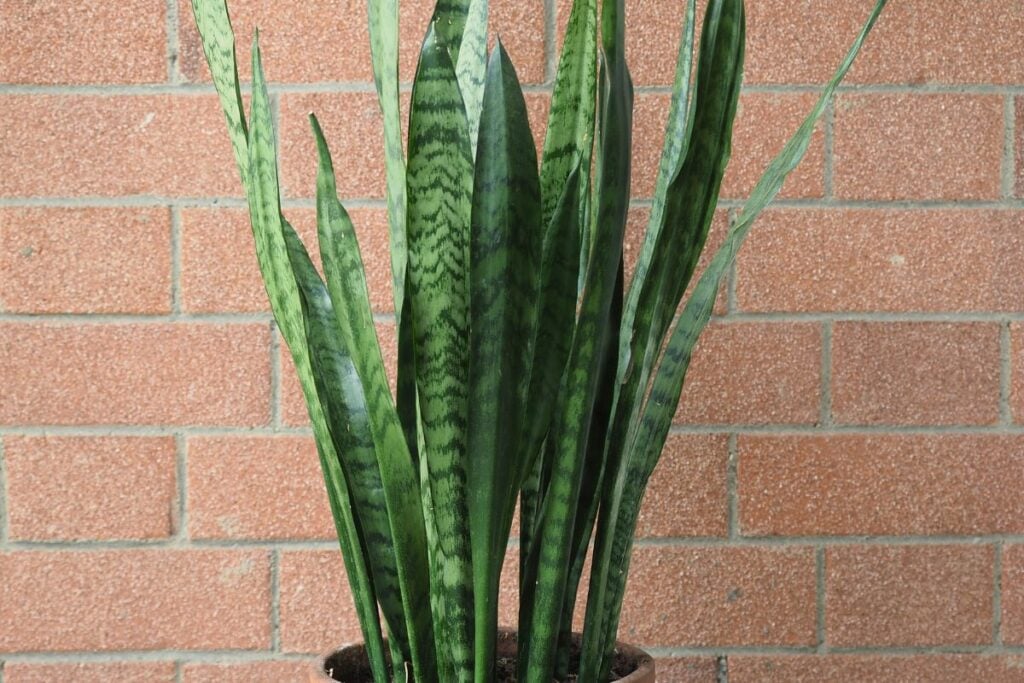
Snake plants are valued for their unique leaf variegations and/or yellow or cream margins.
However, they can revert to solid-green form or lose the margins in the following situations:
- Insufficient light: Although snake plants can tolerate low light conditions, prolonged exposure to insufficient natural light can cause the leaves to appear solid green due to increased chlorophyll production, which maximizes the amount of light they can absorb. Acclimate your plant to moderate lighting (bright indirect light), and the variegation will gradually return (in about a month or so).
- Leaf propagation: Propagating snake plant cultivars with yellow/cream margins using leaf cuttings typically results in new leaves reverting to their original form without margins (i.e., ‘Golden Hahnii’ to the classic ‘Hahnii’). I recommend dividing the original mother plant using offshoots that include the rhizomes and existing root systems to maintain the characteristic margins.
9. Droopy, Floppy, or Wilting Leaves
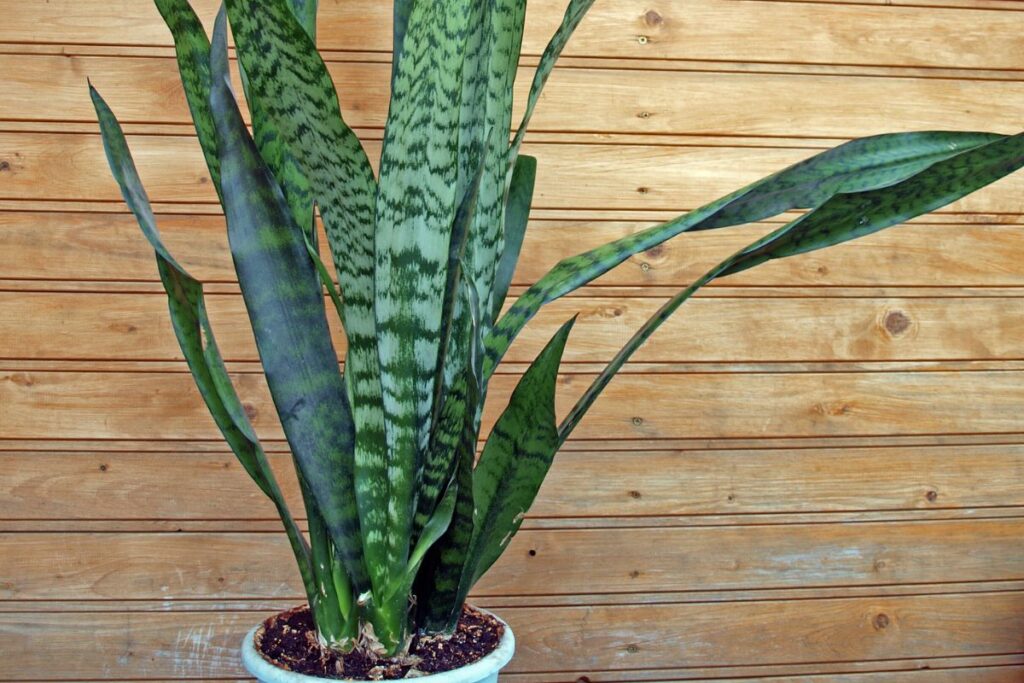
Non-dwarf snake plant varieties can grow 2-5 feet (0.5-1.5 m) tall, with the rigid texture of the leaves keeping them upright. Plant stress can cause the leaves to weaken, resulting in drooping or wilting.
Here are some potential causes:
- Overwatering: Root rot weakens the leaf base, causing mushy spots on the leaves.
- Prolonged underwatering: Dehydration causes cells to shrink, and the leaves lose firmness. The wilting leaves gradually turn limp and fall over.
- Heavy top and shallow planting: As the pot becomes overcrowded, the outer leaves may start to fall over. Additionally, offshoots or new clumps may not have sufficient soil space to support the roots and keep them steady.
- Aging: The older, taller leaves naturally lose firmness over time and start drooping. The symptom is usually preceded by yellowing.
Follow the tips below to fix the problem:
- Prune the collapsed leaves if mushy or discolored (brown or yellow). Cut the leaves close to the soil using sharp, sterile shears, knife, or scissors. You can then brush the stump with cinnamon powder to prevent infections.
- Adjust your watering frequency accordingly. Wait until the top 2 inches (5 cm) or the upper half of the potting mix dries out completely before watering.
- Repot the plant in a larger container or divide the plant every 3-5 years to give the roots enough soil space to anchor the plant. Ensure the roots and rhizomes are buried about an inch (2.5 cm) below the soil surface.
10. Stretched, Deformed, or Narrow Leaves

Snake plant leaves can vary in length or width depending on the variety, but if your plant is showing unusually long or narrow leaves, it could be due to:
- Insufficient light: Prolonged exposure to low light conditions can lead to etiolation, characterized by unusually long and narrow leaf growth in an attempt to reach the light source. Snake plants naturally grow slowly, and the deformity is often overlooked until the leaves become noticeably misshapen.
- Nutrient deficiency: Snake plants typically don’t require too much fertilizer and will do well with a single feeding in spring. If the plant has been in the same pot for over 2 years without fertilization, the new leaves (if any) may appear deformed or structurally weaker as the soil nutrients are depleted.
Improve your plant’s appearance with the following tips:
- Prune the stretched leaves. Limit pruning to about a third of the foliage volume to allow the plant to continue photosynthesizing. Remove the severely deformed leaves first and wait until new growth appears before pruning again. Be patient as snake plants grow slowly and can still use the deformed leaves to photosynthesize until they develop healthy-looking new leaves.
- Acclimate your plant to brighter natural light when moving it closer to a sunny window (ideally east or south-facing).
- Supplement lighting with grow lights if the area doesn’t receive much natural light by positioning your plant 6-12 inches (15-30 cm) below a lamp for around 10 hours daily until the new growth appears normal.
- Fertilize the plant in spring and/or summer during active growth. Use a half-strength liquid fertilizer for faster absorption or a granular fertilizer for slow release over a period of 3 months or so.
11. Slow or Stunted Growth
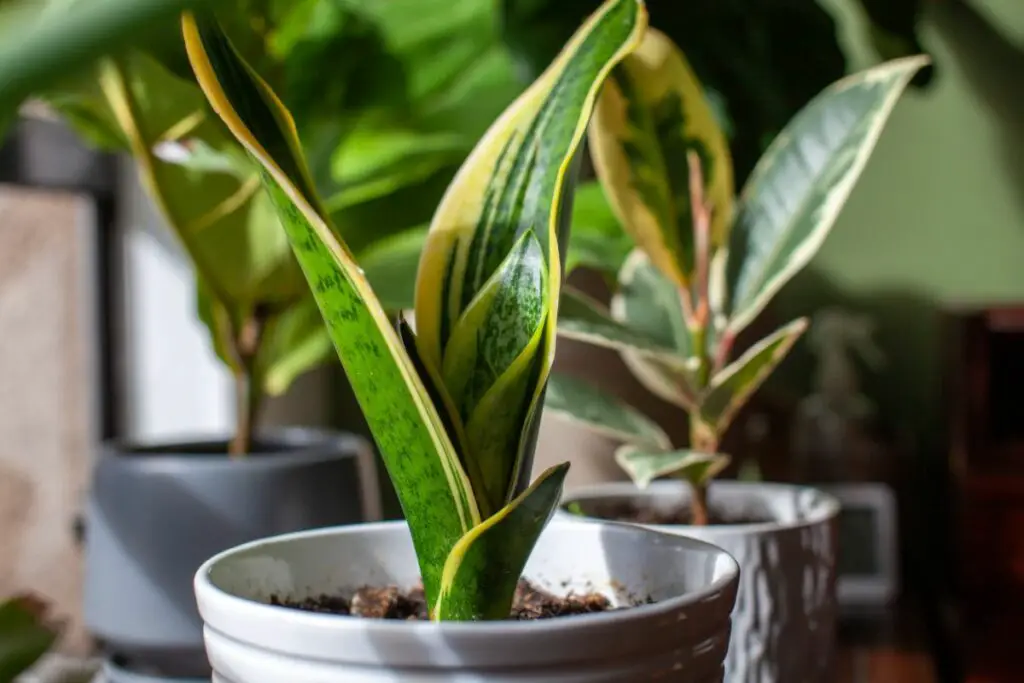
Snake plants are naturally slow-growing succulents perfect for beginner, minimalist, or laid-back indoor gardeners.
From experience, non-dwarf snake plants grow 2-3 inches (5-7.6 cm) per month from spring to summer or around 1 foot (30 cm) per year. I also notice 1-2 new baby clumps (offshoots) per year at the base when environmental conditions are optimal.
If your snake plant doesn’t seem to be putting out new growth or getting bigger even during the growing season, it may be due to:
- Insufficient light: Too little light can cause snake plants to stretch or get leggy, which is not a positive or attractive type of growth. In some cases, snake plants exposed to suboptimal light conditions will stop putting out new offshoots. To encourage your plant to grow, gradually introduce it to moderate or brighter light conditions, such as 4-8 feet (1.2-2.4 m) from an east or south-facing window.
- Nutrient deficiency: After staying in the same pot for 2 years or so, the soil nutrients naturally get depleted, and the snake plant will grow noticeably slower. Encourage new growth by fertilizing the plant in spring with a 10-10-10 granular fertilizer or repotting in a fresh soil mix.
- Being rootbound: The lack of soil space prevents overgrown snake plants from producing new offshoots or leaves. Repot or divide the plant every 3-5 years to revitalize it and promote new growth.
- Colder, darker season: Although snake plants don’t naturally go dormant in their native habitat, the colder, darker fall and winter months in the U.S. (northern hemisphere) can prompt them to grow more slowly. Keep the roots alive by watering once every 4-6 weeks. In spring, growth should pick up with more frequent watering (every 2 weeks) and the warmer and brighter conditions until summer.
12. Leaf Scarring

Snake plants may develop random scars or splits on the leaf surface due to:
- Mechanical damage from handling or falls
- Bite marks from curious pets
- Sharp-edged tools
- Accidental injury from foot traffic
The damage may appear in the following ways:
- Tiny punctures heal over time but leave pale brown to tan dots on the leaf surface.
- Shallow scratches on the leaf surface gradually heal but cause the affected tissues to turn brown and dry.
- Large tears at the center of the leaves usually don’t close and instead develop a dark, dry scar along the edges of the wound, keeping the leaves split in the middle.
Here are some tips to fix and prevent the problem:
- Remove severely scarred leaves if desired. Always use sharp, sterile shears to prevent plant infection.
- Minimize handling or moving. Snake plants require minimal care, so you can leave them undisturbed when you find their sweet spot in your home. Water every 2 weeks during the growing season, and be careful when rotating the pot. Pro Tip: If you must move a large snake plant, place the pot over a plant caddy (wheeled) so you can safely push it to the next location.
- Keep the plant in a room inaccessible to curious cats and dogs, as the saponins in the leaf sap can cause vomiting and diarrhea when ingested.
- Position the plant in a safe spot away from foot traffic, such as hallways or corridors. Although popular for welcoming good luck when placed along entryways, snake plants are often exposed to accidental injuries in these spots.
13. Pest Infestation
Snake plants have few pests due to their thick leaves.
Some common greenhouse and houseplant pests drawn to snake plants include the following:
| Pests | Appearance | Damage | Treatment |
| Mealybugs | Pink or reddish segmented bodies covered in fluffy white wax About 1/16-⅛ inches (1.6-3.2 mm) long and can be found close to the base of snake plant leaves | Yellowing at the site of infestation They draw sugary sap and excrete honeydew, which can attract sooty mold fungi and/or ants. | Dunk the leaves in water to dislodge the pests. After removing the plant, add soap to the water to kill the pests. Use long cotton swabs with alcohol to manually remove remaining pests and discard them in soapy water. Isolate and move the plant out of direct sunlight for up to 8 weeks during treatment. Treat with neem oil (weekly) or insecticidal soap (every 3-5 days), ideally at night |
| Spider mites | Microscopic (<1 mm) Web-forming, spider-like pests with eight legs (6 for nymphs) May be black, red, or translucent with two dark spots | They draw sap from the stomata on the leaves and typically don’t cause visible damage to the sturdy snake plant leaves. Stressed plants with thinner leaves may show reddish-brown specks in severe infestations. | Dunk the leaves in water to dislodge the pests. After removing the plant, add soap to the water to kill the pests. Wipe the webs away with a clean, damp cloth. Isolate and treat with spinosad spray once every 10-14 days. Follow product-specific instructions. |
| Banded greenhouse thrips (Hercinothrips femoralis) | About 1/16 inches (1.6 mm) long Yellow or brown body and grayish wings with white bands | They pierce through the leaves with their stylets and draw juice out, leaving the spot dry and silvery or brown. They release black excrement that looks like tiny black dots on the leaves | Prune visibly damaged leaves to remove thrip larvae colonies Install yellow sticky traps near the plant to catch winged adults Treat the plant with neem oil or insecticidal soap at night (once weekly). Alternatively, use spinosad spray every 10-14 days. |
14. Brown or Black Spots on Leaves

Snake plants may also occasionally develop brown or black spots on the leaves due to the following issues:
- Overwatering: Watering the plant too frequently can cause mushy, brown, or black spots on the leaves, especially when root rot develops. Prune the damaged leaves and reduce watering until the soil is completely dry. Alternatively, repot the plant in fresh cactus mix and a sterile pot.
- Fungal infections: Colletotrichum sansevieriae is a host-specific anthracnose fungus that infects snake plants. It typically spreads in greenhouses through contaminated water splashes, soil, and airborne spores. It may persist in soil and plants until activated, causing brown or blackish water-soaked spots with yellow margins and a concentric white center. It’s best to discard an infected plant along with its potting soil and start fresh with a new, healthy snake plant.
- Sunburn: Too much direct sunlight can burn the leaves, causing brown, dry spots. The damage is usually severe if the plant is also chronically underwatered. Prune severely damaged leaves and relocate the plant to a spot that receives bright indirect light for at least 8 hours daily.
- Pests: Thrips can leave behind silvery or brown dry spots on the leaves after feeding. Prune the damaged leaves to remove thrip colonies and treat the remaining foliage with neem oil, insecticidal soap, or spinosad spray.
- Physical Injury: Cuts or tears from foot traffic or rough handling during transport/relocation can also lead to necrotic black spots if the wounds become infected with plant pathogens. Prune the leaves showing signs of necrosis to prevent the spread of infection. Use a sharp, sterile knife to cut the damaged leaves at the base and brush the wound with cinnamon powder to prevent secondary infections.
Note: Other sources may claim that frequent use of tap water can cause leaves to turn brown or yellow due to chlorine or mineral salt buildup. However, I have friends who’ve planted a few snake plants near coastal areas and confirmed that they can tolerate salty rainwater.
In addition to the treatments discussed above, improve your care routine with the following tips to prevent brown and black spots on snake plants:
- Inspect the leaves before purchase. Avoid plants with leaf spots, as they can indicate a pest infestation or fungal diseases.
- Quarantine new plants to prevent pest or disease outbreaks in your indoor garden.
- Allow the top half of the potting mix to dry out between waterings.
- Water the plant at the base, not over the leaves.
- Apply cinnamon powder to the cuts every time you prune your plant to prevent pathogens from reaching the wounds.
- Move away from intense midday or afternoon sun. Draw sheer curtains at midday to filter the light.
- Proactively spray neem oil at night every 2 weeks in spring and summer to control and/or inhibit any hidden pest infestations.
15. Mold or Fuzzy Growth on Soil
Snake plant soil sometimes becomes moldy when it remains wet for too long due to:
- Frequent watering
- Poor soil drainage
- Organic matter decomposing on the soil surface (i.e., unfinished compost)
You can fix the problem in the following ways:
- Removing the moldy layer: Scrape the top inch (2.5 cm) of the soil mix using a disposable spoon and discard properly. Pro Tip: Sprinkle a spoonful of cinnamon powder over the soil surface to inhibit fungal growth. Note that this may also affect beneficial soil microbes, so it’s best to do this only once. Add fresh, sterile cactus mix to replenish the soil that has been discarded.
- Repotting in fresh, sterile soil: Carefully unpot the plant and remove all the old soil. Soak the roots in 1% hydrogen peroxide solution for 5 minutes to kill any remaining fungi. Transplant into a sterile pot with drainage holes. You can use a high-quality sterile cactus mix for optimal drainage.
Moving forward, you can prevent the issue with these tips:
- Use finished compost when amending the soil to introduce beneficial microbes.
- Always allow the top 2 inches (5 cm) or the upper half of the soil mix to dry out between waterings.
16. Flowering (Absence or Unexpected)
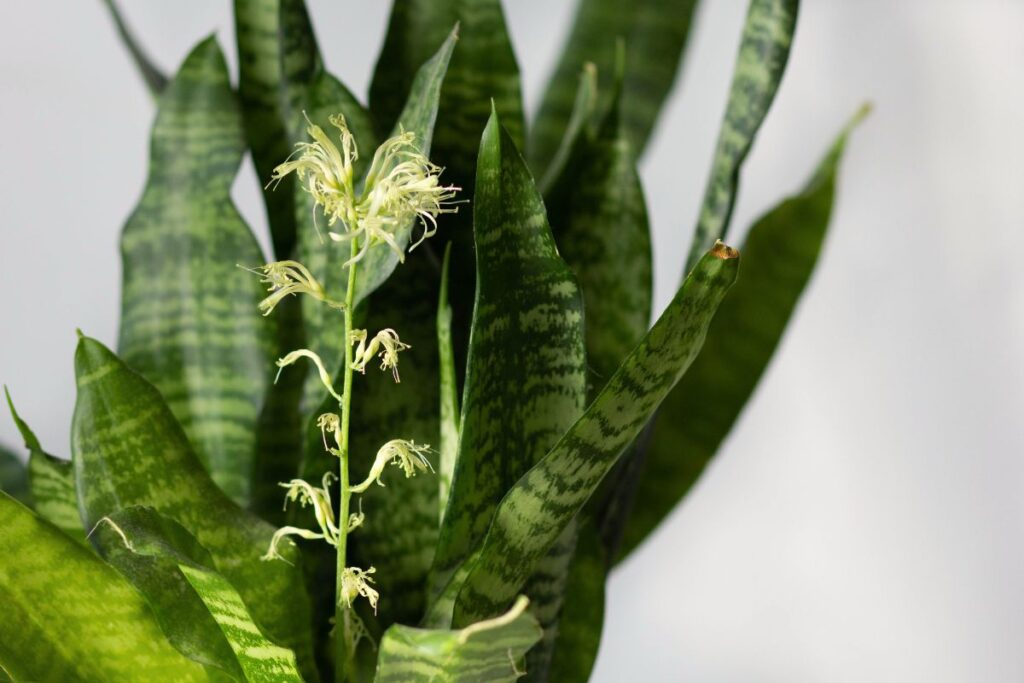
Snake plants are flowering evergreens that bloom sporadically in their native habitat. However, they rarely bloom indoors when grown in colder climates because they require ample sunlight, sufficient rainfall, and stable, warm temperatures to develop flowers.
The greenish-white flowers grow in a raceme on long flower stalks and emit a sweet, vanilla or jasmine-like scent.
If your plant reliably flowers annually but suddenly stops blooming, it may be due to:
- Recent change to lower light conditions: Acclimatize the plant back to direct morning sunlight for 2-6 hours daily.
- Nutrient deficiency: Feed the plant annually (in spring) with a 10-10-10 fertilizer.
- Underwatering: Water the plant regularly to ensure continuous growth and flower bud development.
On the other hand, if your snake plant produces flowers unexpectedly, it just shows that it is satisfied with your care and its environment.
There’s no need for a fix—just enjoy the blooms while they last! You may trim the bloom stalk at the base after flowering.
Final Thoughts
Snake plants are renowned for their drought tolerance and sturdiness, often regarded as virtually indestructible.
However, even though snake plants are beginner-friendly, they’re not foolproof. Overwatering is the number one issue—get that right, and most problems are avoidable.
With low maintenance needs and strong visual impact, snake plants are resilient companions for any home. A little observation and care go a long way.
Have you had trouble with your snake plant? Share your experience or ask your questions in the comments below!