
Q&A: ZZ Plant is Brown, Mushy, and Wilting – Grateful for Any Advice or Suggestions!
Lindsay
Hi, I just bought my plant 2 days ago and now it’s just looking like this..
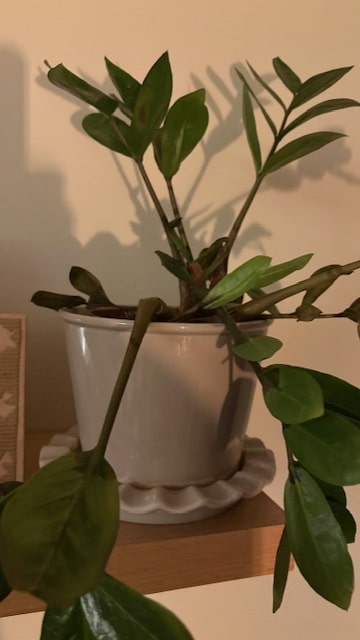
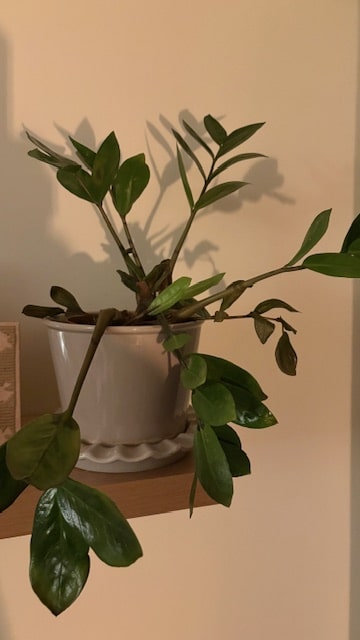
I’m hoping it’s will recover once it settles down? I’m from the uk if that helps?
. I only literally gave tiny amounts of water 💦 this morning. Perhaps I shouldn’t have done as I wasn’t sure if it needed it but the soil was very dry.
When I brought it one of the stems was bent over.
I would be very grateful for any advice or suggestions
Best regards,
Lindsay 🪴🌱
Dr. Moritz Picot
Hi Lindsay,
I think that ZZ plant looks overwatered and the roots and bulbs might be rotting. As far as I can tell from the images, it looks like low light conditions may be worsening the overwatering issue.
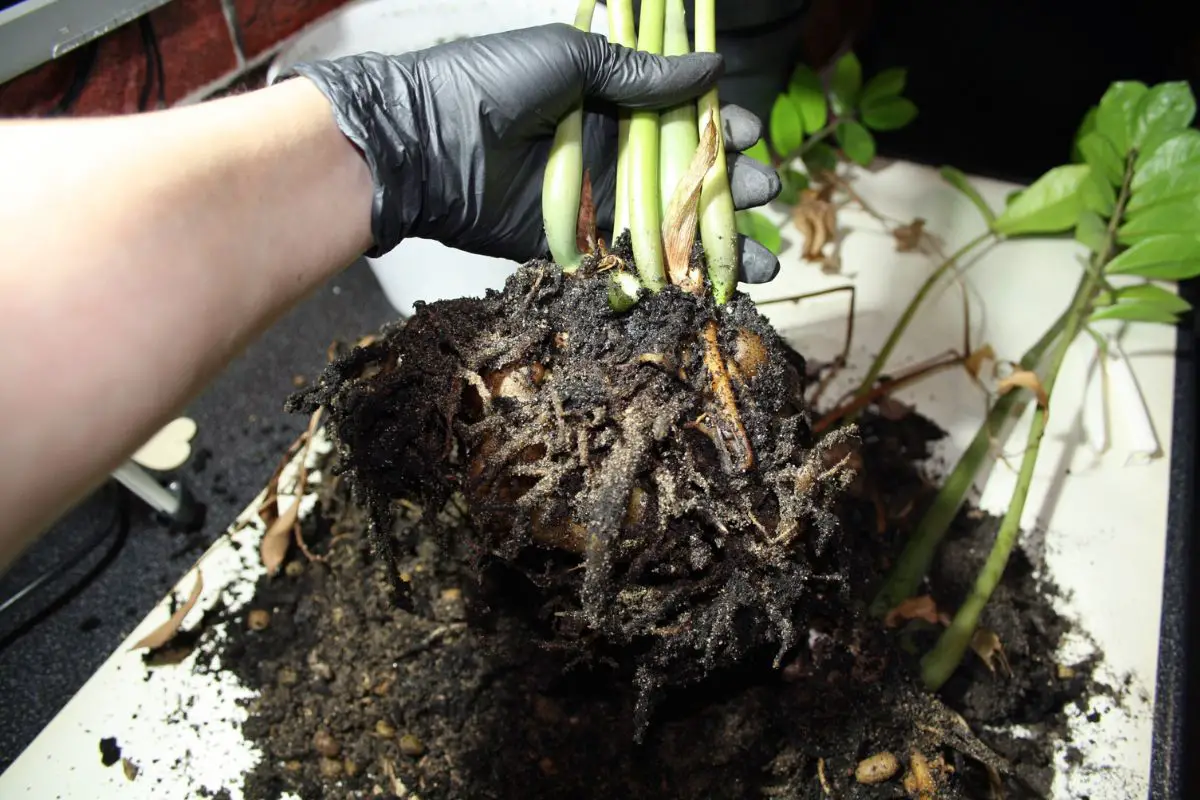
Based on the appearance of the stems (brownish, flimsy, and looks mushy), try to dig into the soil and carefully press the rhizome or bulb with your finger. A healthy bulb should be pale brown and firm. If it’s dark and mushy, then you can confirm bulb and root rot.
ZZ plants are pretty sturdy so if there are any remaining healthy bulbs, you can try these remedies:
- Separate them from the rotten ones.
- Prune all the black, mushy roots using sterile scissors or pruning shears.
- Rinse the remaining roots with clean water or 1% hydrogen peroxide solution.
- Leave the plant unpotted for 3-5 days in a warm room (68 °F or 20 °C) with moderate humidity (30-50%) and bright indirect light.
- Repot the plant in a breathable pot only 2 inches (5 cm) wider and deeper than the root ball. Ensure the pot has drainage holes to prevent waterlogging and root rot.
- Use a high-quality succulent mix or a homemade blend of 50% perlite and 50% compost for optimal drainage, aeration, moisture retention, and nutrition.
I can see many leaves with a brown base, indicating that the rot has spread to the stalks and leaves. If you want something less invasive, you can try to locate any healthy-looking leaf and propagate it in coco peat or water.
Here are the steps for propagation in coco peat:
- Use a sterile knife to slice the leaf off the stalk with a bit of node attached.
- Leave the cuttings overnight on a paper towel or plate in a warm room with moderate humidity and bright indirect light.
- Bury the leaf’s bottom 1/2 inch (1.3 cm) in moist coco peat. Space the leaves an inch (2.5 cm) apart.
- Spray the coco peat with water every 1-2 days to keep the substrate moist but not soggy.
- Optional: Place the container over a heating pad to keep the temperature around 75 °F (24 °C) for faster root and rhizome development.
- For water propagation:
- Fill a shot glass with enough filtered water to soak the bottom 1/2 inch (1.3 cm) of the leaf cutting.
- Keep the cutting upright in a warm room (at least 75 °F or 24 °C) with moderate humidity and bright indirect light.
- Refill the water as needed to maintain the level. Replace the water when it appears murky.
Place your plant in a spot that gets bright, indirect light for at least 8 hours a day. Water only when the top half of the soil is dry, which is typically every 2–3 weeks during mild seasons like spring and early fall.
With appropriate care and attention, the leaf cuttings in coco peat should form roots within a month (or around 3 months or so in water).
I also wrote an in-depth article on root rot in ZZ plants—feel free to check it out here: http://thegrowingleaf.com/root-rot-in-zz-plants-symptoms-causes-and-fixes/
Regards,
Moritz
Lindsay
Thank you so much.
I have already removed the mushy bits and repotted it into a bigger pot with some perlite. As you can see from the pictures that they were very damp were the roots are.


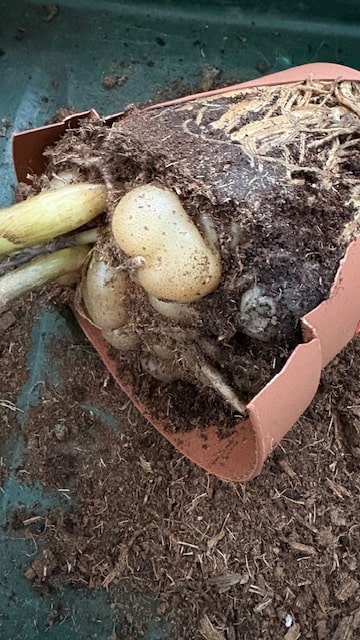

Thank you so much for responding as it is very helpful.
Kinds regards,
Lindsay
Dr. Moritz Picot
Of course! Always happy to help and chat.
Your ZZ looks so much better now with the fresh potting mix and new pot.
Just be sure to keep watering to a minimum and provide plenty of light—without overdoing it.
I’m confident it will bounce back and thrive!
Moritz
Got a plant question? Need advice? Feel free to ask—We’re happy to help!