
Humidity Requirements for Jade Plants Explained
Jade plants are low-maintenance succulents famous for their resilience and fascinating tiny tree-like form. They’re highly adaptable to various indoor conditions but do best in semi-dry environments.
Here are important facts about a jade plant’s humidity requirements:
- The optimal humidity level for jade plants is 30-50% all year round.
- Low to moderate humidity encourages a healthy transpiration rate and prevents edematous cells from bursting and damaging the leaves.
- Proper humidity levels can also help prevent pests and diseases.
This article will focus on understanding and optimizing jade plants’ humidity requirements to ensure their indoor health and vibrancy.

Native Habitat and Anatomy
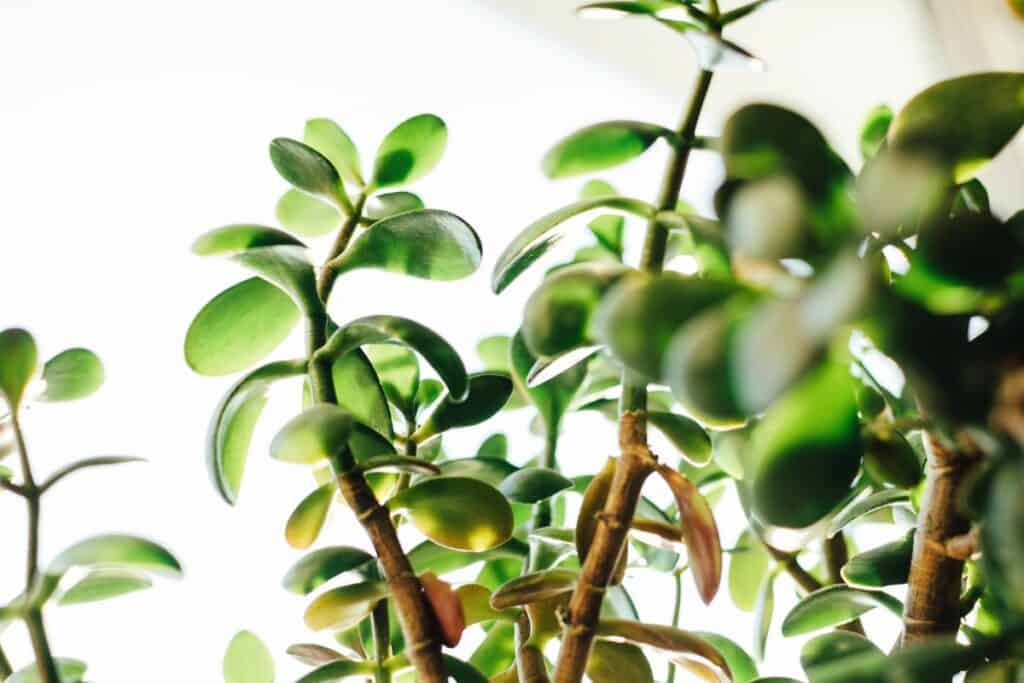
In South Africa, jade plants (Crassula ovata) typically grow on inland sandy slopes or rocky hills, which drain water quickly. They’re also exposed to full sun, infrequent rains, and low humidity, resulting in excellent drought tolerance.
The arid conditions in their native environment largely influenced the morphological evolutions that make jade plants one of the most popular indoor succulents.
Here’s an insight into their unique anatomy:
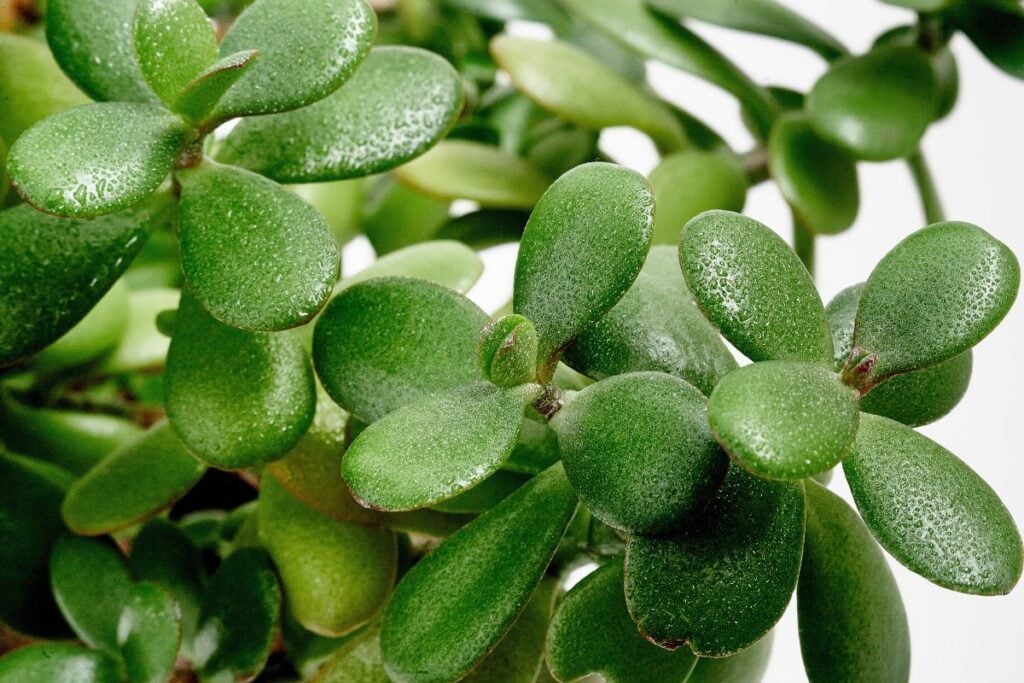
- The leaves are green, waxy, plump, and coin-shaped. These traits are both aesthetic and functional as they maximize light absorption and moisture storage for continued photosynthetic and metabolic activities despite drought. The stomata also close during the day to minimize moisture loss from transpiration.
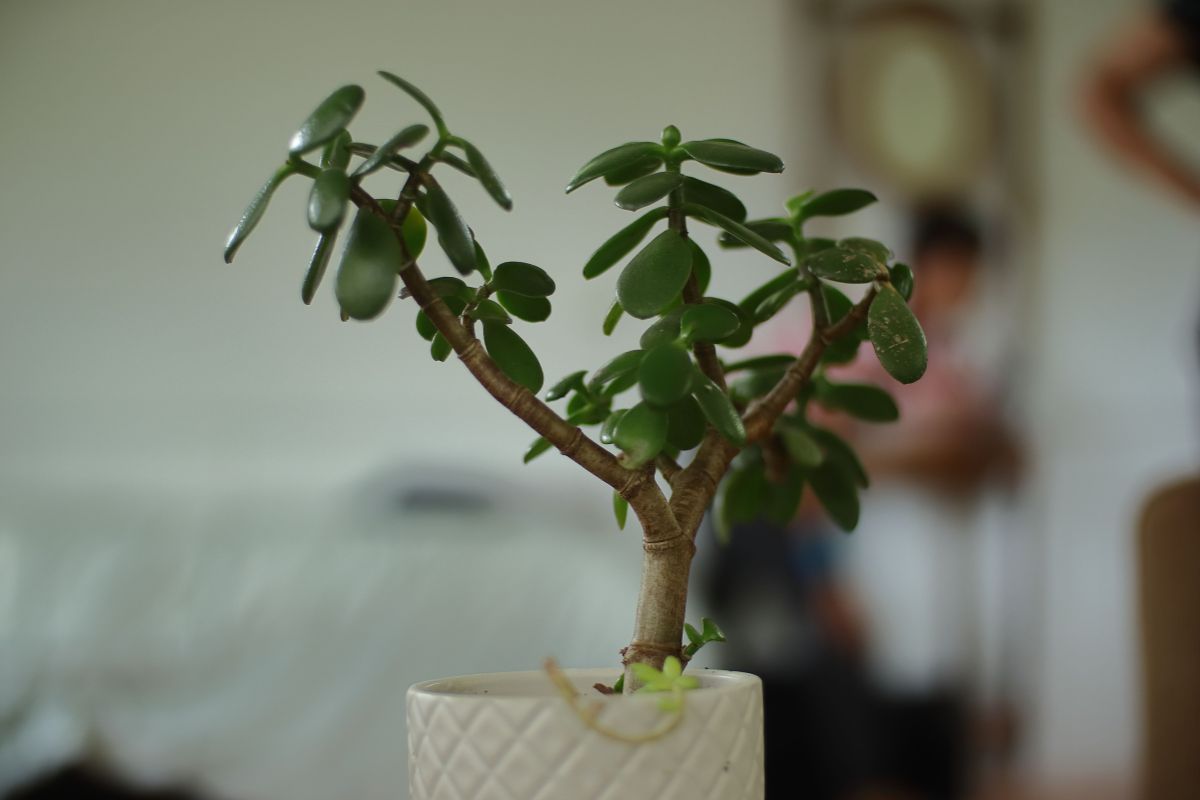
- The fleshy stems gradually become woody as the plant ages, providing physical support to the dense and heavy foliage and giving jade plants a miniature tree-like form.
- The roots are shallow and fibrous, with excellent moisture absorption. Desiccated roots might easily fall off or break apart during drought, but the main trunk readily re-roots when conditions improve. Their tolerance to heavy root pruning makes them an excellent addition to shallow and decorative bonsai pots.
Humidity Requirements
Jade plants are well-adapted to dry conditions and thrive in low indoor humidity of around 30-50%.
It’s crucial to maintain the humidity within this range (day and night all year round) to obtain the following benefits:
- It can facilitate optimal transpiration rates. During the day, jade leaves lose moisture only through the leaf cuticles, which is only a fraction of moisture lost from stomata at night. It allows jade plants to transpire more readily to remove excess moisture from the cells and prevent edema.
- It draws excess moisture from the soil like a vacuum, protecting the plant from common problems like root rot.
- It releases unwanted moisture from the leaves in vapor form, keeping the leaf surface dry and free from pests or fungal diseases like powdery mildew.
- It’s also considered safe for human health based on US EPA standards, as it reduces the risk of fungal growth (e.g., mold and mildew) in homes, including indoor potted plants.
Measuring Humidity
Although jade plants can tolerate a wide range of humidity, it helps to avoid frequent and drastic fluctuations, as they can stress jade plants and several other houseplants.
You can measure the humidity in your home using a portable digital thermometer and hygrometer. Note that a hygrometer measures relative humidity.
Relative humidity is the amount of vapor in the air at a given temperature, expressed in percentage. In contrast, absolute humidity is the actual amount of moisture in the air regardless of the temperature. It is measured in grams per cubic meter.
In indoor gardening, we measure the relative humidity, making a hygrometer a useful tool to add to your gardening arsenal.
You can use the device to measure the humidity at different potential garden areas in your home at 1-hour intervals. Use the data to find a spot with an average humidity level of 30-50% throughout the day.
Signs of Inadequate Humidity
Extreme humidity levels can indirectly affect a jade plant’s health as they can worsen the impacts of environmental stressors, such as inadequate light, temperature, and water.
Here are the negative effects of inadequate humidity levels on jade plants:
High Humidity Concerns
Prolonged exposure to levels over 60% can be bad for jade plants as it can contribute to the following problems:
- Overwatering & Root Rot: High humidity levels can inhibit transpiration, reducing the plant’s ability to draw and expel excess moisture from the soil. As a result, the soil stays wet for longer, increasing the risk of root rot. The leaves may then turn yellow or mushy or develop black spots.
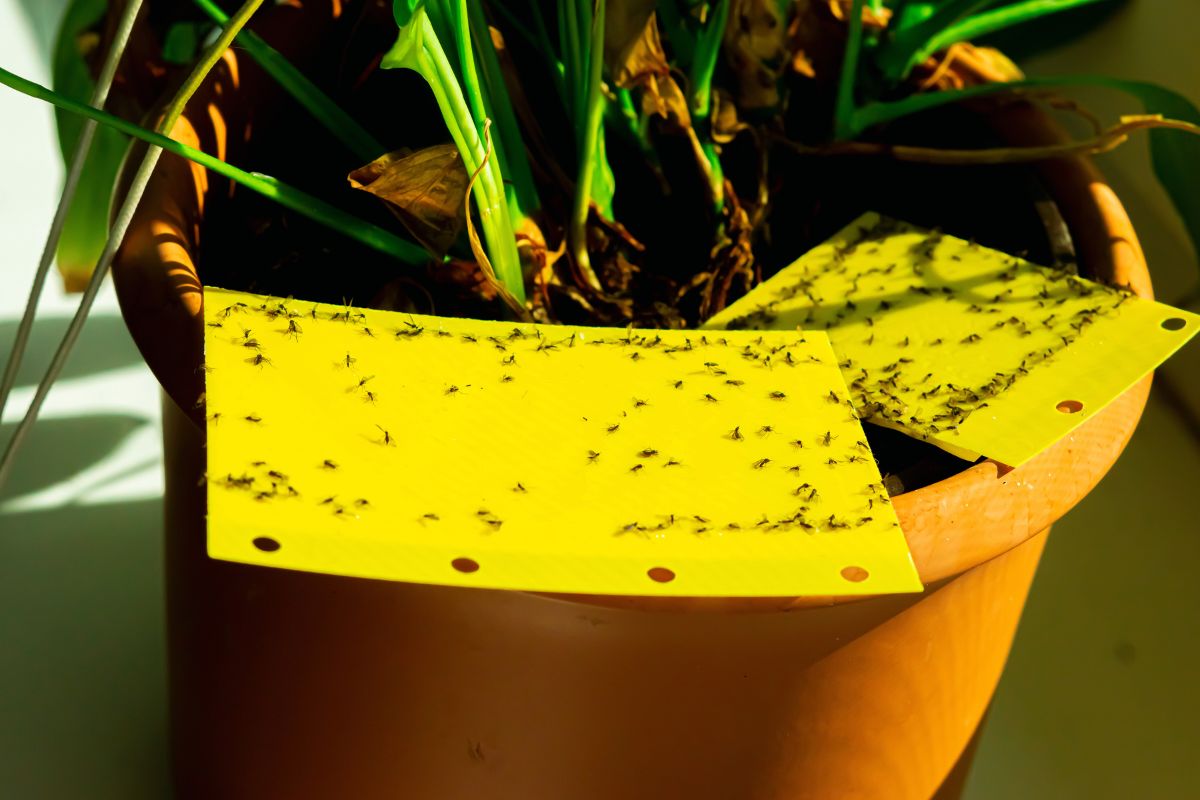
- Pest Infestation: High humidity can reduce the plant’s transpiration rate, increasing the amount of moisture in leaf cells. Oversaturated cells on jade leaves can attract sap-feeding pests like mealybugs, scale insects, and aphids. Even fungus gnats may be encouraged to lay eggs on wet soil. Once the larvae hatch, they can feed on the weakened roots. Proper ventilation can maintain healthy moisture levels in the leaves and reduce the risk of pest infestations.
- Mold: High humidity can keep the potting soil moist for longer, causing mold growth on the surface. Although molds don’t directly affect plants, they can attract fungus gnats whose larvae can damage plant roots. You can let the soil dry out more between waterings to reduce the mold population or deactivate the spores. Alternatively, you can scrape the top ¼ inch (0.6 cm) of the soil surface and top it with fresh jade soil mix.
- Powdery Mildew: High humidity and high root pressure can prompt the plant to release excess moisture in liquid form instead of vapor. The moist leaves can then encourage fungal growth, such as powdery mildew. Affected leaves typically develop yellow, brown, or black scabs on the surface. You must prune the damaged leaves with sterile shears and spray the plant with a neem oil solution at night once a week to prevent reinfection.
- Stunted Growth: Ultimately, the problems can stress jade plants so much that they inhibit growth. Pests and powdery mildew are rarely fatal. On the other hand, root rot can kill a jade plant within 2 weeks or so without intervention.
Low Humidity Concerns
Healthy jade plants tolerate conditions lower than 30% relative humidity if the other care and environmental conditions are optimal.
Conversely, low humidity can make a stressed jade plant more susceptible to the following issues:
- Dehydration: Underwatering, coupled with low humidity, intense sunlight, and high temperatures, can quickly draw moisture out of the plant. The leaves will appear wrinkled, yellow or brown, thin, and dry. The stems may also feel brittle and limp and leaves may drop.
- Sunburn: Intense sunlight and low humidity can lead to rapid moisture loss from evaporation and transpiration. The leaf edges typically turn red before turning brown and dry. Random brown, wrinkly, and dry spots may also appear on the surface of sun-exposed leaves.
Troubleshooting and Remedies
Keeping jade plants in well-ventilated areas is important to prevent humidity-related problems. Maintaining suitable and stable humidity levels can help keep your jade plant looking vibrant and healthy.
Measure the humidity using a hygrometer to confirm if it’s outside optimal levels. You can then improve the condition with the following methods:
Increasing Humidity
- Place the pot over a pebble tray with water. Ensure the water surface isn’t touching the drainage holes to prevent the roots from drawing moisture and keeping the soil unnecessarily wet.
- Group plants with similar environmental requirements in the same spot. For example, you can place jade plants alongside sun-loving succulents or flowering plants.
- Switch on a humidifier for 4-5 hours at midday if the air is too dry. Keep the device at least 2 feet (0.6 m) away from jade plants to minimize the amount of water from condensing on the leaf surface.
Decreasing Humidity
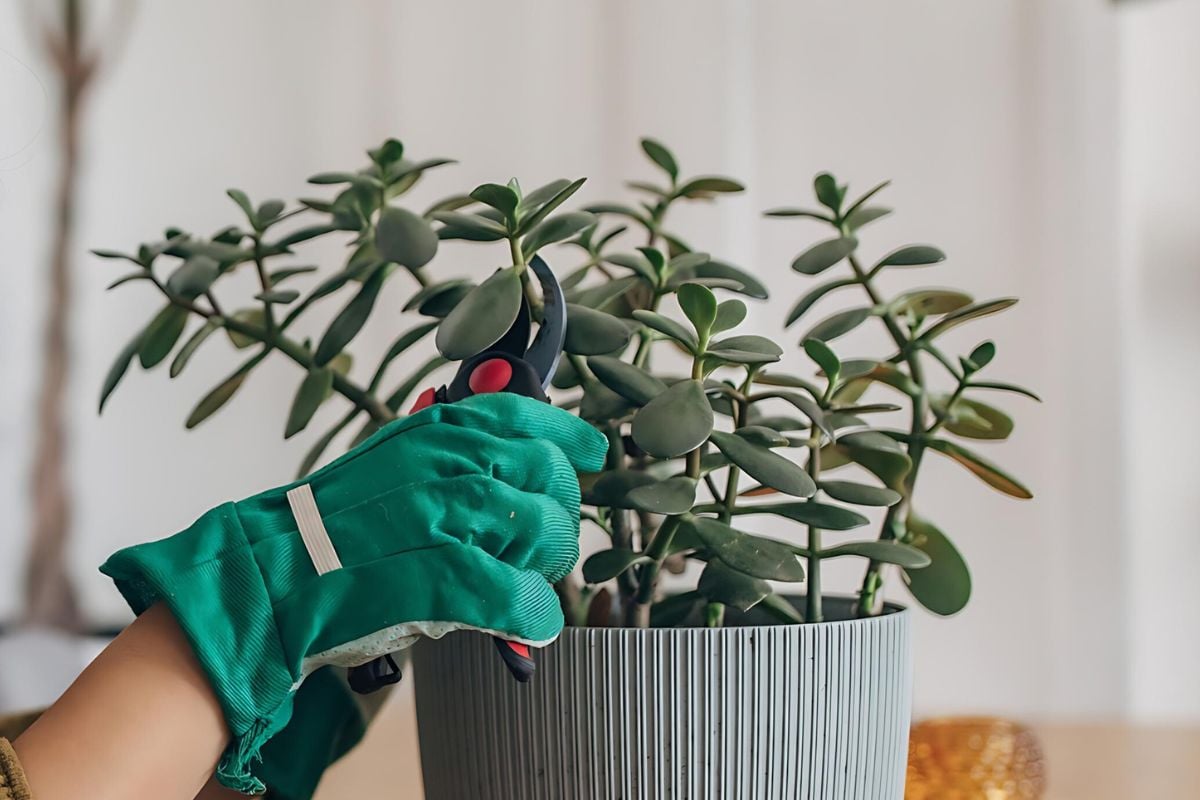
- Prune overlapping and unruly branches to improve air circulation. Dense foliage can trap unwanted moisture and promote pest infestations or pathogen growth. Thinning dense foliage is one way to increase airflow and prevent high humidity problems like mold and pests. Use a sterile knife to cut unwanted branches or offshoots. Make sure to slice them neatly until the wound is flush with the stem or trunk to avoid unsightly bumps. Brush the wound with cinnamon powder to prevent infection.
- Switch on a dehumidifier or an electric fan to improve ventilation and manage humidity levels around your houseplants. Keep them at least 2 feet (0.6 m) away from your plants if the humidity is too high. Measure the humidity at 1-hour intervals, and switch off the device once the level is within optimal range.
- Open windows or doors if the outdoor temperature and humidity are moderate. This can naturally reduce the muggy feeling indoors.
Optimizing Humidity
The changing seasons can influence indoor humidity. You can monitor the humidity using a hygrometer to keep it within optimal levels for jade plants.
Light intensity, watering frequency, and temperature conditions can influence how humidity fluctuations can affect plant health.
Remember these parameters to maintain a suitable indoor environment for jade plants:
Light
Give your plant 4 hours of direct morning sun or at least 8 hours of bright indirect light daily. Rotate the pot by 90-180° weekly or every time you water your plant to avoid sun stress or legginess and promote balanced growth.
Depending on the local climate, some summers can be hot and dry. Intense sunlight and low humidity can increase the risk of heat and sun stress, possibly leading to dehydration. Maintaining moderate indoor humidity levels (30-50%) is crucial to alleviating sun stress.
Water
Jade plants need more frequent watering during the growing season in spring and summer. Water your plant as soon as the top half or ⅔ of the potting mix is dry. You can reduce the frequency during the cold season by letting the top ⅔ dry out between watering sessions.
Avoid overwatering, as it can lead to serious problems for jade plants, which close their stomata during the day and transpire only through leaf cuticles. The amount of moisture lost through cuticular transpiration is only a fraction of what they release at night through their stomata.
At high humidity, the plant’s inability to release the excess moisture through transpiration can increase the risk of root rot. The plant will try to expel the water through guttation. Wet leaves will then increase the risk of fungal growth, such as powdery mildew.
Temperature
Maintain moderate temperatures of 65-75 °F (18-24 °C) around jade plants.
Higher temperatures in the summer typically result in higher humidity levels if there’s poor air circulation indoors. Jade plants normally transpire more to cool down during hot weather. However, high humidity will reduce their transpiration rate.
The wet and oversaturated leaves will then expel the excess moisture through guttation.
Placement Considerations
The best spots for jade plants include the following:
- Right next to an unobstructed eastern window for gentle morning sun
- Around 5 feet (1.5 m) from a sunny southern window. You can filter intense sunlight with sheer curtains at midday.
- Up to 8 feet (2.4 m) from a sunny window for at least 8 hours of bright but indirect light
- Any spot with insufficient light can be supplemented with full-spectrum grow lights for 12-16 hours daily
On the other hand, here are the places to avoid when choosing your plant’s position:
- Spots along the path of hot or cold air from heating or cooling vents
- Areas with fluctuating temperatures or cold drafts from open doors or windows
- Rooms with fluctuating humidity levels, such as bathrooms, laundry rooms, and kitchens
Seasonal Adjustments
It’s ideal for jade plants to maintain a humidity level between 30 and 50% all year round. However, you must tweak the other parameters to replicate the seasonal changes in their native habitat.
Here’s how:
Spring Care
You can place jade plants next to an unobstructed window if the light intensity and temperatures in your area are moderate. You may even keep the windows open if nighttime temperatures don’t fall below 60 °F (15.6 °C).
Summer Care
As temperatures rise in the summer, you may consider moving the plant a few feet (+ 0.6 m) away from a sunny window to prevent sunburn or dehydration.
If the leaves start turning red and becoming wrinkly, it may help to raise the humidity closer to 50%.
You may also need to water your plant more frequently to compensate for rapid moisture loss from plant consumption and evaporation. Make it a habit to check the soil moisture about a week after watering.
Fall and Winter Care
Move the plant a few feet (+0.6 m) farther from a bright window to reduce the daylight hours and mimic the longer, cooler nights in their native environment. You may also reduce the humidity closer to 30% to replicate dryer conditions.
Companion Plants
Several popular houseplants share similar humidity and care requirements with jade plants.
Here’s a list of perfect companions for jade plants:
Aloe Vera
Aloes (Aloe vera) are sun-loving succulents and require infrequent watering, so you can keep them on the same care calendar as jade plants. They also transpire at night, making them a fuss-free neighbor for other succulents.
Moreover, the stark contrast between an aloe vera’s prickly foliage and a jade plant’s egg-shaped leaves can provide an exciting diversity to your indoor garden.
Gardenia
Gardenias (Gardenia spp.) are flowering plants famous for their fragrant white blooms. They have light and temperature needs similar to those of jade plants.
Since they’re non-succulent, they can benefit jade plants with a humidity boost as they transpire during the day. Their flowers can also add life to a predominantly green garden. In return, jade plants can slightly boost the humidity around gardenias at night.
Lipstick Echeveria
Lipstick echeveria (Echeveria agavoides) is another sun-loving succulent famous for its red leaf tips when exposed to direct sunlight for too long. It grows only up to 6 inches (15 cm) tall, so it can benefit from the shade from taller companions like jade plants.
For a visually appealing arrangement, I’ve tried growing a few lipstick echeverias around a jade plant in the same pot. They require the same soil and moisture. They also have a shallow root system, so there wasn’t any serious problem with entangled roots.
Final Thoughts
A jade plant has simple humidity requirements and will thrive with average levels in most homes.
Inadequate humidity levels may indirectly harm jade plants by exacerbating the damage caused by watering problems, incorrect light intensity, and extreme temperatures. Conversely, moderate humidity (30-50%) can help mitigate the damage.
Check out and try the tips discussed in the article to help your jade plants thrive. You may also reach out for questions or share practical insights that broaden our knowledge about jade plant care.