
Temperature Requirements for Fiddle Leaf Figs Explained
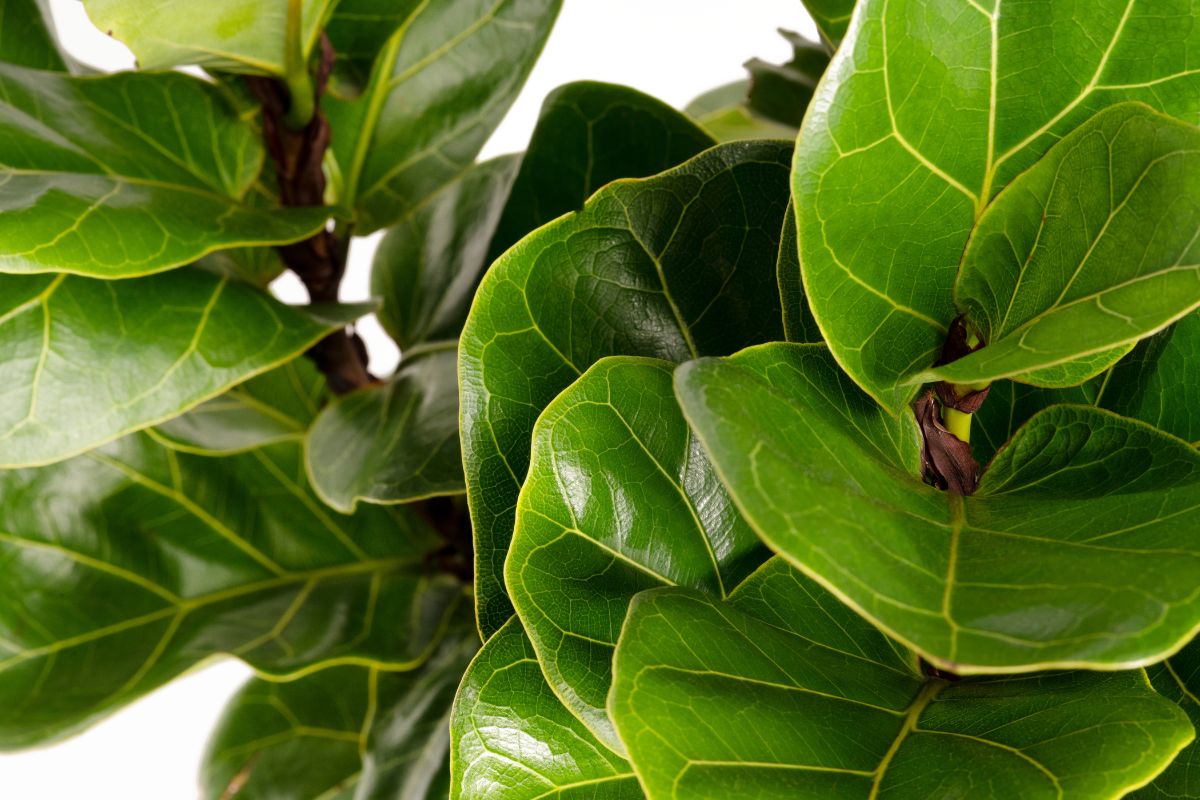
Fiddle leaf figs are iconic houseplants known for their dramatic, glossy leaves and architectural presence. Maintaining proper temperatures and environmental conditions is vital for their growth and health.
Below are important considerations for a fiddle leaf fig’s temperature requirements:
- Fiddle leaf figs thrive at indoor temperatures between 65 and 75 °F (18 and 24 °C).
- A 10 °F (5-6 °C) difference between daytime and nighttime temperatures is ideal for optimal health.
- Drastic and extreme fluctuations in temperatures throughout the day can lead to stress, causing droopy or falling leaves.
- Prolonged exposure to temperatures over 86 °F (30 °C) can increase the risk of sunburn and dehydration.
- Exposure to cold snaps or temperatures below 32 °F (0 °C) can cause chill injury, leading to mushy leaves and stems, brown or black leaf spots, and leaf drops.
Although fiddle leaf figs can tolerate slight variations, extreme temperature changes can lead to significant health issues. As such, the rest of the article will discuss how to provide the ideal temperature conditions for indoor fiddle leaf figs.
Native Conditions and Indoor Adaptation
Fiddle leaf figs (Ficus lyrata) naturally grow in tropical rainforests in Central and West Africa, where they’re exposed to frost-free conditions and warm temperatures around 68 °F (20 °C) during the cool months and over 86 °F (30 °C) during the hottest months.
In their native habitat, fiddle leaf figs can tolerate warm to hot temperatures because of the following environmental and physiological conditions:
- Water: Abundant rainfall of up to 80 inches (200 cm) annually keeps fiddle leaf figs well-hydrated and resistant to heat stress, even during the hottest months.
- Light: Juvenile trees with underdeveloped leaves and roots receive dappled shade from taller trees. Mature trees, on the other hand, can reach around 50 feet (15 m) tall and receive full sun (over 8 hours of direct sunlight). Their extensive roots can access and store moisture to keep the leaves hydrated and tolerant to intense heat and light from the sun.
- Humidity: The relative humidity in tropical rainforests averages 70%. Humid conditions reduce moisture loss from the broad FLF leaf surface through evapotranspiration, effectively mitigating the effects of heat stress.
Interestingly, fiddle leaf figs cultivated in indoor gardens in colder regions don’t require tropical conditions identical to their native habitat.
I once asked my local gardening store and found that store-bought fiddles are typically sourced from local plant nurseries or greenhouses or imported from Florida, making them more adaptable to indoor conditions in the U.S.
However, fiddle leaf figs grown in the U.S. are still frost or chill-sensitive. The lower humidity levels indoors and limited soil space in pots contribute to their sensitivity to temperature swings and drafts. I’ll discuss this further below.
Temperature Requirements
Indoor fiddle leaf figs have moderately strict temperature requirements to keep the leaves looking their best.
Let’s explore the details below:
Ideal Temperature Range
Fiddle leaf figs (FLFs) can tolerate indoor temperatures ranging from 65-85 °F (18-29 °C), which are similar to their native environment. However, it’s best to keep indoor fiddles in temperatures between 65 and 75 °F (18 and 24 °C) for optimal health.
Differences of over 10 °F (5-6 °C) between daytime and nighttime temperatures can cause rapid changes in the cellular membrane structure of chill-sensitive plants like fiddle leaf figs, especially when temperatures drop below 55 °F (13 °C) at night.
Structural changes in plant cells can inhibit proper ion movements and cellular activities that help maintain vibrant leaves. As a result, the leaves may appear droopy, limp, or even develop brown spots or edges from sudden and extreme temperature fluctuations.
The leaves of potted indoor FLFs have a low tolerance to temperature fluctuations outside their native habitat because of the following environmental and potting conditions:
- Low soil volume for insulation: The soil normally insulates plant roots to keep them alive despite visible shoot damage. Due to the limited soil space in pots, FLF roots are highly susceptible to fatal damage after a chill injury. Similarly, low soil volume allows rapid evaporation, exposing the roots to higher risks of heat stress when the plant is exposed to hot conditions.
- Irregular watering: Soils in pots dry out more quickly than those in the ground, weakening a plant’s defenses against heat stress and cold shock. Since fiddle leaf figs are tropical evergreens that don’t normally go dormant in winter, they still require proper and regular watering in the fall and winter (although less frequently compared to spring and summer) as the leaves continue to lose moisture through transpiration.
- Incorrect lighting: Too much direct sunlight (i.e., from a south-facing window) can burn FLF leaves. Coupled with intense heat, such as at the peak of summer, the leaves can dry out quickly, turn brown, and fall off.
- Lower relative humidity: The Environmental Protection Agency (EPA) recommends maintaining indoor relative humidity at 30-50% for optimal human health since levels above 60% can encourage mold growth. Fiddle leaf figs can be acclimatized to moderate humidity indoors. However, they’ll be more vulnerable to dehydration if exposed to intense sunlight, heat stress, and underwatering.
Measuring Temperature
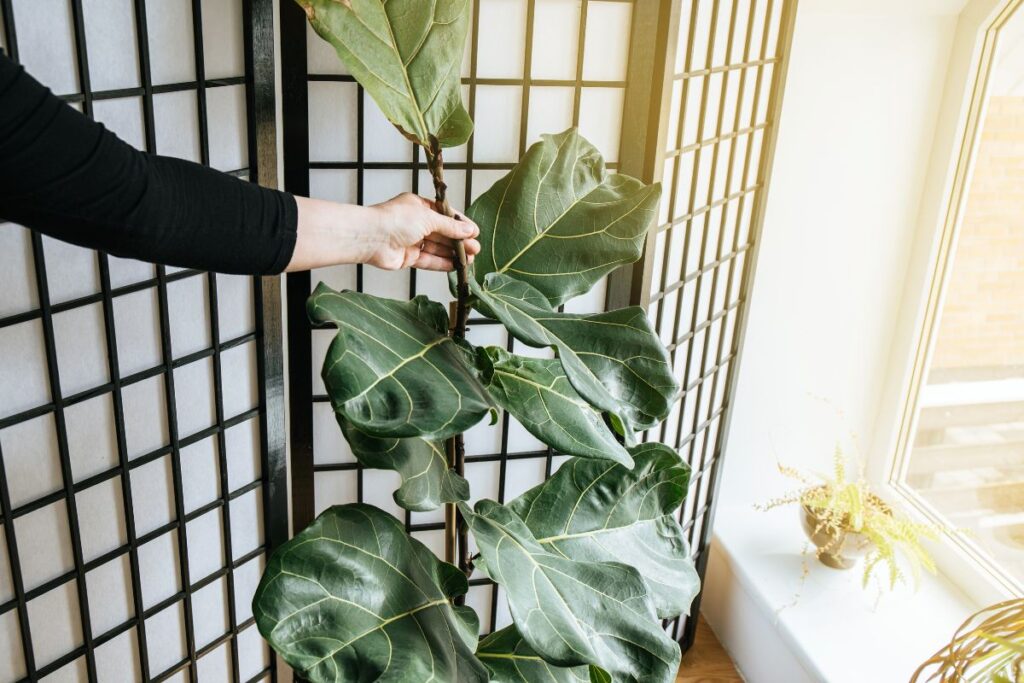
Fiddle leaf figs (FLFs) may droop or wilt due to fluctuating or extreme temperatures and low humidity.
You can quickly identify or rule out temperature and/or humidity issues using a wall-mounted thermostat with a hygrometer in your indoor garden. Alternatively, you may use a portable thermometer and hygrometer to check readings near your FLFs.
It’s important to monitor weather patterns using smart weather apps and take precise temperature measurements during seasonal shifts to decide how to make the transition less stressful for fiddle leaf figs (i.e., moving the plant outdoors in the summer and back indoors in the fall).
Signs of Inadequate Temperature
Fiddle leaf figs prefer stable temperatures and may have droopy leaves when temperatures fluctuate too often. They typically have different responses to extreme temperatures.
Let’s explore the details below:
Heat Stress
The hottest season in West and Central African rainforests can sometimes reach 86-100 °F (30-38 °C) in July. The negative effects of high temperatures are mitigated by the extended rainy and humid season that typically lasts from March to October.
On the other hand, indoor fiddle leaf figs in colder climates like the U.S. are dependent on human intervention for their moisture needs, making them less tolerant to high temperatures.
Prolonged exposure to temperatures over 86 °F (30 °C) can cause heat stress in indoor potted FLFs with the following symptoms:
- Drooping leaves
- Brown, dry, and crisp leaf edges
- Curling leaves
- Darkened, scorched spots on sun-exposed leaves
- Dehydration and wilting despite regular watering
- Leaf drop
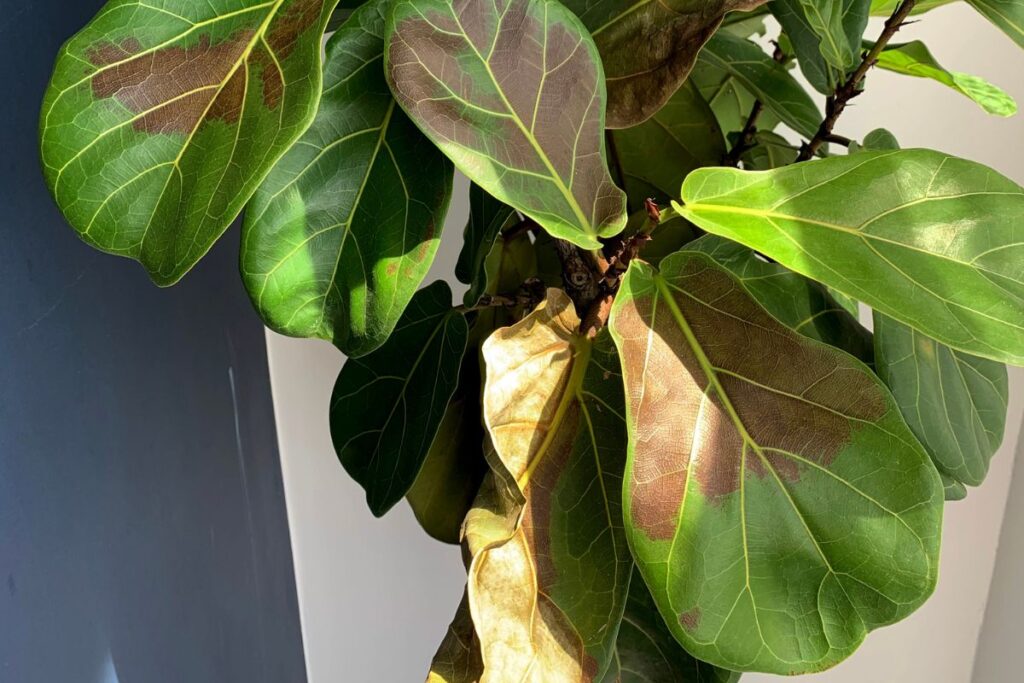
Here are some tips to fix the problem and prevent further stress on your fiddle leaf fig:
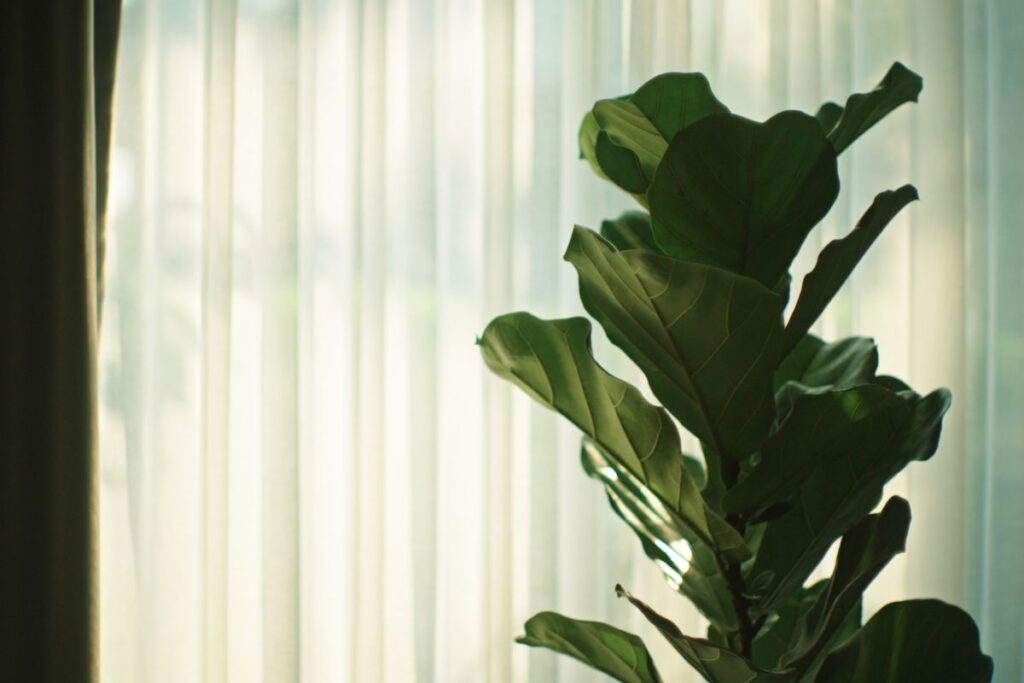
- Reduce light exposure: Move the plant a few feet (+0.6 m) away from a sunny window into a spot that receives bright, indirect light. Alternatively, draw some sheer curtains at midday if your plant is receiving too much direct sunlight. Also, rotate the pot every week or before watering to prevent sun damage and ensure even light exposure and balanced or bushy growth.
- Avoid relocating the plant drastically: Fiddle leaf figs may be shocked from sudden exposure to warmer temperatures and show stress symptoms. However, I recommend making gradual changes when treating heat stress to give your plant some time to adapt to the warmer environment. For instance, move your plant only 1-2 feet (0.3-0.6 m) closer to the new location every week.
- Rehydrate the plant: Inspect the soil moisture using your fingers or a wooden chopstick. If the soil is dry at least two knuckles (2 inches or 5 cm) deep, water the plant deeply. You may also use a moisture meter and water the plant when the reading shows 4.
- Maintain moderate humidity: Using a hygrometer, check the humidity around the fiddle leaf fig. Switch on a humidifier for about 4 hours during the driest part of the day to keep the humidity at around 50%. Position the device about 2 feet (0.6 m) from the plant for faster results and gradually move it further away once you achieve the desired reading on the hygrometer. Note: Avoid misting, as it doesn’t significantly boost the humidity around your FLF. Excess moisture on the leaves can also invite pathogens, leading to microbial infections.
- Ensure the plant is not in the path of hot air from heating vents: Indoor heaters during fall and winter can raise the temperature and dry out the air around your fiddle leaf figs.
- Choose an area with moderate and stable temperature and humidity: Avoid kitchens or bathrooms. Activities like boiling water or hot baths can cause temperature spikes and dips that can stress fiddle leaf figs.
- Regulate indoor temperatures: Switch on fans or air coolers during hot summer days to lower the temperature in the room and monitor the changes using a thermometer. Avoid placing your fiddle leaf figs in the wind or cold air path to prevent chill injury.
Chill Injury or Cold Shock
Fiddle leaf figs can tolerate temperatures as low as 55 °F (13 °C) but will noticeably grow more slowly.
I usually let nighttime temperatures drop to around 60-65 °F (15.6-18 °C) in my home during winter for better sleep and reasonable energy/fuel costs. I find that these temperatures also have worked well for my fiddle leaf figs, and they hardly shed leaves during winter.
Prolonged exposure to temperatures below 55 °F (13 °C), such as from drafty windows or cooling vents, can stress fiddle leaf figs and lead to the following symptoms:
- Drooping leaves
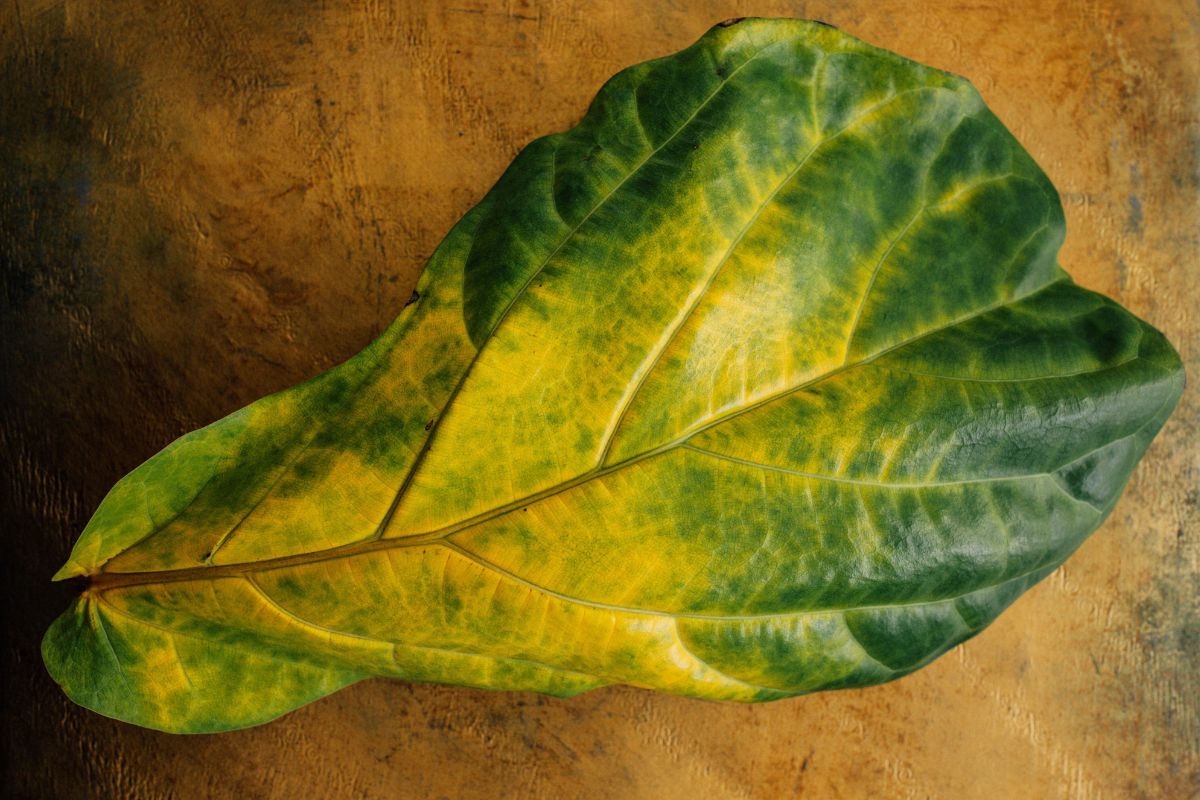
- Yellowing leaves
- Sudden leaf drop
- Slower growth in the spring
Cold snaps or freezing temperatures (32 °F or 0 °C), on the other hand, can trigger rapid responses in fiddle leaf figs. I once left my potted fiddles outdoors for too long after summer, and a cold snap in the fall destroyed the leaves almost entirely overnight.
Freezing temperatures can lead to chill injury with the following symptoms:
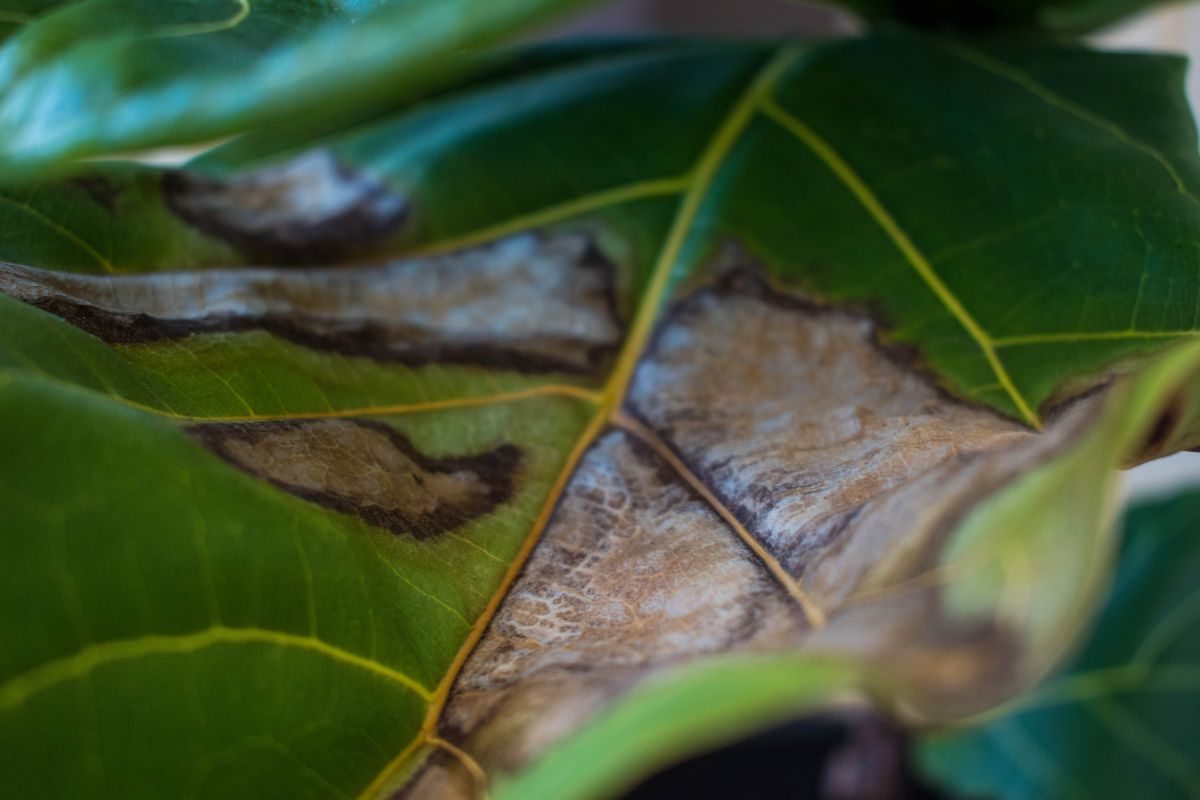
- Brown, mushy spots on the leaves that spread to the edges
- Mushy branches and stems
- Significant leaf drops
You can treat minor symptoms of chill injury and prevent further damage with these tips:
- Prune damaged leaves: Prune yellowing leaves using sterile pruning shears or scissors. Limit pruning to 1-2 leaves per week to prevent further stressing the plant. Collect all fallen leaves and properly dispose of them to remove potential hiding spots for pests in the soil.
- Protect your plants from the cold: Keep windows closed to prevent cold drafts or move your fiddle leaf figs away from cooling vents.
- Improve light conditions: Keep the plant in bright, indirect light for at least 8 hours daily. Wipe the leaves weekly with a clean, damp cloth to remove dust and dirt for optimal light access for photosynthesis. Pro tip: Clear the windows of dust or snow regularly to maximize the amount of natural light that enters your home garden.
- Water the plant sparingly: Wait until the top half of the soil is completely dry before watering during winter. In spring, water the plant deeply when the top ⅓ or 2 inches (5 cm) of the soil dries out.
- Fertilize the plant in spring: Dilute a 3-1-2 liquid fertilizer to half the recommended strength and apply it every time you water the plant to promote growth. Gradually increase the application interval in the summer (i.e., feed every other time you water the plant) and stop fertilizing in the fall.
If the fiddle leaf fig has lost most of its leaves from chill injury, follow these steps to check if the plant can still be saved:
- Firmly squeeze the branches or stems downward to find the remaining healthy sections. Chill-damaged branches feel mushy, whereas healthy ones feel hard or firm.
- Slice or cut off the mushy section using a sterile knife or pruning shears.
- Inspect the inner layer of the branch/stem. A greenish-white core indicates good health. Conversely, brown or black spots on the tree indicate rot or damage from the cold.
- Sterilize the blade with rubbing alcohol and a damp cloth, and continue slicing downward about an inch (2.5 cm) at a time to find where the rot ends.
- After locating a healthy section, make a final cut about a half inch (1.3 cm) above a node to promote branching and healthy new growth.
- Brush some cinnamon powder over the stump to prevent bacterial or fungal infections.
- Give the plant bright indirect light, moderate temperatures (65-75 °F or 18-24 °C) and humidity (around 50%). You can position a space heater at least 2 feet (+ 0.6 m) away from your houseplants. Monitor the temperature and humidity in your garden to determine the optimal distance of the space heater. If heating dries out the air, you may switch on a humidifier or place a few buckets of water around your houseplants.
- Water the plant deeply only when the soil is dry, about ⅓ deep. Avoid overwatering during the cold season to prevent other potentially fatal issues like root rot.
Note: If the stem has become spongy all the way down to the last node with leaves, the fiddle leaf fig is most likely dead. Even if the roots somehow manage to survive, it will be unlikely for the plant to bounce back healthily.
It’s best to invest in a new and healthier plant than trying to revive a sickly fiddle leaf fig because it can take so much time and effort to heal the damage caused by chill injury.
Here’s a summary of the temperature-related stress symptoms in fiddle leaf figs and their corresponding remedies or management:
| Issue | Symptoms | Remedy/Management |
| Heat Stress Prolonged exposure to over 86 °F or 30 °C |
|
|
| Chill Injury or Cold Shock Mild: Prolonged exposure to temperatures below 55 °F (13 °C) but above freezing Severe: Overnight exposure to 32 °F (0 °C) | Mild:
|
|
Optimizing Temperature Conditions
Controlled environments, like in the case of greenhouses and tropical plant nurseries, offer perfect conditions for fiddle leaf figs. In contrast, homes experience fluctuations. Still, mild temperature variations are manageable with proper care.
Follow the guidelines below to provide the best indoor environment for fiddle leaf figs:
Proper Placement

It’s important to consider the environmental conditions in your indoor garden before selecting a spot for your fiddle leaf figs. As discussed, light and humidity conditions influence how well your plant can tolerate occasional temperature dips or spikes.
Here are the factors to consider to find the sweet spot for fiddle leaf figs in your home:
- Optimal light conditions: Indoor FLFs thrive in a spot with bright indirect light for at least 8 hours daily, which is usually available 4-8 feet (1.2-2.4 m) away from an unobstructed south-facing window. Older plants with established roots and lush, deep green foliage can handle up to 4 hours of direct morning sun right next to an east-facing window.
- Protection from cold: Keep the plant away from chilly drafts during winter. Seal the sides of the windows with foam to prevent cold wind from getting through cracks or openings. You may also hang insulated curtains on the sides of the window to let sunlight and heat into your home during the day. Draw the curtains at night to trap the warmth indoors.
- Avoiding heat stress: Place the plant in bright, indirect sunlight and avoid locations with intense midday or afternoon sun. In addition, ensure the fiddle leaf figs aren’t in the path of hot air from heating vents.
- Avoiding spots with unstable conditions: Humidity and temperature levels fluctuate significantly in kitchens, bathrooms, and laundry rooms, especially when using hot water (i.e., cooking, hot showers, laundry). Keep your fiddle leaf fig away from these areas to avoid unstable temperatures.
Seasonal Changes and Outdoor Considerations
Due to the seasonal changes in temperature in colder climates, indoor fiddle leaf figs require corresponding adjustments in care and environment to maintain the health and appearance of the leaves.
Here’s a brief guide detailing the recommended transitions in the care routine:
| Care/Environment | Spring and Summer | Fall and Winter |
| Light | Higher temperatures during summer can make fiddle leaf figs more vulnerable to heat stress, so it’s crucial to prevent sun stress. Ensure at least 8 hours of bright, indirect light daily. If the FLF is receiving direct morning sun, draw sheer curtains at midday to filter intense sunlight, especially in the summer. Rotate the pot by 90-180° weekly or right before watering for balanced and healthy growth. | Lower temperatures during the cold season can make fiddle leaf figs more tolerant of brighter light. Give your plant as much bright, indirect (natural) light as possible during darker months or cloudy days to maintain the plant’s vigor and prevent legginess. Supplement the FLF’s light needs using full-spectrum grow lights. Position the lamps at a 45° angle about 6-12 inches (15-30 cm) above the plant to illuminate the lower leaves. Keep the grow lights on for around 6 hours after sunset. |
| Water | Higher temperatures promote more active metabolism and rapid moisture loss through evaporation and transpiration. Water the soil when the top 2 inches (5 cm) or ⅓ of the soil dries out. Don’t let the soil become bone dry, as it can cause hydrophobic conditions, dehydrating the plant and increasing the risk of heat stress. Water the soil directly using a watering can with a narrow spout to rehydrate the root zone evenly. | Reduce the watering frequency to avoid overwatering issues since fiddle leaf figs become less active metabolically during the cold and dark seasons. The soil also dries out more slowly. Allow the top ⅓ or ½ of the soil to dry out completely between watering sessions. |
| Temperature | Maintain temperatures at around 75 °F (24 °C) during the day and around 65 °F (18 °C) at night. You can open the windows during mild weather in spring and early summer to let the warm air in. Hang sheer curtains in mid to late summer. | Keep the windows closed during fall and winter to prevent cold drafts from stressing the plant. Open the curtains during the day to allow natural light and heat into your home. Close the insulated curtains at night to trap the warmth indoors. I recommend keeping nighttime temperatures above 55 °F (13 °C). Use space heaters as needed. |
| Humidity | Maintain the humidity at 40-60% all year round. Switch on a fan during hot and humid summer days to bring the temperature and humidity down to optimal levels. | Switch on a humidifier for up to 4 hours during the driest part of the day, especially when indoor heaters dry out the air. |
| Fertilizer | Feed the plant a half-strength 3-1-2 liquid fertilizer in early spring to jumpstart the metabolic activities that promote more active growth during the warm season. Apply the fertilizer every other time you water the plant. If there are signs of nutrient deficiency (i.e., interveinal chlorosis), feed the plant every time you water until summer. | Gradually increase the interval between feedings by late summer and stop feeding the fiddle leaf fig in the fall and winter. Lower temperatures, light intensity, and watering frequency cause lower metabolic activity so the nutrients will remain in the soil and may cause salt stress. |
| Pruning | Prune the aging (yellowing) or browning leaves during the growing season. Limit pruning to up to 20% of the foliage volume, and give the plant 2-4 weeks before pruning again. Pruning can improve air circulation and help FLFs cool down during hot summer days. | Prune only 1-2 leaves per week and only as needed because lower metabolic activities during the cold season can delay a fiddle leaf fig’s recovery from pruning wounds. |
| Routine Inspection and Maintenance | Dust the leaves every 1-2 weeks to allow maximum light exposure. While dusting, inspect the plant for early signs of stress, such as drooping, yellow or brown leaf spots, and pests. | Dust the leaves and wipe the windows regularly for optimal access to natural heat and light from the sun. |
Outdoor Considerations
To promote more robust growth, it’s also a good idea to bring your potted fiddle leaf figs outdoors during the warm season.
Pro tip: Indoor fiddle leaf figs that receive a few hours of direct sunlight indoors have better tolerance to outdoor conditions. Those that grow in bright indirect light or under artificial lights are more likely to be affected by heat stress and sunburn.
Here are practical tips for a smooth and stress-free transition:
- Check the forecast for the last spring frost. Avoid moving your fiddle leaf fig outdoors when there’s still a threat of frost, as it can cause chill injury. Wait until nighttime temperatures remain steadily above 60 °F (15.6 °C) in mid to late spring.
- Set up the plant for easy transport: I recommend placing the pot on a plant caddy to roll the plant outdoors and back indoors as needed easily.
- Mulch your plant before moving it outdoors. Place about 1-2 inches (2.5-5 cm) of organic mulch, like compost or pine bark, to maintain comfortable soil temperatures and prevent rapid moisture loss. The mulch layer can also protect the roots when nighttime air temperatures unexpectedly fall to the lower 50s °F (10 °C).
- Acclimatize the plant to outdoor conditions. Place the pot in a spot with afternoon shade outdoors for an hour a day for 5-7 days and observe any changes in the appearance of the leaves. If the leaves start drooping or turning yellow, avoid moving your plant outdoors. Otherwise, you can gradually increase the duration by an hour per week until you can confidently leave the plant outdoors.
- Install shade covers during hot and dry days to filter the heat and light from the sun.
- Water your plant regularly. Higher temperatures, brighter light conditions, and wind can dry out the potting soil more quickly, even with mulch. Check the soil moisture regularly and water the plant deeply when the soil’s top 2 inches (5 cm) dries out. I usually water my outdoor fiddles every 3-7 days in the summer.
- Monitor nighttime temperatures closely. Bring the plant indoors if they’re expected to fall below 60 °F (15.6 °C).
Companion Plants
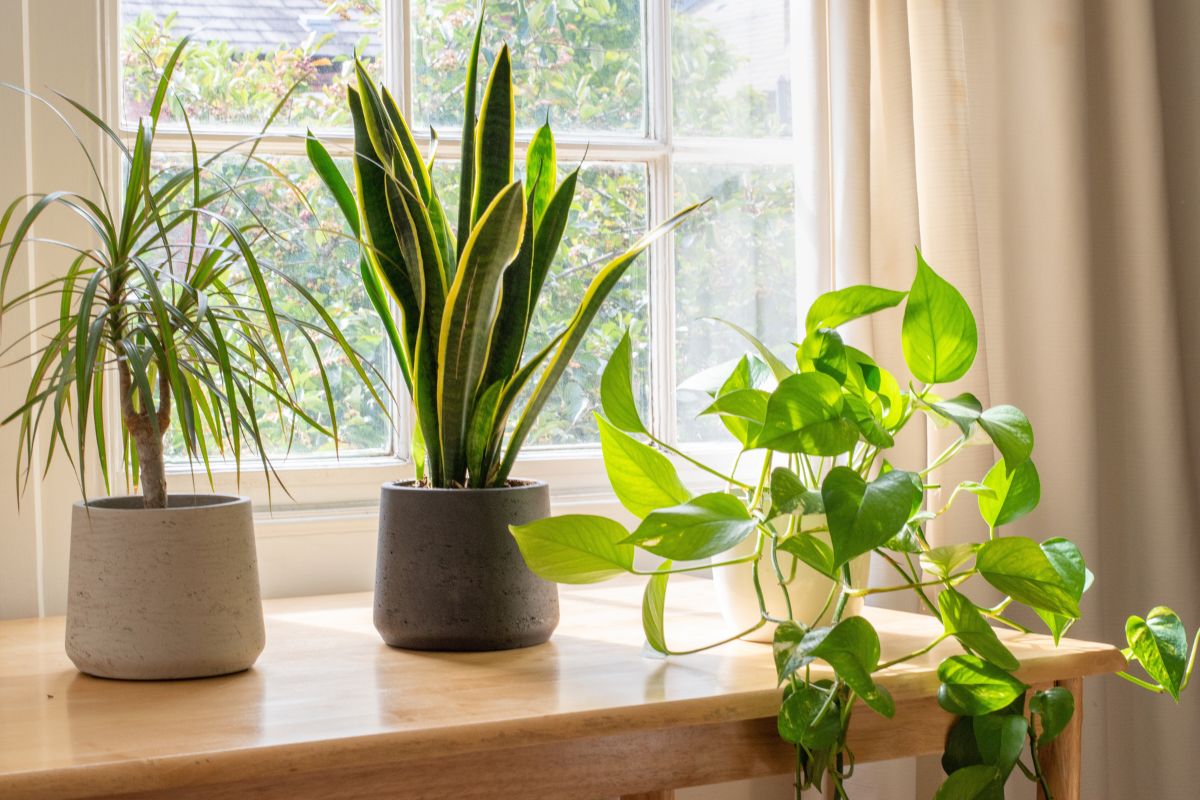
Fiddle leaf figs share a symbiotic relationship with many equally famous houseplants, as they share similar indoor care requirements and create a cohesive aesthetic.
Here are excellent companions for indoor fiddle leaf figs:
- Monstera (Monstera deliciosa) are also tropical and moisture-loving plants that share near identical care needs as fiddle leaf figs. If you’re a fan of houseplants with large, flashy leaves, I strongly recommend FLFs and Monsteras.
- Rubber Plants (Ficus elastica) belong to the same genus as fiddle leaf figs and also share similar environmental requirements. However, be sure to isolate them for up to 8 weeks before placing them together in the same room to prevent the spread of common Ficus diseases.
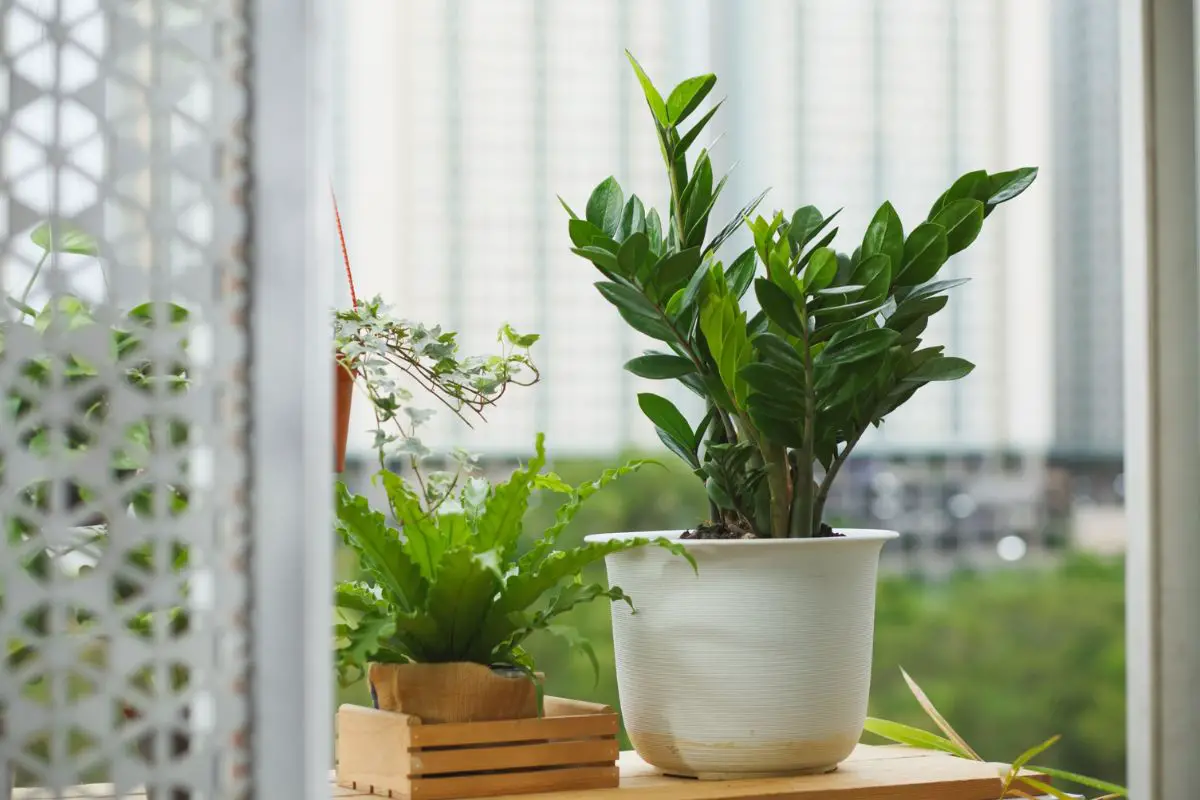
- ZZ Plants (Zamioculcas zamiifolia) are adaptable indoor plants that thrive in similar environmental conditions as fiddle leaf figs. Due to their low moisture requirements, ZZ plants occasionally undergo crassulacean acid metabolism (CAM). As a result, they take in carbon dioxide and transpire at night, lightly raising the humidity around them.
Final Thoughts
A fiddle leaf fig’s responses to improper and fluctuating temperatures discussed in the article may seem overwhelming. However, I assure you that you’ll be rewarded with a thriving and magnificent plant once you follow the practical tips.
Here are the key points to promote vibrant, healthy growth:
- Maintain moderate temperatures of around 65-75 °F (18-24 °C) around your fiddle leaf figs.
- Keep your plant away from drafty windows, cooling or heating vents, or areas with fluctuating temperatures, such as kitchens, bathrooms, and laundry rooms.
- Give your plant bright, indirect light to avoid sunburn and heat stress.
- Water your plant regularly during the warm seasons and less frequently during the cold seasons.
- Maintain moderate humidity of 40-60% all year round.
Although it’s a great idea to bring your fiddle leaf figs outdoors in the spring or summer for more robust growth, you may also keep them indoors all year round for a more stable environment and stress-free maintenance.
Monitor your plant’s condition actively and address early signs of temperature stress, such as droopy or limp leaves, to prevent severe or irreversible damage.
Please leave a comment to share your fiddle leaf fig care tips and experiences or ask questions for further guidance.