
Mushy Jade Plant Leaves and Stems: Causes, Symptoms, & Fixes
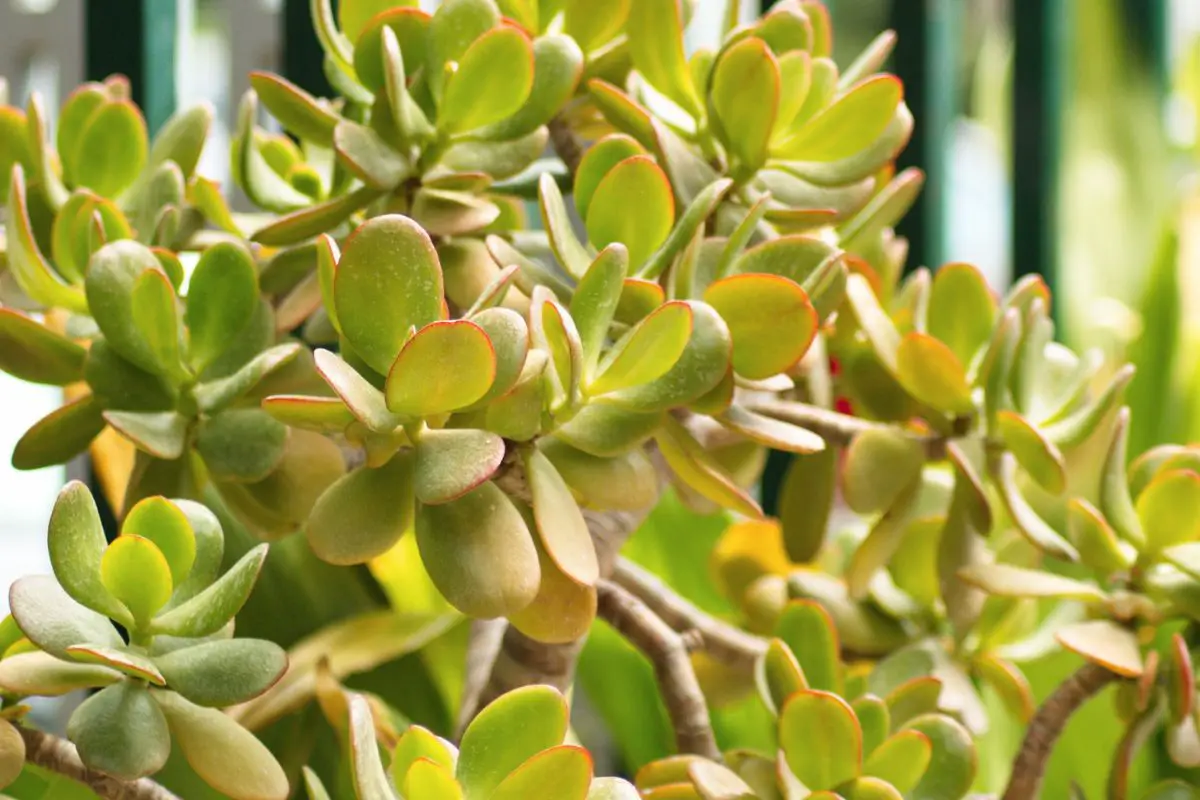
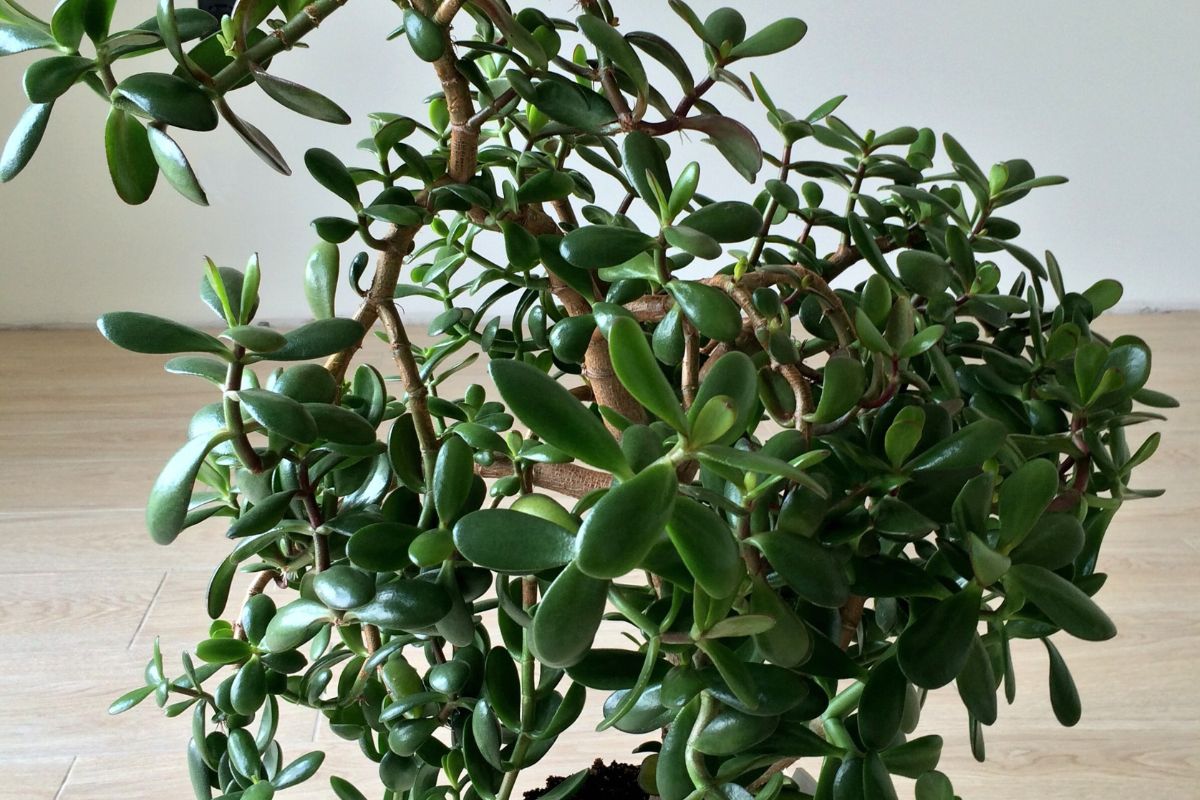
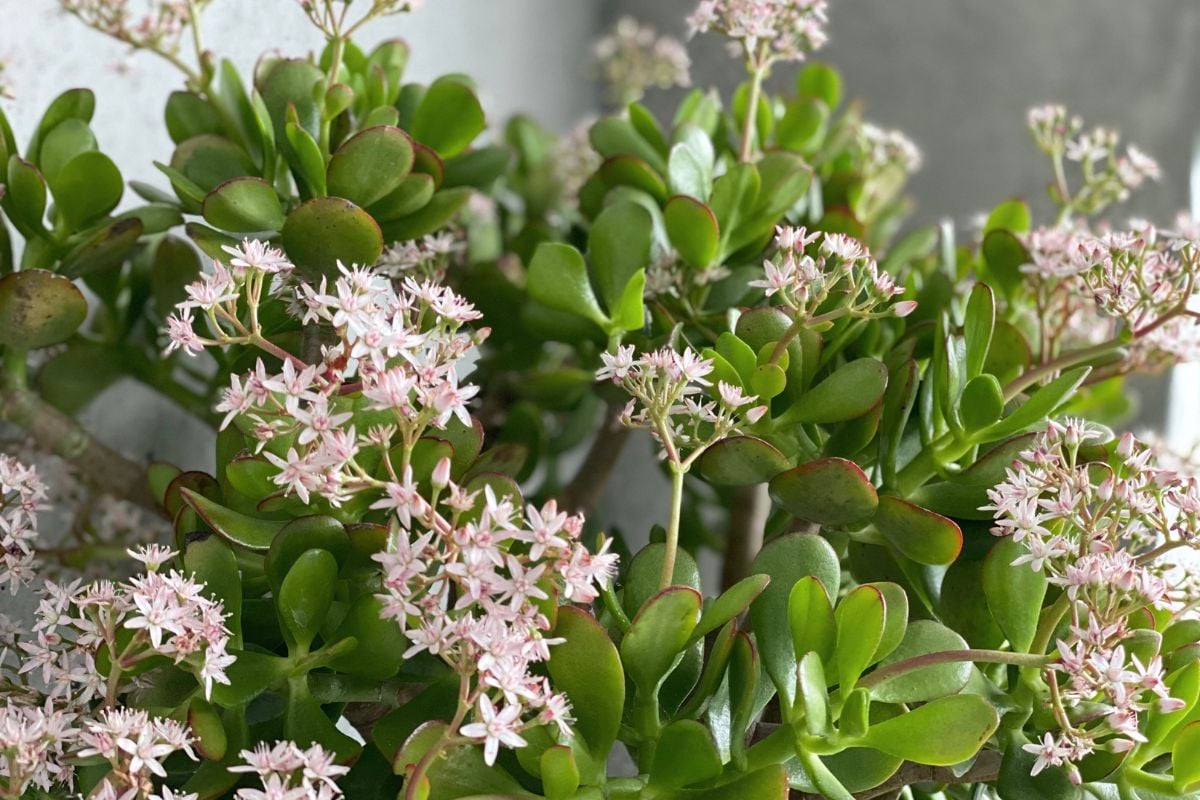
Jade plants are low-maintenance succulents known for their fascinating anatomy, including their compact form, plump, coin-shaped leaves, and sturdy stems. So, it can be alarming if they suddenly become mushy and collapse.
Mushy jade leaves and stems can indicate poor plant health due to the following reasons:
- Overwatering
- Root rot
- Bacterial soft rot
- Cold shock or chill injury
This article will explore the symptoms and causes in more detail and provide practical tips for fixing or preventing the problem.
Jade Plants: An Overview
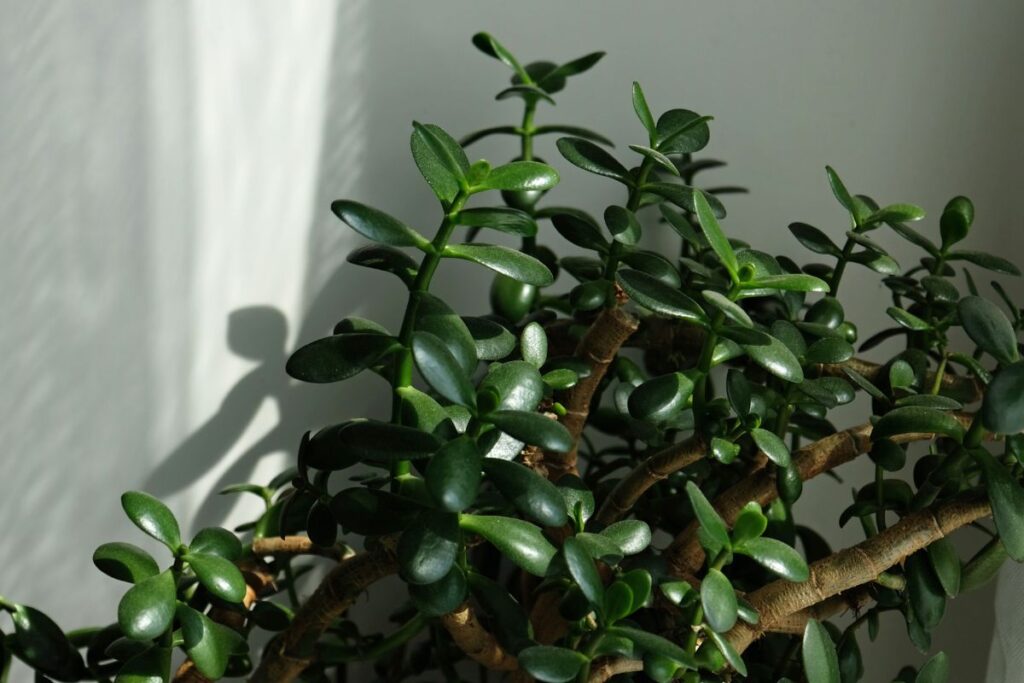
Jade plants (Crassula ovata) are predominantly from South Africa. Most species grow in arid regions with loose, sandy soil, infrequent rainfalls, and frost-free winters.
The dry conditions and moderate temperatures have influenced jade plants to evolve with the following traits:
- Succulent leaves: The coin-shaped, plump, and firm leaves have excellent moisture storage capacity. The collapsible and elastic cell walls can shrink or expand depending on the moisture content.
- Thick, fleshy stems that eventually become woody: The young stems are usually green and fleshy with a moisture-retaining capacity similar to the leaves. As the plant ages, the main stems or trunks develop a grayish-brown bark that helps keep them sturdy and upright to support the weight of the thickening foliage.
- Shallow, fibrous roots: The roots spread wide along loose soil to catch and absorb rainwater quickly as it falls to the ground. The primary purpose of the roots is to rehydrate the stems and leaves effectively. The shallow but expansive roots consequently help anchor the jade plant and keep the trunks upright.
These adaptations to their native environment have made jade plants into the drought-tolerant, low-maintenance houseplants that indoor gardeners enjoy today.
That said, indoor jade plants don’t respond well to dense soil and frequent watering. Constantly soggy conditions can damage plant cells and make the leaves and stems mushy.
Symptoms of Mushy Leaves and Stems
Mushiness often indicates mid- to late-stage problems with jade plant health. It may be preceded or accompanied by the following symptoms:
- Soggy soil
- Guttation
- Yellowing leaves
- Foul-smelling roots
- Fungus gnat infestation
- Leaf drop
As the symptoms progress, you will notice the following changes in the leaves and stems:
- Texture: The leaves feel soft, swollen, or slimy. The stems feel soft, weak, or spongy to the touch, often bending under their own weight, especially since jades tend to be top-heavy.
- Appearance: Some parts of the leaves may burst and create brown blisters. The blisters may turn black, indicating necrosis or rot.
- Odor: A foul odor may indicate decay or rot within the plant tissues.
Common Causes and Fixes
A few factors can cause jade leaves and stems to become mushy. However, all of them are serious issues that require immediate attention.
Let’s explore these causes below:
1. Overwatering
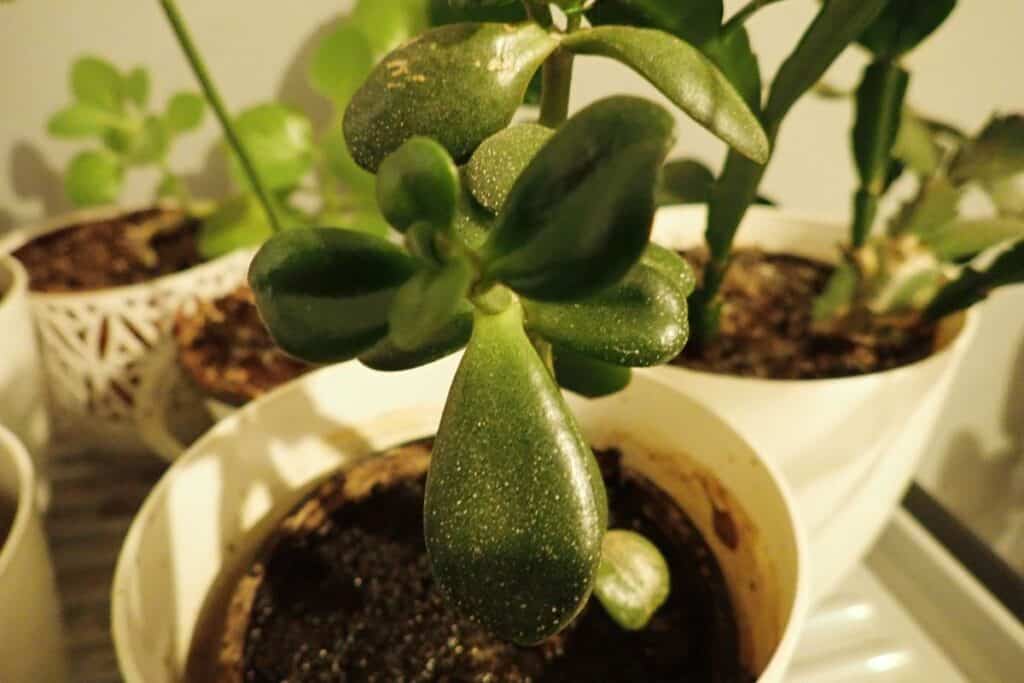
Poor soil drainage and frequent watering can lead to overwatering issues. If the soil remains wet, the roots will try to draw moisture to the leaves, releasing it as vapor through transpiration at night.
However, some environmental conditions can reduce a jade plant’s transpiration rate, including the following:
- Long periods of bright light or insufficient dark hours: Jade plants undergo Crassulacean Acid Metabolism (CAM), so their stomata close during the day to reduce moisture loss. While the stomata are closed, they release vapor through cuticular transpiration, which has a lower output. They need enough dark hours to release the excess moisture from the leaves through stomatal transpiration.
- Low temperatures: Plants transpire more at higher temperatures.
- High humidity: High moisture content in the air (vapor) can inhibit plant transpiration.
If the jade plant is unable to transpire properly, the following issues may occur:
- The soil surface remains wet or soggy several days after watering. The pot also feels heavy due to moisture retention.
- Fungus gnats hover around your plant to lay eggs on soggy soil.
- The leaves will try to release the excess moisture in liquid form through guttation, resulting in water droplets coming out of the hydathodes.
- The high root pressure can cause some cells to burst, especially in young leaves and stems without secondary cell walls.
- The tissues with burst cells become mushy or have brown blisters.
- Rot-causing fungi in the soil will actively reproduce, leading to fungal infections that can spread from the roots, stems, and leaves. Affected plant tissues decay and become black and mushy.
You can fix overwatering with the following tips:
- Prune the mushy leaves and stems using sterile shears to restore your plant’s appearance and encourage new, healthier growth.
- Give your plant 10-12 hours of darkness daily to encourage optimal metabolic and transpiration rates.
- Increase the interval between watering sessions. You can wait until the top half or ⅔ of the pot is completely dry before watering again.
- Check the soil moisture before watering using a wooden chopstick. Alternatively, you can use a moisture meter and water your plant when the reading shows 2-3 (dry).
- Repot your plant in a loose soil mix and breathable pot with drainage holes, especially if the old soil stays wet for too long or the pot lacks drainage. I’ll discuss the process in more detail below.
- Maintain moderate temperature (around 70 °F or 21 °C) and humidity levels (30-50%) around your jade plant to facilitate normal transpiration rates.
2. Root Rot
Prolonged or chronic overwatering may progress to root rot.
Here’s how:
- Waterlogged soil prevents the roots from accessing oxygen, inhibiting root growth and water or nutrient uptake.
- The roots can’t send moisture or nutrients to the stems and leaves, turning them yellow.
- Soil pathogens like rot-causing fungi and bacteria grow rapidly and feed on the roots, causing them to decay and become mushy and smelly.
- The pathogens spread from the roots to the stems and leaves and feed on plant cells.
- Affected plant tissues become soft, mushy, and necrotic.
If the rot is diagnosed early, you can still save your plant by repotting it with the following steps:
- Run a spatula along the edges of the pot to release the rootball and minimize damage to the roots.
- Wear disposable gloves.
- Carefully slide the rootball out of the pot and catch the plant with one hand.
- Detach as much soil as you can from the roots. You can use a wooden chopstick to poke holes and loosen the soil.
- Rinse the remaining soil off the roots with gentle running water.
- Inspect the roots and locate the rotten parts. Healthy roots should be light brown with white growing tips, whereas rotten roots are soft, black, mushy, and smelly.
- Cut all the roots using sharp, sterile scissors. Sterilize the scissors with rubbing alcohol and cotton balls between cuts.
- Prune the mushy leaves and stems to reduce the load the remaining roots have to support.
- Soak the roots in 1% hydrogen peroxide for 5-10 minutes to kill any remaining pathogens.
- Place the unpotted plant in a room with bright indirect light and moderate temperature and humidity for a week.
- Prepare a breathable pot with drainage holes to prevent overwatering and root rot from recurring. Ensure the pot is 2 inches (5 cm) wider and deeper than the rootball.
- Fill the pot’s bottom 2 inches (5 cm) with well-draining succulent soil. You can also use a compost-perlite mix for a balance in drainage and moisture retention that is suitable for jade plants.
- Place the plant over the soil and bury the roots an inch (2.5 cm) deep. Tamp the soil firmly to keep the plant upright and stable in the middle of the pot.
- Water the soil deeply until the excess comes out of the drainage holes. Wait until the soil is completely dry halfway through before watering again.
- Place the plant in bright, indirect light while the roots develop. Once you see signs of growth, such as new leaves, gradually move the plant to brighter light conditions.
On the other hand, if the rot has spread to the stems and leaves, you may try to find any healthy leaves from the terminal branches and propagate them.
Here are some tips:
- Look for plump and firm leaves without discoloration or blisters.
- Pinch the leaf with clean fingernails or cut it off using a sterile knife. Ensure there’s a bit of the node attached. Sterilize the knife between cuts using a cloth or cotton ball soaked in rubbing alcohol to prevent the spread of rot-causing pathogens.
- Leave the cutting overnight to form a callus in a cool room with moderate temperature and humidity.
- Prepare a shallow container about 2 inches (5 cm) deep.
- Fill the container with fresh succulent mix.
- Lay the leaves horizontally over the soil mix. Space them an inch (2.5 cm) apart.
- Spray the soil mix with filtered water until it’s evenly moist but not soggy.
- Place the cuttings in bright indirect light with moderate temperature and humidity.
- Moisten the soil every 1-2 days.
Root growth and new leaf buds should appear after 4 weeks or so.
3. Bacterial Soft Rot
Bacterial soft rot caused by Erwinia spp. is one of the few diseases that can turn jade leaves and stems mushy.
The bacteria can enter jade plants through wounds from pruning with contaminated tools. They may also infect the plant through the roots if the pot or soil has preexisting bacteria activated by soggy conditions.
The disease can spread quickly throughout the plant by invading the xylem and traveling upstream along with water.
As it spreads, it can cause the following problems:
- The bacteria destroys plant cell walls, causing the cells to collapse.
- Affected leaf or young stem tissues appear water-soaked or black and mushy.
- Woody stems or branches might not appear mushy while the inner layer decays. You can confirm the damage by squeezing the stem and if it feels spongy or hollow inside.
Bacterial soft rot has no known cure. Properly discard infected plants and contaminated potting soil to avoid spreading the disease. You may also need to sterilize the pot using 10% bleach.
4. Cold Shock or Chilling Injury
Jade plants are of tropical and subtropical origins, making them chill-sensitive.
Prolonged exposure to temperatures below 40 °F (4 °C) can damage them on a cellular level, causing the following symptoms:
- Soft and mushy leaves and stems
- Fleshy young stems droop and spill from the edges of the pot
- Woody stems may remain upright, but the inside feels spongy when squeezed
These symptoms are typical of cold shock or chilling injury, which occurs when jade plants are placed near drafty doors or windows during a freezing winter. They tend to manifest faster and be more pronounced with longer exposure to low temperatures.
Mushy leaves and stems can no longer be revived. However, there’s a chance that the lower part of the trunk/s close to the base of the plant can still be saved.
You can confirm and fix it with these steps:
- Squeeze the stems along several spots downward to find any remaining firm section.
- Use a sharp, sterile knife to cut a ½-1 inch (1.3-2.5 cm) below the mushy section.
- Check the layers inside the stump. A healthy stem should have pale to bright green inner layers. Conversely, a chilling injury can leave brown or black mushy spots.
- If the inner layers have brown or black spots, sterilize the knife with a clean, moist cloth with alcohol and cut another half-inch (1.3 cm) below it.
- Keep going until you see a healthy-looking stump. Remember to sterilize the knife between cuts.
- Brush cinnamon powder over the stumps to prevent fungal or bacterial infections.
- Move the plant to a spot with stable daytime temperatures between 65 and 75 °F (18 and 24 °C) and around 60 °F (15.6 °C) at night. In winter, nighttime temperatures around your jade plant shouldn’t fall below 50 °F (10 °C).
Pro tip: Don’t worry if you end up cutting off the entire foliage if all the branches and stems have been damaged. As long as the base of the plant and the root system are healthy, new offshoots will sprout within a few months of proper care.
However, it can take several years before your plant can grow as big as it was. You may also need to prune and train the new shoots to encourage them to develop thicker and sturdier trunks.
Preventative Measures
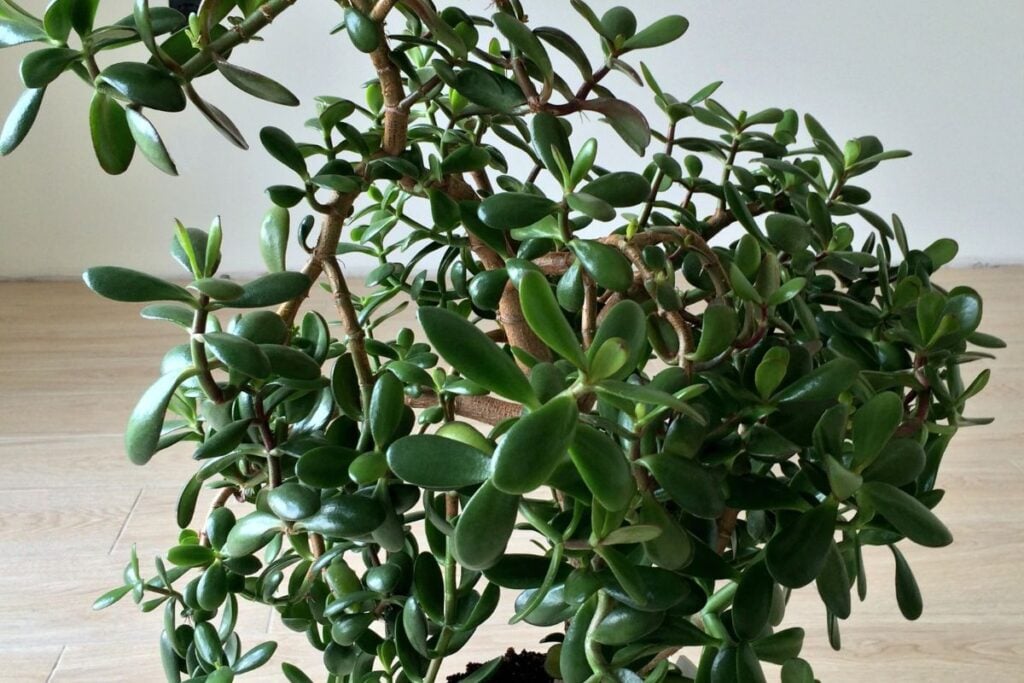
Mushiness in jade leaves and stems often requires an extensive treatment process with slow results because of a jade plant’s slow growth rate. Consistent and proper care can help prevent the issue and ensure your jade plant thrives.
Here are some tips to preserve your jade plant’s succulent leaves and stems:
Regular Monitoring and Maintenance
Jade plants typically express early signs of stress through their leaves. Inspecting your plant once every 2 weeks should be enough to catch symptoms that may eventually lead to soft, mushy leaves and stems.
During the inspection, you can perform these additional maintenance practices:
- Check the soil moisture to see if the plant is ready for another drink. You can use a chopstick or moisture meter.
- Look for signs of pests or stress, such as crawling or flying insects, yellowing leaves, blisters or black spots, and an unusual number of dropping leaves.
- Rotate the pot by 90-180° for even light exposure and balanced growth.
- Assess the plant’s environment, watering habits, and overall care routine to identify the root cause of the symptoms. Then, compare your routine with the recommended practices below to identify which aspects you can improve on.
Proper Care Routine
Here are some care tips specific to jade plants that can help prevent mushiness:
Give the Soil Time to Dry Between Watering Sessions
Check the soil 10-14 days after watering to confirm your plant is ready for another watering. Water the plant only when the top half or ⅔ of the potting mix is completely dry.
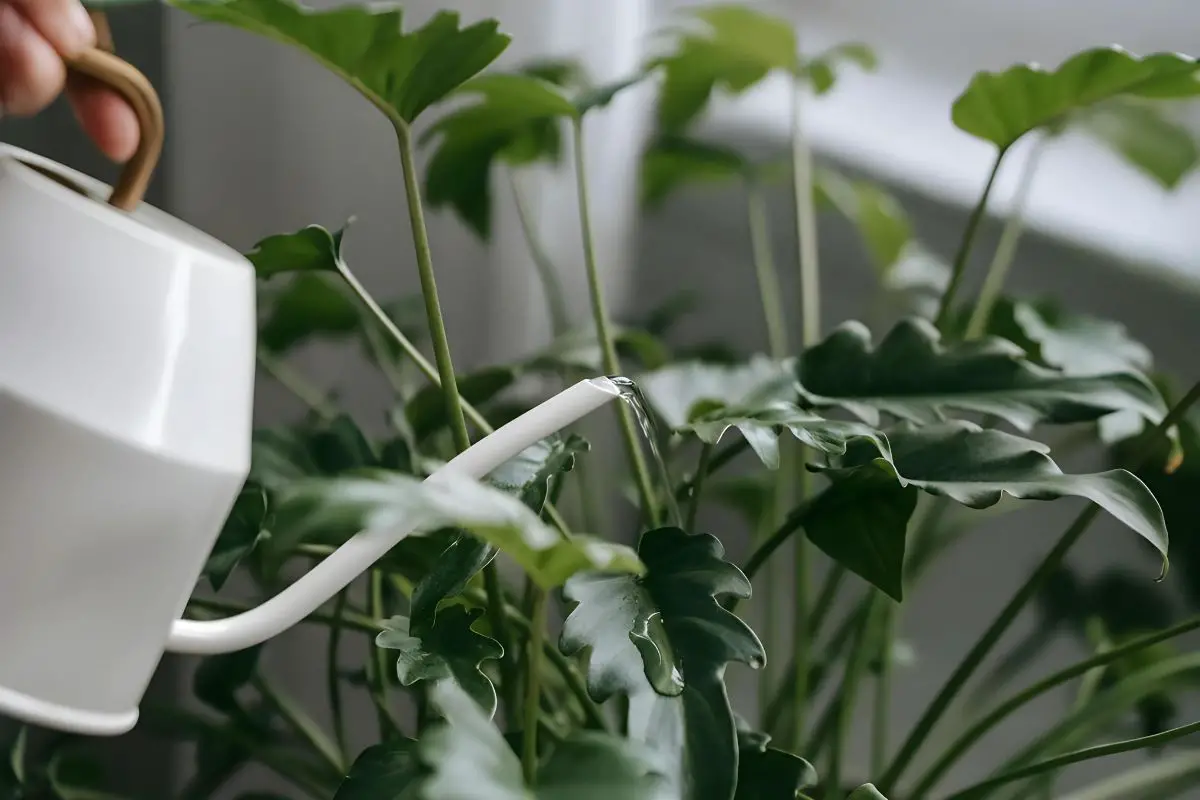
Use a can with a narrow spout and pour the water gradually around the pot to evenly saturate the soil. Avoid using self-watering pots, as they can keep the soil consistently moist and encourage microbial growth.
Use a Well-Draining Substrate & Container Suitable for Jades
I recommend using a high-quality succulent or homemade mix with equal parts compost and perlite. Choose a sterile, breathable pot with drainage holes, such as an unglazed terracotta. The porous walls can help wick excess moisture away and prevent waterlogging.
Give Your Plant Enough Dark & Light Hours
Jade plants typically require 4 hours of direct sunlight, around 8 hours of low-to-moderate light during the day for metabolic activities, and 10-12 hours of darkness for optimal transpiration. Sufficient light helps keep the plant compact with strong stems.
Conversely, insufficient light can cause leaning or leggy growth and can also reduce soil evaporation, contributing to a higher risk of overwatering and root rot.
Maintain Stable & Moderate Temperatures
Daytime temperatures can be anywhere from 65-75 °F (18-24 °C), while nighttime temperatures must be around 60 °F (15.6 °C). Keep your plant away from cooling vents during spring and summer.
Prune Your Plant With Sterile Scissors or Pruning Shears
Remove damaged foliage and sterilize the tools between cuts using rubbing alcohol to prevent the spread of diseases. Apply cinnamon powder on cuts to protect your plant from fungal or bacterial infections. You can remove up to 30% of the foliage during spring and/or summer.
Seasonal Adjustments
Proper adjustments during the cold season can also go a long way in protecting jade plants.
Here are some important aspects to adjust in your care routine:
Provide 2-3 Months Outdoors (for Mild Summers)
Bright, natural light can promote compact, healthy growth and help strengthen jade trunks and branches. Choose a spot that receives direct morning sun and shade from midday to afternoon sun.
Properly acclimatize the plant to outdoor conditions starting in late spring by giving it an hour outdoors for a week and gradually increasing the exposure.
Reduce Watering Frequency in Fall & Winter
In the wild, jade plants grow less actively during the cold season due to scarce rains. You can replicate this indoors by increasing the interval between watering sessions. Ideally, the top ⅔ of the soil should be completely dry before watering.
Provide Proper Nighttime Temperatures
Allow nighttime temperatures to drop to 50-55 °F (10-13 °C). Move your plant away from drafty doors or windows, or keep them closed to prevent drastic temperature fluctuations.
Provide Proper Sunlight During the Cold Season
Give your plant 8 hours of bright indirect light during the cold season for optimal transpiration rate. To encourage flowering, gradually re-introduce the plant to direct sunlight in winter.
Final Thoughts
Jade plants are resilient houseplants famous for their firm stems and plump leaves. A plant with mushy leaves and stems is in poor health and requires immediate intervention for better chances of recovery.
Mushiness in jade plants is often caused by overly wet soil, poor sanitation of gardening and potting materials, and improper protection from the cold. Review the symptoms discussed above to help you identify the cause.
Evaluate your plant’s condition to determine whether you can still save it. Be patient and consistent with your post-treatment care because jade plants can take several months to recover from the damage.