
When and How to Fertilize Jade Plants
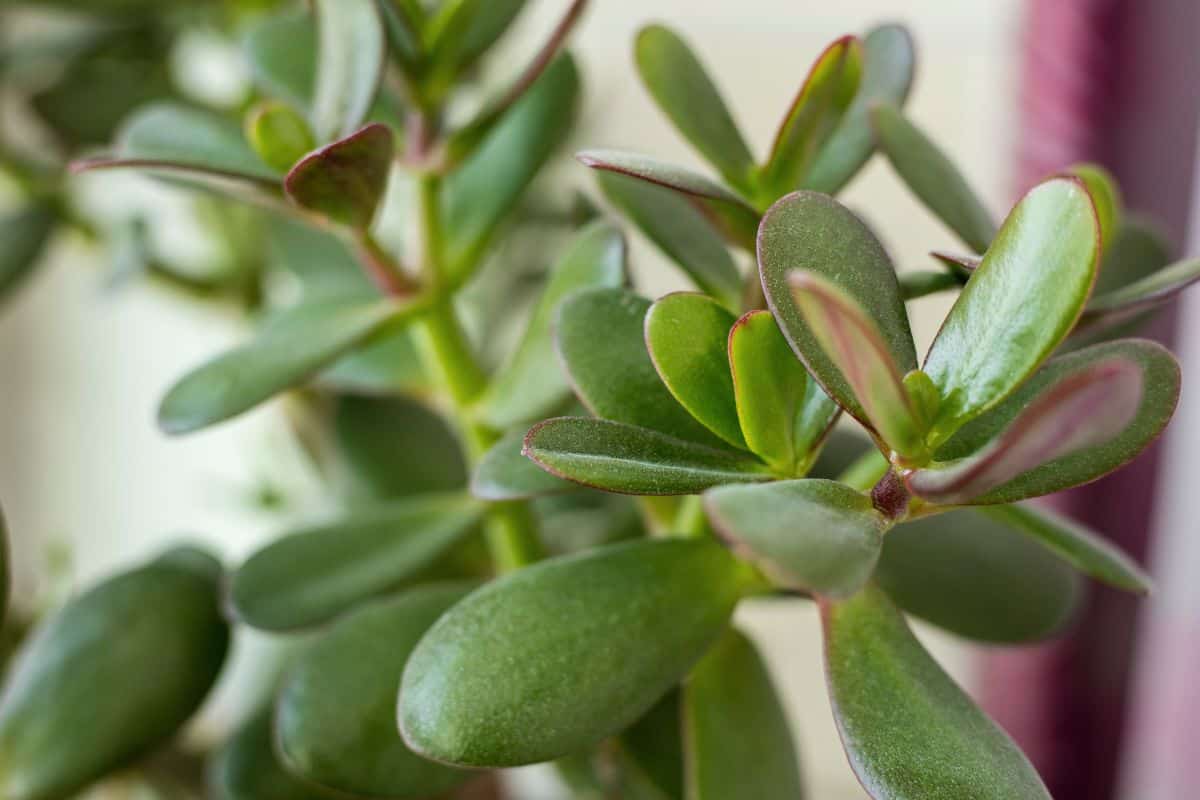
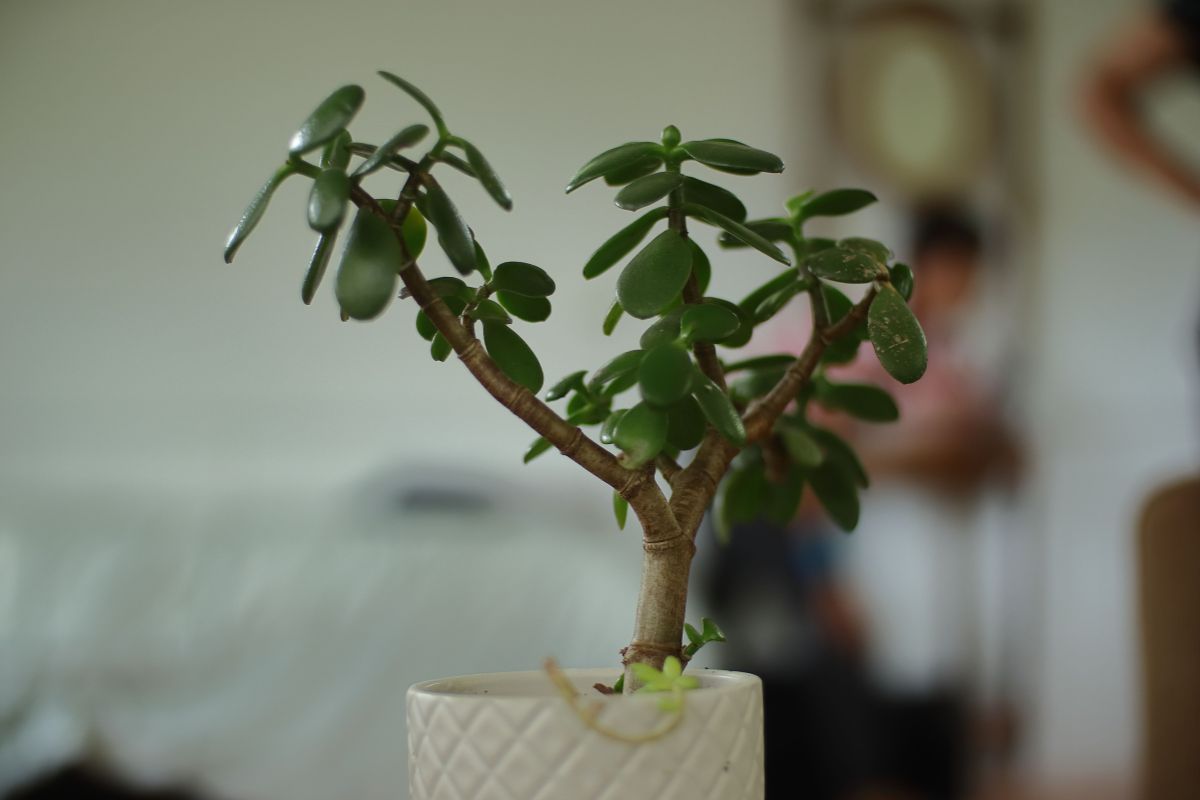
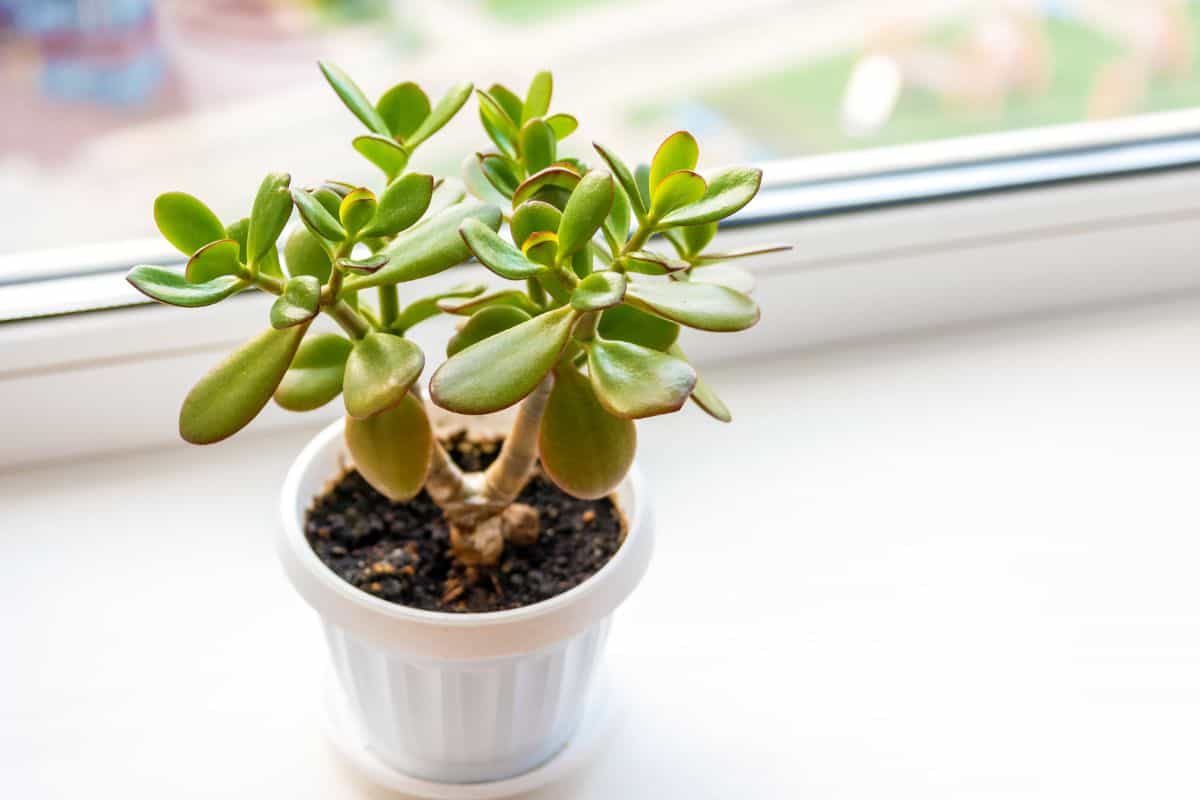
Jade plants are slow-growing succulents famous for their compact tree-like form. They’re pretty easy to care for and have minimal fertilizer needs. Although generally resilient, they can benefit from occasional fertilization to stay vibrant and promote new and healthy growth.
Here are some important reminders for fertilizing indoor jade plants:
- Fertilize jade plants 1-2 years after repotting in high-quality soil mix.
- You may apply a thin layer of a slow-release 10-10-10 granular fertilizer in spring and/or summer.
- Alternatively, you can use a half-strength liquid fertilizer once every 2 months from early spring to mid-summer.
The rest of the article will discuss an indoor jade plant’s nutrient needs and how to apply fertilizers to maximize their benefits. I’ll also share some tips on identifying and addressing nutrient deficiency and over-fertilizing symptoms.
Native Habitat and Nutrient Requirements
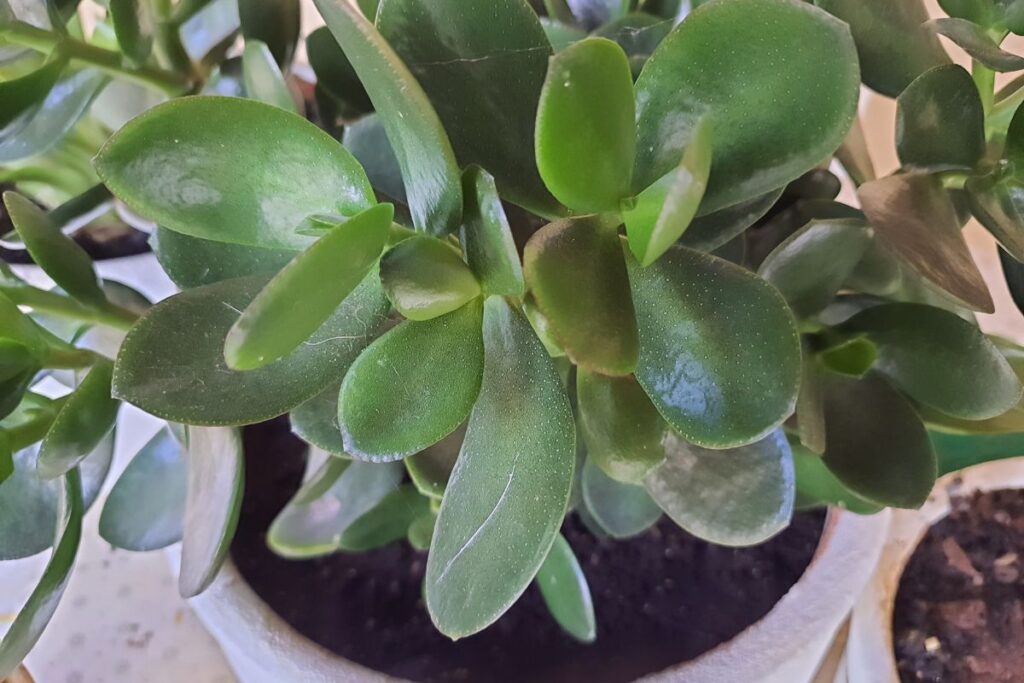
Jade plants (Crassula ovata) mostly thrive in sandy slopes and rocky hills in South Africa, so they don’t receive a steady supply of nutrients. They depend mainly on material weathering from wind and rain and nutrient cycling from decaying plant debris.
Rainfall occurs more frequently in spring and summer, increasing the roots’ access to water-soluble soil nutrients. This contributes to the relatively faster growth during the warm seasons.
Conversely, scarce rains in the fall and winter limit nutrient availability, contributing to slower growth.
The limited and seasonal availability of nutrients keeps jade plants compact despite being able to live for up to 100 years.
When growing jade plants in pots indoors, it’s best to use a soil mix with well-balanced drainage, moisture retention, and nutrient-holding capacity.
Here are some ideal soil mixes for potted jade plants:
- High-quality succulent mix
- Equal parts compost and perlite
- Equal parts potting soil, coarse sand, and perlite/pumice
Basic Nutrient Needs
Jade plants don’t require excessive or frequent fertilization when grown as houseplants. Nevertheless, they may benefit from occasional feedings of balanced fertilizers with nitrogen, phosphorus, and potassium during the growing season in spring and summer.
They also need trace amounts of essential micronutrients like iron, calcium, and magnesium.
Here’s how proper fertilization can benefit indoor jade plants:
- Green, succulent leaves: Nitrogen, iron, and magnesium are vital to jade leaf growth and chlorophyll synthesis. Deficiency in these nutrients may lead to pale, yellow, deformed, or sparse leaves.
- Sturdy stems to support the top-heavy foliage: Jade plants require nitrogen, phosphorus, and calcium for structural integrity. Otherwise, the trunk and branches will be more susceptible to leaning or drooping.
- Potential flower development: When fed with sufficient phosphorus in spring and summer, jade plants have better chances to produce flowers in winter. However, this doesn’t guarantee they’ll bloom. I’ll discuss this further below.

Signs of Nutrient Deficiencies
Jade plants may exhibit nutrient deficiency with the following symptoms:
- Pale or yellowing leaves: Lack of nitrogen, magnesium, or iron
- Sparse or deformed leaves: Lack of nitrogen
- Leaf drop: Lack of magnesium
- Weak or drooping stems: Lack of nitrogen, phosphorus, or calcium
- Stunted growth (few new branches or leaves even during the growing season): General nutrient deficiency symptom
When to Fertilize Jade Plants
You can fertilize jade plants regularly for consistent and healthy growth or only when nutrient deficiency symptoms appear.
Regular Application
The proactive approach helps prevent nutrient deficiency symptoms and promotes faster growth.
High-quality commercial succulent mixes typically feed jade plants for at least 3 months after repotting. On the other hand, homemade soil mixes with fresh compost can provide slow-release nutrients for the plant for 6-12 months.
If you repot your plant in spring, the nutrients in the fresh soil mix should be enough to feed it until summer. Jade plants don’t require supplemental nutrients in the fall and winter, so you can safely wait 1-2 years after repotting before the first feeding.
The best time to fertilize jade plants is in early spring, after seeing signs of new growth, such as new branches or leaf buds. A good rule of thumb is to stop feeding by mid-summer to help the plant gradually transition to lower metabolic activities in the fall.
Symptomatic Treatment
Older jades have a better tolerance to under-fertilizing because they can store moisture and nutrients in their succulent leaves and stems and release them as needed. That’s how they can readily form new roots or leaves, even after heavy pruning.
Despite ideal care, slow growth during spring and summer or yellowing leaves can indicate that your plant is suffering from a nutrient deficiency.
It’s crucial to rule out the other causes of stress first, as fertilizing the plant needlessly can increase the risk of fertilizer burn and worsen the underlying problem.
Re-evaluate your watering routine, check the environmental conditions (i.e., soil, light, temperature, humidity), and inspect for signs of pests and diseases.
You may then fertilize jade plants after confirming the symptoms are due to nutrient deficiency.
Types of Fertilizers
Each fertilizer type has a different purpose and implication when used on jade plants. Let’s explore these below.
Compost
Compost is an organic amendment that works as a slow-release fertilizer. I use it on healthy jade plants that are over 10 years old. It’s easy to use, as you can simply spread about ½-1 inch (1.3-2.5 cm) of compost over the soil mix in spring.
Compost is beneficial to jade plants as it:
- Contains low amounts of nutrients, which is usually enough to meet the needs of jade plants
- Improves water infiltration into the soil
- Boosts microbial activities in the soil that help with plant nutrient breakdown and absorption
Pro tip: Using compost as a plant-safe fertilizer is one of the valuable practices I inherited from an older relative who handed me a 20-year-old jade plant. The trick is to alternate between compost and commercial plant food every year.

Slow-Release Granular Fertilizer
Granular fertilizers are excellent for jade plants because they remain in the soil longer, gradually replenishing the nutrients every time you water your plant. This is similar to how wild jade plants assimilate nutrients from the soil every time it rains.
A slow-release granular fertilizer is suitable for mature jade plants with established and thicker roots because they’re more resistant to desiccation from excess fertilizer salts.
Choose a high-quality granular fertilizer with balanced NPK (1-1-1 or 10-10-10) and micronutrients like magnesium, calcium, and iron to fulfill your jade plant’s nutritional requirements.
I use The Grow Co’s Succulent and Cactus Plant Food for all of my succulents when I want a laidback approach while still ensuring an adequate supply of essential nutrients.
Applying it once in early spring should be enough to keep the plant compact and healthy. You may reapply it in early summer to encourage new growth, especially after heavy pruning in spring.
Liquid Fertilizer
Plants absorb nutrients from liquid fertilizers more quickly. There’s also less waste because the nutrients are distributed more evenly in the root zone.
Choose a soluble 10-10-10 fertilizer with micronutrients. Dilute it to half-strength and pour directly into the root zone whenever you feed your plant.
Liquid fertilizer is best for young jade plants or when treating nutrient deficiency symptoms. The frequency can vary depending on the purpose of the application.
Here’s a guideline that I find effective:
- Young plants (less than 5 years old): Once every 2 months from early spring until mid-summer
- Nutrient-deficient plants: Once a month or every other time you water your plant from early spring to mid-summer
My go-to liquid fertilizer is Bonide Houseplant Liquid Plant Food (10-10-10 NPK) because I can also use it on my other houseplants.
I also use Miracle Gro Succulent Plant Food (0.5-1-1 NPK) on jade plants and other succulents.
Avoid using foliar spray fertilizers, as they can keep the leaves unnecessarily wet and invite pests or diseases. They can also leave white, crystalline spots on the leaf surface once they dry.
How to Fertilize Jade Plants
Follow the tips below to properly and safely fertilize jade plants.
Preparing for Fertilization
Here’s a list of materials you must prepare before feeding your plant:
- Your fertilizer of choice
- A teaspoon or tablespoon (depending on product instructions)
- Measuring cups
- A watering can with a narrow spout
- Wooden chopstick
In addition, remember the following tips when preparing the fertilizer:
- Read the product label carefully and follow the safety precautions.
- Review the dosage instructions so you can make appropriate adjustments as needed.
- Keep the product in its original packaging to maximize its lifespan. You can also take a picture of the instructions on the label for backup reference in case the print fades or gets stained.
- Water the soil deeply 1-2 weeks before the first fertilizer application in spring to remove hydrophobic clumps and maximize nutrient-holding capacity. This will also prevent salt accumulation in limited spots that can cause fertilizer burn to nearby roots.
Fertilization Techniques
Here are the steps to apply different types of fertilizers:
Granular Fertilizer
- Rake the soil surface to break up the crust that may have built up due to less frequent watering in the winter.
- Ensure the roots are buried at least a half inch (1.3 cm) underneath the soil surface to prevent fertilizer burn. Top up the soil in early spring with a fresh soil mix as needed.
- Use a spoon to sprinkle a thin, even layer of granules over the soil surface. Keep the granules at least a half-inch (1.3 cm) away from the base of the stem to prevent fertilizer burn.
- Water the soil deeply using a watering can with a narrow spout until the excess drains from the holes at the bottom. Move the spout around the pot to evenly saturate the soil.
- Water the plant again as soon as the top half of the soil is dry. The nutrients from granular fertilizers are slowly released every time you water the soil, so keeping the plant well-hydrated is important.
Liquid Fertilizer
- Dilute the fertilizer to half the recommended dose. For instance, if the label recommends using 1 tablespoon of the liquid concentrate or soluble powder per quart (1 liter) of water, you can use ½ tablespoon instead.
- Mix the solution in a watering can using a wooden chopstick.
- Pour the solution evenly over the soil until the excess drips from the drainage holes.
The Role of Fertilization in Encouraging Blooms

Jade plants seldom bloom indoors, and there’s no guarantee that they will produce flowers despite adequate feeding.
Nevertheless, here are some feeding tips that might help:
- Opt for a fast-acting liquid fertilizer like the Miracle Gro Succulent Plant Food (0.5-1-1). I’ve also succeeded in encouraging jade blooms by using tomato fertilizer (1-3-2 or 1-4-4) because it has higher phosphorus and potassium than nitrogen. Note that too much nitrogen can promote green growth and inhibit flowering.
- Dilute the fertilizer to half the recommended strength to prevent fertilizer burn.
- Feed your plant once a month from early spring to mid-summer.
- Avoid feeding your plant during the fall because extra nutrients will promote continuous foliage growth instead of food generation for flower buds.
In addition, you may promote flowering in jade plants with the following environmental changes:
- In the fall, move the plant to a cooler part of the home, such as an unheated room or garage. Maintaining stable lower nighttime temperatures of around 50-55 °F (10-13 °C) may be challenging, but it’s crucial for bud development.
- Give your plant bright, natural light for at least 8 hours during the day but ensure it receives about 10-12 hours of darkness (without artificial lighting) at night.
- In winter, you can acclimatize your plant to up to 6 hours of direct sunlight to encourage the flower buds to bloom.
Potential Mistakes and Risks
I recommend fertilizing jade plants sparingly because they naturally don’t require many nutrients.
Otherwise, you may end up with the following problems:
Over-Fertilization
Avoid feeding jade plants full-strength fertilizers in hopes of faster growth or seeing their beautiful flowers, as it can instead lead to over-fertilization. Applying too much fertilizer at once or feeding your plant too often can cause fertilizer burn.
Affected plants may show the following symptoms:
- Wrinkled leaves
- Yellowing leaves
- Leaf scorch or brown or black spots on the leaf surface (sometimes with a yellow margin)
- White crystalline spots on the leaf surface
- Salt crust on the soil surface (granular fertilizer)
- Stunted growth
- Desiccated or dried-out roots
Moreover, over-fertilized jade plants may be too stressed to produce flowers. The damaged or weaker roots can’t deliver moisture or nutrients to the shoots, consequently inhibiting blooming.
You can fix the problem with these steps:
- Prune the damaged or discolored leaves using sterile scissors. Clean the blades with rubbing alcohol and a piece of clean cloth between cuts to prevent infection.
- Scrape the top ¼ inch (0.6 cm) of the soil’s surface to remove the dried-up granular fertilizer salts. Backfill the surface with a fresh jade soil mix. Ensure it’s porous to facilitate optimal water infiltration. You can skip this step if you use liquid fertilizer.
- Water the soil deeply using filtered or distilled water to leach the excess salts. The volume of the water should be equal to the pot. For instance, flush a 1 gallon (3.8 l) with a gallon of water. Pour the water gradually to avoid pooling on the surface or spilling from the pot’s rim.
- Flush the soil again once the top half or ⅔ is completely dry.
- Avoid feeding your plant for the entire growing season. Wait until the following spring to feed your plant again.
Using the Wrong Fertilizer
Jade plants are resilient and forgiving, but experimenting too much with different types of fertilizers can cause unnecessary stress.
Here are some fertilizers to avoid:
- Homemade fertilizers like banana peels or coffee grounds: These fertilizer alternatives have uncontrolled nutrient levels and don’t add real value to a jade plant’s health.
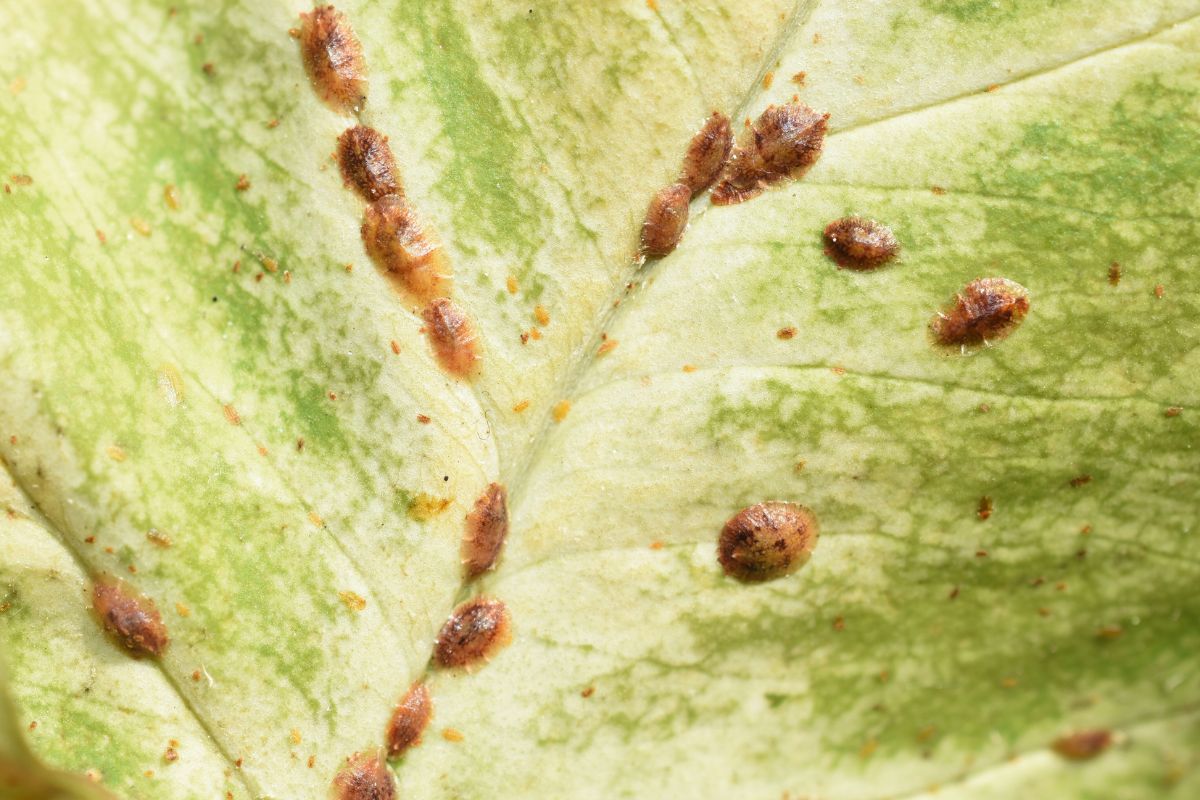
- High-nitrogen inorganic fertilizers (i.e., ammonium nitrate): Addressing nitrogen deficiency with these kinds of fertilizers can promote green growth, leading to dense foliage but weak roots and flimsy stems. The dense foliage can also invite sap-feeding pests like mealybugs, aphids, and scale insects.
- Nutrient-specific fertilizers (i.e., Epsom salt for magnesium and sulfur) to address a deficiency: Note that magnesium and sulfur are necessary only in trace amounts. Feeding your plant too much can lead to fertilizer burn and/or stunted growth.
Opt for organic options like compost or high-quality products with guaranteed NPK analysis and micronutrient values.
Ignoring Plant Health
If your jade plant shows stress symptoms in spring, hold back on applying fertilizers until you correctly diagnose and treat the underlying problem.
Here are some common complications to watch out for:
- Overwatering can damage plant roots (e.g., root rot) and inhibit proper moisture and nutrient uptake. The fertilizer will be wasted as the plant cannot utilize it.
- Underwatering can dry out the roots. Feeding an underwatered plant can further dehydrate the roots, leading to more severe leaf scorch symptoms.
- Sun stress can lead to leaf scorch, which can worsen if the plant is also over-fertilized.
- Pest infestations can get worse if the plant is fertilized. The increased foliage succulence and density can encourage pest populations by providing more food sources and better hiding spots.
Wait until the plant’s condition becomes stable because fertilizing a sick or stressed plant can worsen the problem and delay its recovery.
Post-Fertilization Care
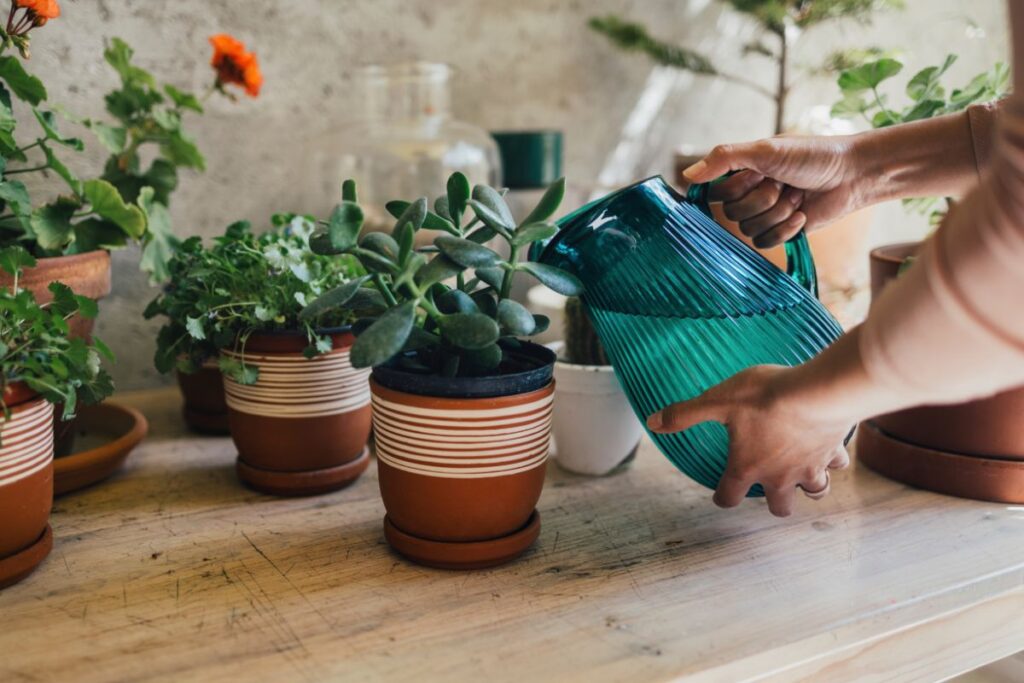
To ensure maximum efficiency and benefits from fertilizers, remember these post-fertilization care tips:
- Watering: Water the plant as soon as the top half of the soil dries out. Proper watering can help leach the excess salts from granular and liquid fertilizers. Avoid letting the soil become bone-dry because the fertilizer salts will draw moisture out from the roots, leading to dehydration and leaf scorch.
- Light: Ensure the plant receives bright natural light (4 hours direct or 8 hours indirect) to activate metabolic activities and ensure optimal use of the nutrients from fertilizers.
- Temperature: Daytime temperatures around 65-75 °F (18-24 °C) are crucial to jumpstart metabolic activities.
- Humidity: Maintain humidity levels between 30 and 50% for optimal transpiration rate, helping draw moisture from the soil to the roots and the shoots.
- Monitoring: Keep an eye on potential signs of over-fertilization, such as yellowing leaves or leaf scorch. The symptoms may appear as quickly as a week after applying liquid fertilizers or around a month after using granular fertilizers. Flush the soil as needed if the plant is showing symptoms of fertilizer burn.
Final Thoughts
Jade plants are low-maintenance succulents with minimal nutrient needs. They respond well to regular fertilization or symptomatic treatment.
Jade plants are more likely to show symptoms due to over-fertilization than nutrient deficiency because the shallow roots are sensitive to salt stress. They can store moisture and nutrients in their leaves and stems to remain green and healthy even with infrequent feeding.
Pay attention to your plants’ responses to fertilizer applications and adjust your feeding routine accordingly.
You can never go wrong with starting with a light fertilization routine. Gradually increase the dosage or frequency as needed until you find the sweet spot that works for your jade plant.
Don’t hesitate to leave a comment to seek advice if you’re unsure how to start feeding your jade plant. Alternatively, you can also share your experience to help beginner gardeners.