
Browning Leaves on Jade Plants: Symptoms, Causes, and Fixes
Jade plants are popular among indoor gardeners because of their resilience, low-maintenance requirements, and fascinating foliage. Although generally hardy, jade plants can suffer from a few issues leading to brown leaves.
Jade leaves can turn brown due to the following reasons:
- Underwatering
- Overwatering
- Sunburn
- Fertilizer burn
- Pest infestation
- Transplant or relocation shock
- Temperature and humidity stress
Leaf browning is an irreversible damage. However, depending on the cause, you can improve your plant’s condition to encourage it to grow new and healthy leaves. This article will explore the causes of browning and their corresponding fixes to help your jade plant recover.

Jade Plants: An Overview
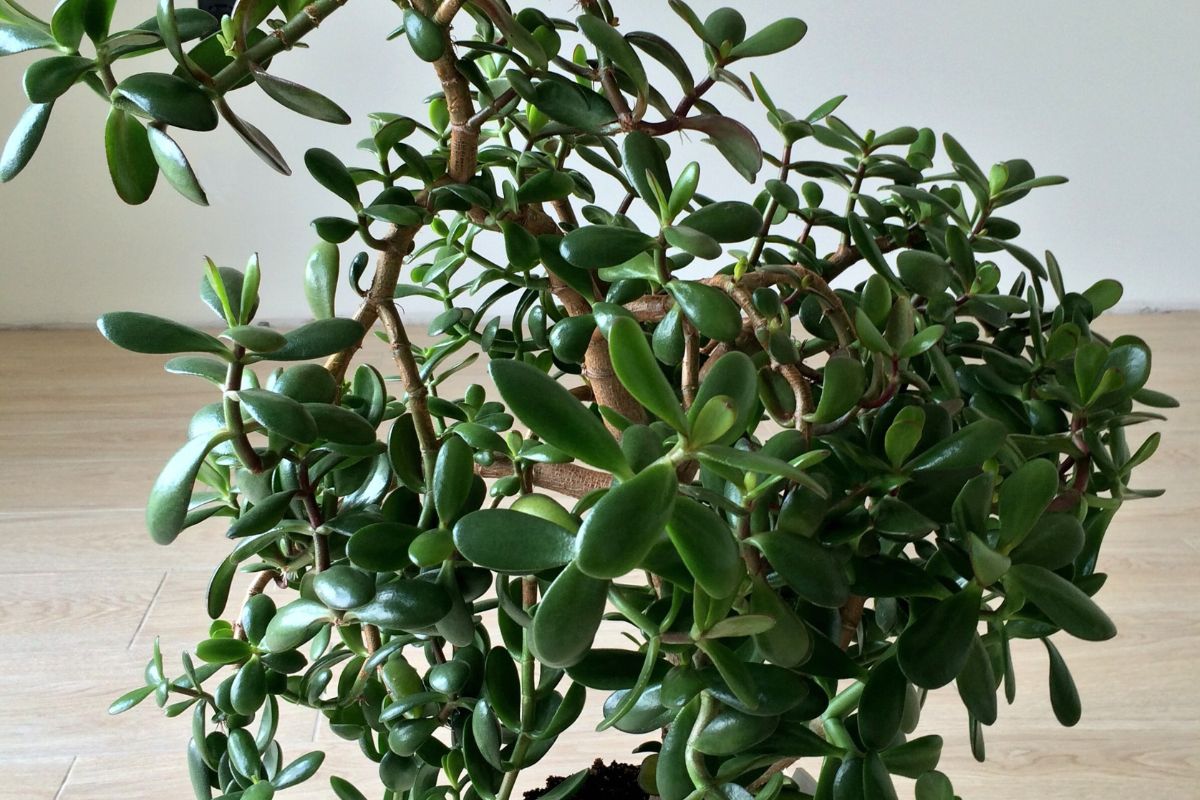
Jade plants (Crassula ovata) are famous succulents from South Africa. They can reach up to 6 feet (1.8 m) tall in the wild, resembling a small tree with a woody trunk and dense foliage.
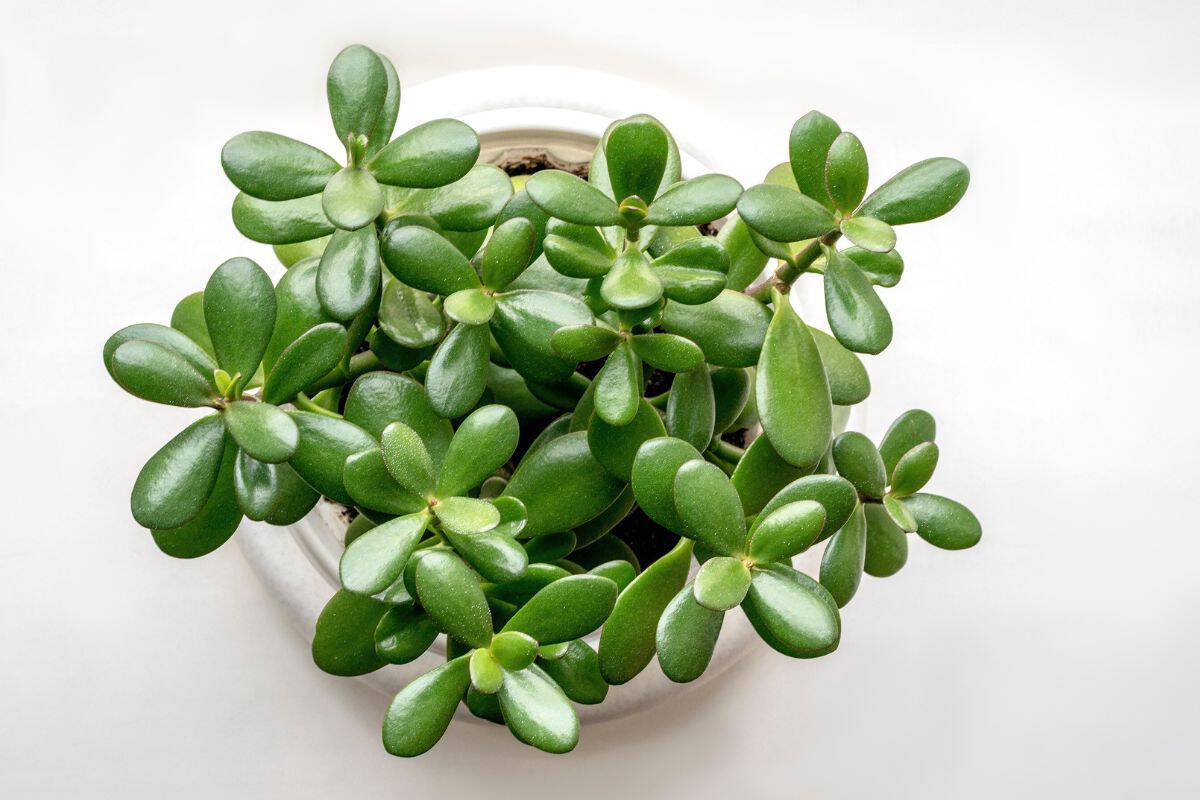
The foliage consists of plump, coin-shaped leaves that help with water storage to survive during drought. The leaves have fascinating color patterns naturally stimulated by their environment or genetics.
Here are some examples:
- Classic jade plants have solid green leaves that occasionally develop red edges from intense sunlight, high temperatures, or prolonged drought.
- The leaves of some hybrids like ‘Campfire’ and ‘Hummel’s Sunset’ naturally transition to red, yellow, or orange in winter.
On the other hand, browning leaves aren’t natural and indicate severe plant stress. Browning can manifest in different patterns depending on the underlying causes, which I’ll discuss further below.
Symptoms of Browning Leaves
Jade plants have excellent resistance to environmental stressors. However, prolonged exposure to unsuitable conditions can cause leaf damage or discoloration.
Here are some early stress symptoms that precede leaf browning:
- Wrinkled leaves
- Yellowing leaves
- Red leaf edges, surface, or stems
- Wilting or drooping leaves and branches
If the problem remains undiagnosed and untreated, the damage can get worse. Jade leaves may then turn brown with the following additional symptoms:
- Crisp leaf edges
- Thin, crisp, and wrinkly leaves
- Mushy spots
- Whole mushy leaves
- Brown-black spots (leaf scorch)
- Scabs on the leaf surface
- Leaf drop
It’s best to resolve the issue before it escalates to brown leaves. Once the leaves have started to turn brown, the plant will need more tedious treatment to restore its health and appearance.
Common Causes (& Fixes)
Here are the common causes of browning leaves on jade plants:
1. Underwatering
Jade plants have excellent drought resistance because of their succulent leaves and stems. However, frequent underwatering or prolonged drought can eventually dry out the leaves.
Bone-dry soil may become hydrophobic due to fatty compounds that build up and clump around the roots. The compounds create a barrier that repels moisture, leaving your plant thirsty even after watering it.
Without enough moisture to replenish those lost through transpiration, the leaves will show the following symptoms in progression:
- The cells shrink and the leaves appear wrinkly.
- Lack of moisture and nutrients will turn the leaves yellow.
- The leaf edges may turn red from drought stress.
- Browning starts from the leaf tips and spreads to the surface, turning the entire leaf thin and crisp.
- Dehydrated leaves fall off.
Since leaf browning is a sign of severe underwatering, you must be proactive with your treatment.
The first step is to test for the soil hydrophobicity by adding a few drops of filtered or RO water to the soil surface. You can then take on a different treatment approach based on the results.
Here are the ways to treat a severely underwatered jade plant depending on the soil’s level of water repellence:
- Mildly hydrophobic: If the water takes less than a minute to be absorbed, it means you can still rehydrate it using the soak-and-dry method. Soak the pot in a tub of water for at least 10 minutes to evenly rehydrate the soil before letting the excess drain from the drainage holes.
- Moderately or severely hydrophobic: If the water takes on a spherical shape and takes longer than a minute to be absorbed, you must repot the plant in fresh, moist soil.
Here are the steps for repotting jade plants from hydrophobic soil:
- Scrape the edges of the pot with a spatula or flat knife to loosen and slide out the rootball.
- Soak the soil in water for around five minutes to make it easier to detach and minimize damage to the roots.
- Prepare a new, sterile pot that’s breathable, heavy, and has drainage holes. Choose one that’s the same size as the old one.
- Fill the pot’s bottom 2 inches (5 cm) with a soil mix rich in organic matter. I recommend a compost-perlite mix because it’s easier to re-wet and less susceptible to becoming hydrophobic.
- Loosen the soil around the roots by poking a wooden chopstick through the mass. Carefully detach the soil with your fingers to reveal the roots.
- Inspect the roots and cut dried parts using sterile scissors. Clean the blades with rubbing alcohol between cuts.
- Repot the jade plant in the new pot and fresh soil. Tamp the soil firmly around the roots until they’re about an inch (2.5 cm) deep to keep the plant upright.
- Water the soil deeply until the excess drains from the holes.
- Keep the plant in a room with moderate temperatures (70 °F or 21 °C) and bright indirect light for at least a week to prevent sun stress, which can worsen dehydration.
After treating or replacing the soil, improving your watering routine is crucial to ensure continued recovery and prevent recurrence.
Follow these tried-and-tested watering tips for jade plants:
- Check the soil moisture around 10 days after watering. If it is dry halfway down the pot, it’s time to water your plant again. In summer, you may need to reduce the interval between watering sessions, especially for plants growing in direct sunlight.
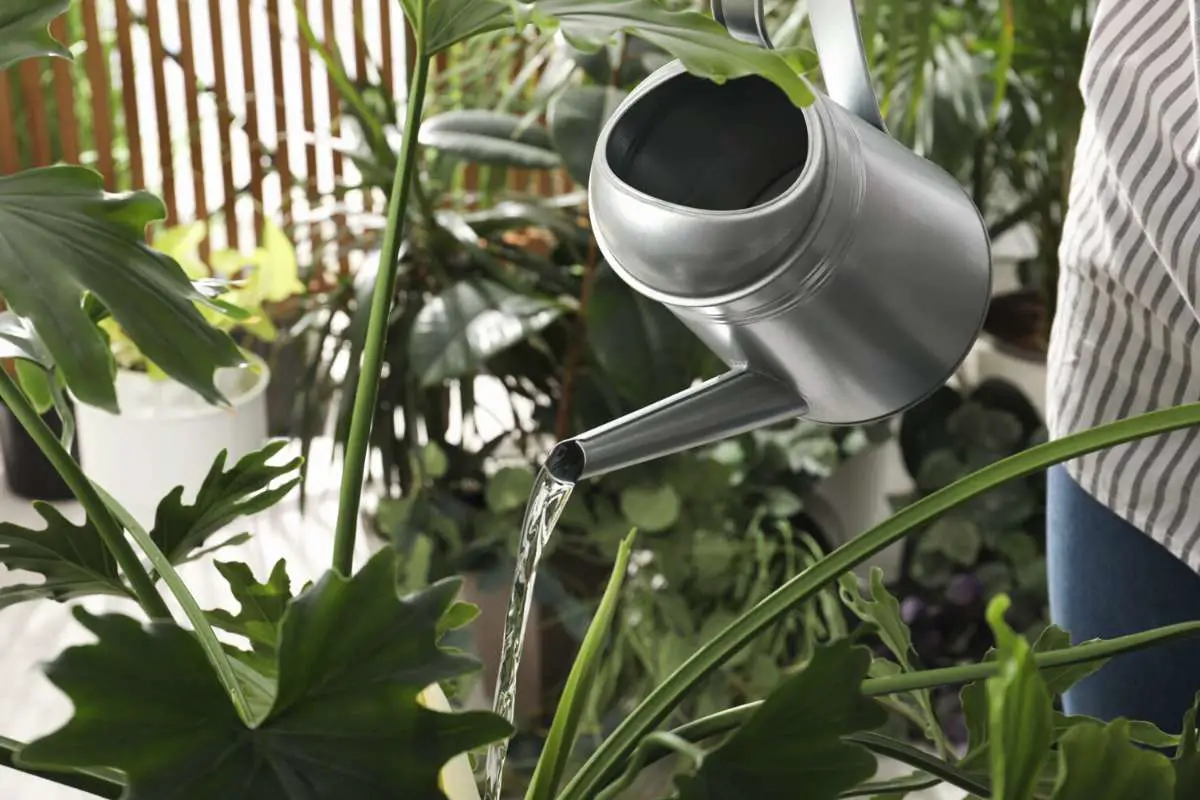
- Use a watering can with a narrow spout and pour the water evenly over the soil surface. Keep adding water until the excess drips out of the drainage holes. Avoid shallow watering as it can lead to underwatering problems when done too often.
- Bottom water your plant once after 3-4 sessions of top watering. This process can encourage the roots to grow deeper into the soil mix. At the same time, it can prevent fatty compounds from accumulating around the roots.
- Reduce the watering frequency in the fall and winter, but don’t let the soil become bone dry. You can wait until the top ⅔ of the soil is dry before watering again.
2. Overwatering
Overwatering may occur due to frequent watering or poor soil drainage and can cause jade leaves to turn brown. Although both under- and overwatering can lead to brown leaves, the progression of symptoms can vary.
Here are the signs of overwatering:
- Soil surface remains soggy several days after watering: Jade plants like loose soil with excellent drainage. They are less tolerant to overwatering because they have thin, fibrous roots that can easily rot when kept in constantly wet or soggy soil.
- Guttation or water dripping from the leaves: This occurs when there’s high root pressure drawing the excess water from the soil but the high humidity and low temperatures are reducing the plant’s transpiration rate.
- Mushy leaves with blisters (edema): Excess water in the plant cells may damage the cell wall and cause them to burst, turning the leaves mushy or leaving brown or black blisters on the leaf surface.
- Rotten, smelly roots: The roots will eventually decay if the soil remains wet for too long. The excess moisture can encourage fungal or bacterial growth, which can cause root rot.
- Yellowing leaves: The rotten roots can’t deliver moisture and nutrients, so the leaves become chlorotic (yellow).
- Brown, dry leaves: The dehydrated leaves eventually turn brown and dry.
A jade plant will show several symptoms of overwatering before the leaves turn brown. Once they do, it means most of the roots have rotten.
Here’s how to fix the problem:
- Wear a pair of gloves and carefully unpot the plant. Since the soil is most likely moist, detaching them from the roots will be easier.
- Examine the roots and prune all the black and mushy sections using sterile scissors. Sanitize the scissors between cuts using rubbing alcohol.
- Rinse the remaining roots with running water.
- Soak the roots in 1% hydrogen peroxide solution for 10 minutes to eliminate the remaining pathogens.
- Leave the plant unpotted for about a week. If the plant is large with dense foliage, keep it upright by placing it in a large, heavy jar that can support its weight.
- Place it in a room with moderate temperatures (70 °F or 21 °C) and humidity (30-50%) and away from direct sunlight.
- Transplant in a sterile, breathable pot with adequate drainage holes. Use fresh, moist, and high-quality succulent mix with excellent drainage.
- Wait a whole week before the initial watering. Follow the watering tips discussed above, including the seasonal adjustments.
For smaller or younger jade plants, the rot may quickly spread to the stem and they won’t survive repotting. In this case, look for any remaining healthy-looking leaves at the terminal branches. You can then propagate them in moist jade soil mix or coco peat to see if they’ll successfully root after about a month.
3. Sunburn (Intense Sunlight)
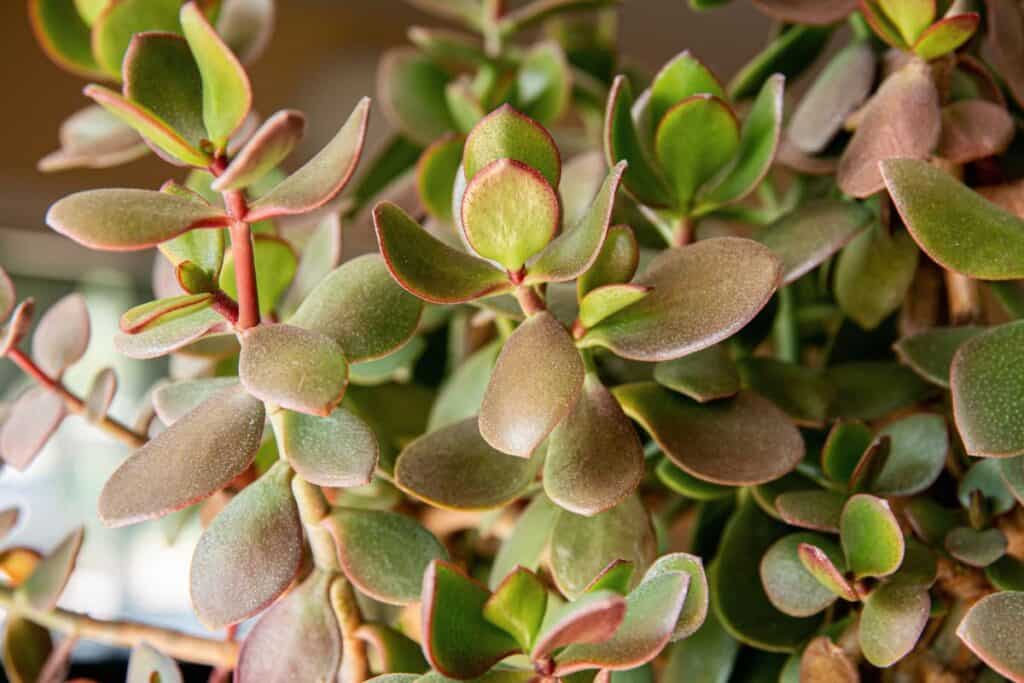
Mature indoor jade plants will thrive in 4 hours of direct sunlight daily when properly acclimated. On the other hand, younger plants with underdeveloped leaves are more likely to get sunburn or leaf scorch from intense sunlight.
Red leaf edges are an early sign that your plant is receiving too much sunlight. Jade plants produce anthocyanins (red pigment) to help absorb the excess light and prevent damage to the remaining green parts of the leaves.
Prolonged exposure to intense sunlight will gradually burn the leaves, causing black or brown dry spots on the leaf surface. The red leaf edges may also eventually turn brown.
Here are some tips to relieve sun stress on jade plants:
- Move the pot a few feet (+ 0.6 m) away from the sunny window. If your home has multiple windows, hang sheer curtains during the day to filter the light.
- Rotate the pot by 90-180° every 2 weeks or every time you water your plant.
- Water your plant in the morning (during the regular watering schedule) because well-hydrated plants have better tolerance to sun stress.
Young jade plants, such as newly rooted stems or leaf cuttings and offshoots less than a foot (30 cm) tall, prefer bright indirect light. They don’t have extensive roots or sufficient foliage yet to absorb and store moisture, making them prone to sunburn.
Once the plants have grown over a foot (30 cm) tall with dense foliage, you can acclimatize them to brighter or direct sunlight.
Here’s how:
- Move the plant a foot (30 cm) closer to a sunny window (preferably an eastern window) every week.
- Keep an eye on signs of sun stress, such as reddening leaf edges. Delay moving for about another week until the redness gradually fades.
- Rotate the pot regularly to give each side of the plant equal time of exposure to and relief from sunlight.
Pro tip: The stimulation of anthocyanin synthesis can vary depending on plant species and regional light intensity. Although there isn’t enough research on jade plants, I’ve observed that the redness gradually fades as the plant becomes more accustomed to direct sunlight.
That said, proper acclimatization is necessary to avoid stressing young jade plants. More importantly, southern and western windows may have higher light intensity, which can burn jade leaves after prolonged exposure.
A good rule of thumb is to give your plant 4 hours of direct sunlight from an eastern window. If you have a southern or western window, you can keep the pot 4-8 feet (1.2-2.4 m) away to reduce the risk of sunburn.
4. Fertilizer Burn
Jade plants are slow-growing perennials, so they don’t require frequent feeding. Over-fertilization may occur due to the following errors:
- Applying too much granular fertilizer at once
- Inadequate watering to transport the nutrients to the shoots or leach the excess salts
- Poor soil drainage
- Applying liquid fertilizers too often at high concentrations
Over-fertilized jade plants will show the following symptoms:
- The leaves have white granules on the surface, especially after adding soluble or liquid fertilizer to regular watering or when using hard water. Adequately watered jade plants will absorb excess minerals or salts from the soil and excrete them through the leaf pores.
- When underwatered, the soil develops a white crust, typically from dried-up granular fertilizer salts.
- The salts in the soil will then draw moisture from the plant roots, dehydrating them.
- The roots dry up and can’t send moisture and nutrients to the leaves, turning them yellow.
- The leaves eventually become thin, brown, and dry.
In addition, a few nutrients may cause distinct symptoms at high doses.
Here are some examples:
- Nitrogen: The plant will put out more leaves or the existing ones will become even more succulent, inviting pests.
- Phosphorus: Too much phosphorus can inhibit zinc and iron absorption, resulting in chlorosis or yellowing of leaves and stunted growth.
Note: Further research is needed to identify specific toxicity symptoms involving other plant nutrients.
Follow these steps to fix fertilizer burn in jade plants:
- Scrape the soil’s top ¼ inch (0.6 cm) to remove the white salt crust.
- Replenish the soil surface with fresh succulent mix. You can also use compost for good water infiltration and mild, slow-release nutrients as the plant recovers.
- Flush the soil with filtered water. Use twice the usual volume used for watering. For instance, when flushing, a one-gallon (3.8 l) pot should receive a gallon of water.
- Let the water drip from the drainage holes to leach the excess fertilizer salts.
- Repeat the process after a week to remove the salts or reduce their concentration to safe levels.
- Avoid fertilizing your plant for the next 2-3 months or during the entire growing season. The added compost will release nutrients very slowly without risking fertilizer burn.
5. Pest Infestation
Jade leaves may also turn brown due to the following pests:
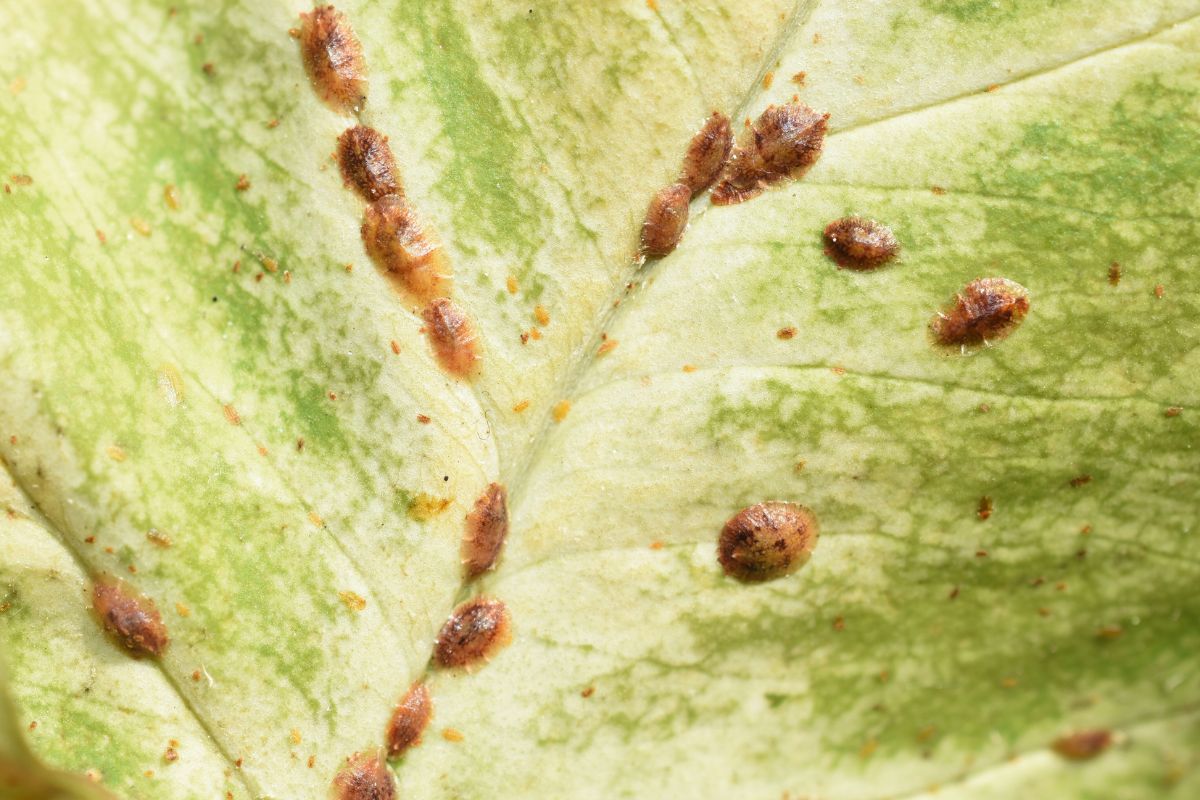
- Scale insects: After hatching from eggs, scale larvae crawl over fleshy leaves or stems, looking for a suitable spot because adult female scale mites are immobile. They choose a spot with plenty of sap to feed on. They appear like tiny brown bumps on leaves and stems.
- Spider mites: These tiny insects are hard to spot but you can confirm their presence through the fine webs on the foliage. In large-enough infestations, the leaves may have a speckled appearance with very fine white, yellow, or brown spots.
You can treat pest-infested jade plants based on the severity:
Minor Infestation
- Scrape the pests off the leaves or stems using a cotton swab with 70% isopropyl (rubbing) alcohol.
- Repeat this every 2-3 days until there are no more visible pests.
- Treat the neighboring plants as well because the infestation is likely to spread between plants, especially if there’s contact between the leaves.
Severe Infestation
- Carefully unpot the plant and rinse it under running water to dislodge the pests.
- Wipe the leaves with a clean cloth.
- Transplant in fresh, well-draining soil mix and sterile pot.
- Keep the plant in bright, indirect light during treatment.
- Spray neem oil solution liberally all over the foliage once a week for 6-8 weeks.
6. Transplant or Relocation Shock
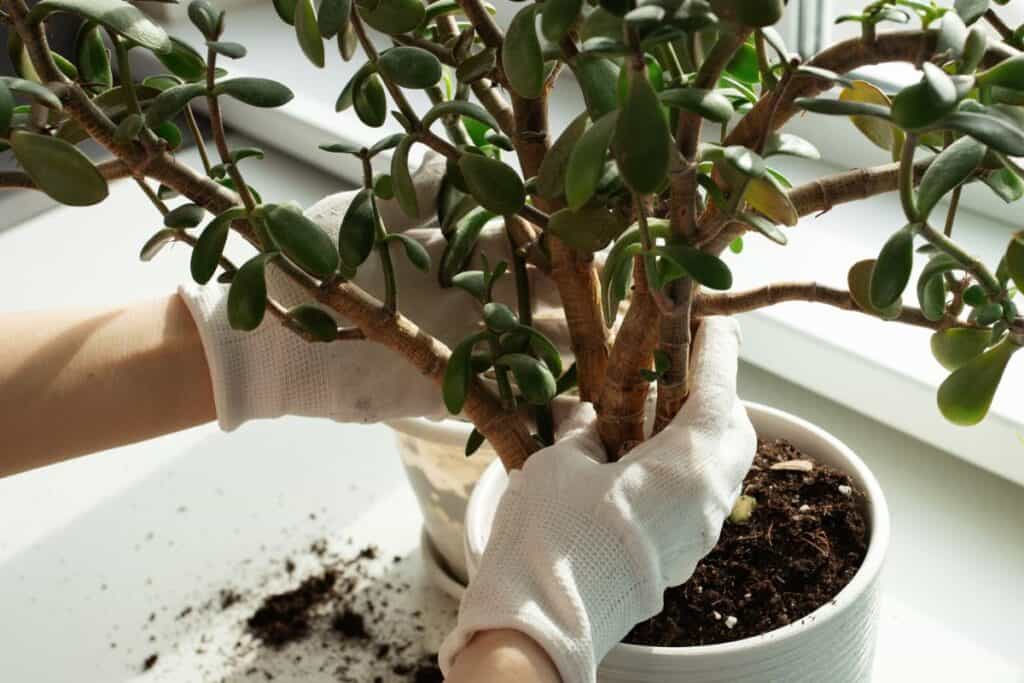
Poor care after transplanting or a drastic environmental change can cause plant stress. In jade plants, this can manifest through yellowing leaves and leaf drop. If left unaddressed, the leaves can turn brown and the plant may even die.
Here are the factors that contribute to browning due to transplant or relocation shock:
| Factors | Implication | Treatment / Solution |
| Poor soil drainage | This can lead to overwatering problems and root rot. The leaves may become mushy with brown blisters or edema a few weeks after transplant. | Repot the plant in appropriate soil, such as a succulent mix or homemade compost-perlite mix. A mature jade plant has a better chance of surviving another repotting than staying in poor-quality soil for several years. |
| Oversized pot | Jade plants have a shallow, fibrous root system that is susceptible to rotting in overly moist soil. Too much soil can hold excess moisture, increasing the risk of root rot. Although the effect can be mitigated if the soil has good drainage, avoiding oversized pots is best. | Repot the plant in a pot that’s only 2 inches (5 cm) wider and deeper than the rootball. |
| Intense sunlight | Jade plants grown indoors need time to adapt to brighter light conditions. Suddenly moving your plant to direct sunlight without proper acclimatization can cause red leaf tips that may escalate to sunburn. | Repot the plant in appropriate soil, such as a succulent mix or homemade compost-perlite mix. A mature jade plant can survive another repotting better than staying in poor-quality soil for several years. |
7. Temperature and Humidity Stress
Extreme temperature and humidity levels may also contribute to brown leaves.
Here’s how:
- Heat Stress: Jade plants can tolerate short periods of temperatures over 90 °F (32 °C), but prolonged exposure can increase the risk of dehydration. The soil will dry out more quickly due to higher plant metabolism, evaporation, and transpiration rates.
- Cold Shock: Jade plants seldom encounter temperatures below 50 °F (10 °C) in their native habitat. They tolerate nighttime temperatures around 55 °F (13 °C) in the fall and winter. However, exposure to temperatures below 40 °F (4 °C), such as from cold drafts from open doors and windows, can cause the cell walls to collapse, leaving brown, mushy spots on the leaves.
- High Humidity: This can reduce the plant’s transpiration rate and worsen the effects of overwatering and root rot.
- Low Humidity: This can increase the plant’s transpiration rate and promote rapid moisture loss. Consequently, the plant may dry out faster, especially when underwatered and exposed to intense sunlight and high temperatures.
You can fix the problem by improving the temperature and humidity conditions based on the following parameters:
- Temperature: 65-75 °F (18-24 °C) in spring and summer. Nighttime temperatures may drop to 50-55 °F (10-13 °C) during the cold season. Keep your plant away from drafty doors, windows, or heating vents to avoid drastic temperature fluctuations.
- Humidity: 30-50% all year round. You can boost the humidity using a humidifier or by grouping plants with similar environmental requirements (i.e., succulents). Conversely, you can reduce the humidity by switching on a humidifier or a fan inside the room.
Routine Care and Maintenance
Jade plants are famous for their low-maintenance requirements. You can successfully grow them with a simple but consistent care routine, including the following:
Regular Watering Schedule
A jade plant’s watering needs can vary depending on the season, so adjusting your watering routine is important.
Here’s a guide that works well for jade plants:
- Spring and summer: Every 2-3 weeks or as soon as the top half of the soil mix is dry. Check the soil moisture around 10 days after watering because fluctuating light intensity and temperatures can influence how quickly the soil dries out.
- Fall and winter: Once every 4-6 weeks or as soon as the upper ⅔ of the pot is dry. Lower light levels and colder temperatures can reduce the plant’s metabolic activity and slow down moisture consumption.
Proper Lighting Conditions
Here are some factors to consider when choosing the appropriate locations for your indoor jade plants:
- Mature jade plants will do great with 4 hours of direct morning sunlight from an unobstructed eastern window.
- If you have a southern window, draw the curtains starting at midday to give your plant some respite from the scorching afternoon sun.
- The afternoon sun from a western window can be too much for jade leaves. I recommend keeping your plant around 5 feet (1.5 m) away from an unobstructed western window. At the peak of summer, you can hang sheer curtains to protect your plant from intense sunlight.
Pro tip: If you live in an area with insufficient light, you can grow jade plants a foot (30 cm) below a full-spectrum grow light. Leave it on for around 12-16 hours a day during the growing season and around 10 hours in the fall and winter.
Remember to rotate the pot regularly to prevent sunburn on the exposed leaves or legginess on the sun-deprived plant foliage.
If you need to relocate the plant (i.e., taking it out for the spring or summer), gradually acclimatize it to the new spot by moving it a few feet (0.6 m) weekly. This will help prevent relocation shock from the drastic change in light conditions.
Fertilization
The best time to fertilize jade plants is in spring and/or summer. Avoid fertilizing during the cold season because the plant is less active metabolically.
Here’s how to apply different types of fertilizers:
- Slow-release granular fertilizer (10-10-10): Spread a thin film over the soil surface and water it in deeply. Applying it once in early spring should be enough to maintain a compact growth. If you want to have a faster-growing jade plant, you can reapply in early summer.
- Liquid or soluble fertilizer (10-10-10): Dilute to ½ the recommended strength and water directly into the soil once a month. Stop fertilizing 2-4 weeks before the first fall frost so your plant can transition to slower growth during the cold season.
Pruning and Proper Air Circulation
Jade plants grow lush foliage over time, with offshoots growing out of the base of the main trunk and intersecting with the branches. The dense foliage can impede airflow and block light access to inner and lower leaves. It also makes the plant susceptible to pest and humidity-related problems that lead to browning leaves.
During active growth in spring, it helps to prune your plant for better health and aesthetics.
Here are some tips for proper pruning:
- Use sterile shears or scissors and sterilize the tools between cuts using rubbing alcohol.
- Remove browning leaves because they won’t revert to their usual green color. Pruning the damaged leaves will help rejuvenate your plant and redirect the plant’s energy to new and healthy growth.
- If there are too many damaged leaves, focus on removing the severely affected ones first.
- Cut offshoots or branches that are crisscrossing close to the main stem or trunk. This can improve air circulation and prevent pests or diseases from thriving.
- Limit pruning to about 30% of the foliage. Wait a month before pruning again. Removing too much foliage at once can prompt your plant to sprout branches and new leaves in unwanted directions, leading to unbalanced growth.
- Brush cinnamon powder on cut wounds to reduce the risk of microbial infections.
Pest Management
Pests can transfer between plants in the same area if their leaves touch. Some winged insects like fungus gnats may also lay eggs on the leaves and soil of neighboring plants.
Ensure the soil has excellent drainage to keep the surface relatively dry and deter pests from laying eggs.
More importantly, inspect your plants every time you water them to catch and eliminate pests promptly. Consistent monitoring can keep pest populations under control and prevent irreversible damage to the leaves.
Final Thoughts
Browning leaves in jade plants typically indicate severe plant stress due to poor watering practices, intense sunlight, over-fertilization, transplant shock, and pest infestation. Incorrect temperature and humidity can also worsen the issue.
Make it a routine to check your plant every time you water it so you can diagnose early stress symptoms before the leaves turn brown. Jade plants are very expressive and will show signs of stress through their foliage, making it easier to identify the underlying problem.
Proper care and suitable environmental conditions after treatment are also crucial to your plant’s continued recovery. Be proactive and consistent with your care routine to avoid severe plant stress that may warrant an extensive treatment procedure.
Please reach out if you have any questions about jade plant care or want to share your experience with browning jade leaves. Your insights are highly appreciated as they can help fellow jade plant lovers in the home gardening community.