
Wrinkled Leaves on Jade Plants: Symptoms, Causes, and Fixes
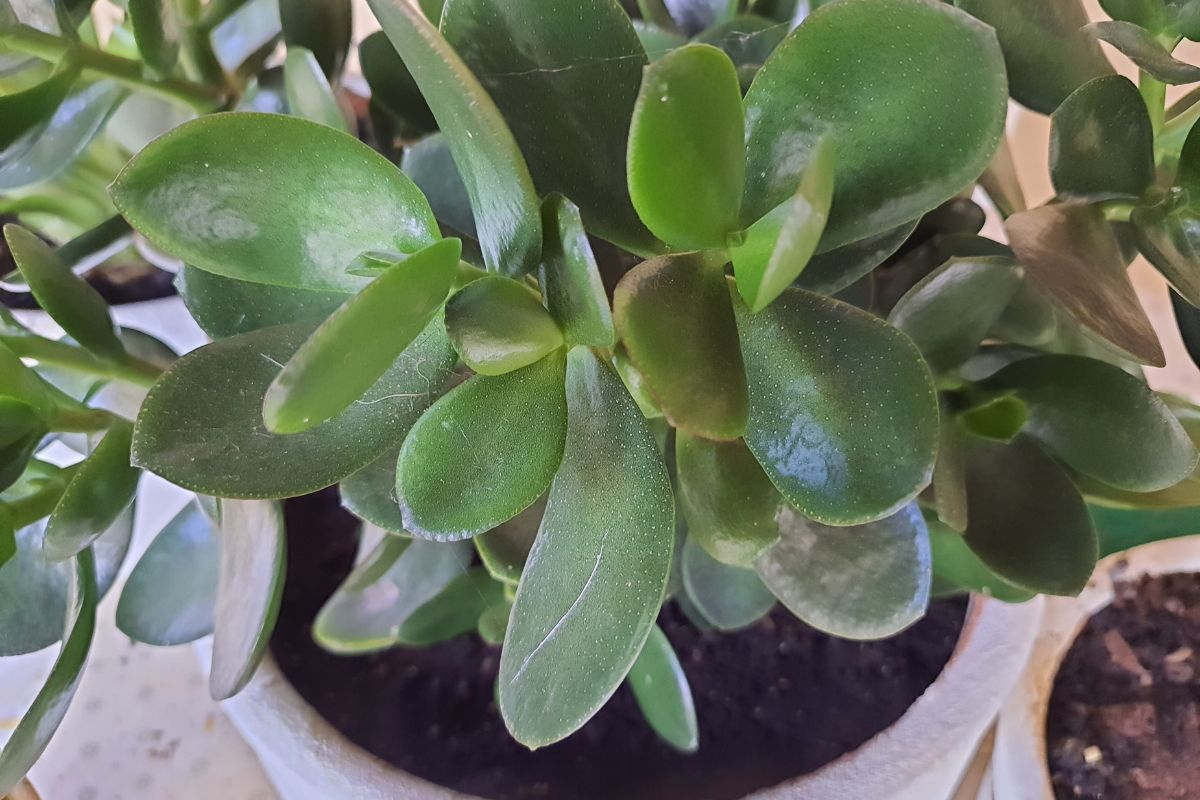
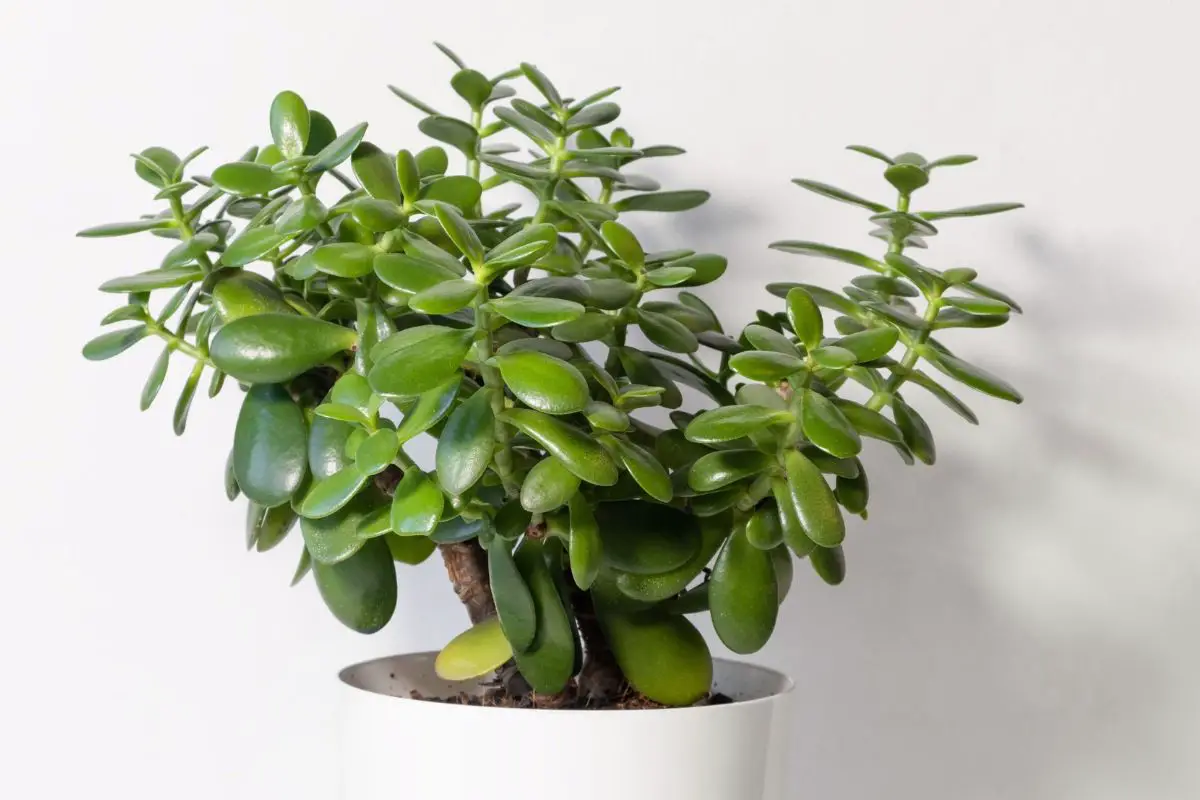
Jade plants are famous for their succulent leaves, which are plump, firm, and glossy when properly cared for. However, the leaves may shrivel if the plant is neglected.
Jade leaves can become wrinkly due to the following issues:
- Underwatering
- Overwatering
- Too much sunlight
- Improper temperature and humidity
- Nutrient imbalance
Wrinkled leaves often indicate that jade plants are dehydrated. It’s important to correctly identify the underlying cause for an appropriate and timely solution, which I’ll explain in this article.

Jade Plants: An Overview
Jade plants are botanically known as Crassula ovata, which means plump and egg-shaped, pertaining to their succulent leaves.
The individual cells in the leaves have an elastic cell wall that helps them store extra moisture. Meanwhile, the glossy leaf coating prevents rapid moisture loss. Jade plants also have shallow roots that quickly absorb water before it’s lost through the loose soil.
These are morphological adaptations to their semi-arid native environment.
As the water is quickly transported from the roots to the shoots, the plant cells swell without bursting because of the cell wall. The turgid cells make the leaves appear plump and firm. Without enough water, the cells shrink or collapse, and the leaves appear wrinkly.
Letting your plant go too long without water will likely cause wrinkled leaves, especially during the growing season (spring and summer).
Symptoms of Wrinkled or Shriveled Leaves
Dehydration is the primary reason jade leaves shrivel and exhibit the following symptoms:
- Have visible wrinkles and feel rough
- Fold or bend easily between your fingers
- Curl up even without pressure
- Appear droopy
At this stage, you can often reverse the issue by watering your plant properly (I’ll discuss this later in the article).
On the other hand, prolonged exposure to poor care and unsuitable environmental conditions can escalate the problem beyond wrinkled leaves.
You may then notice these additional symptoms:
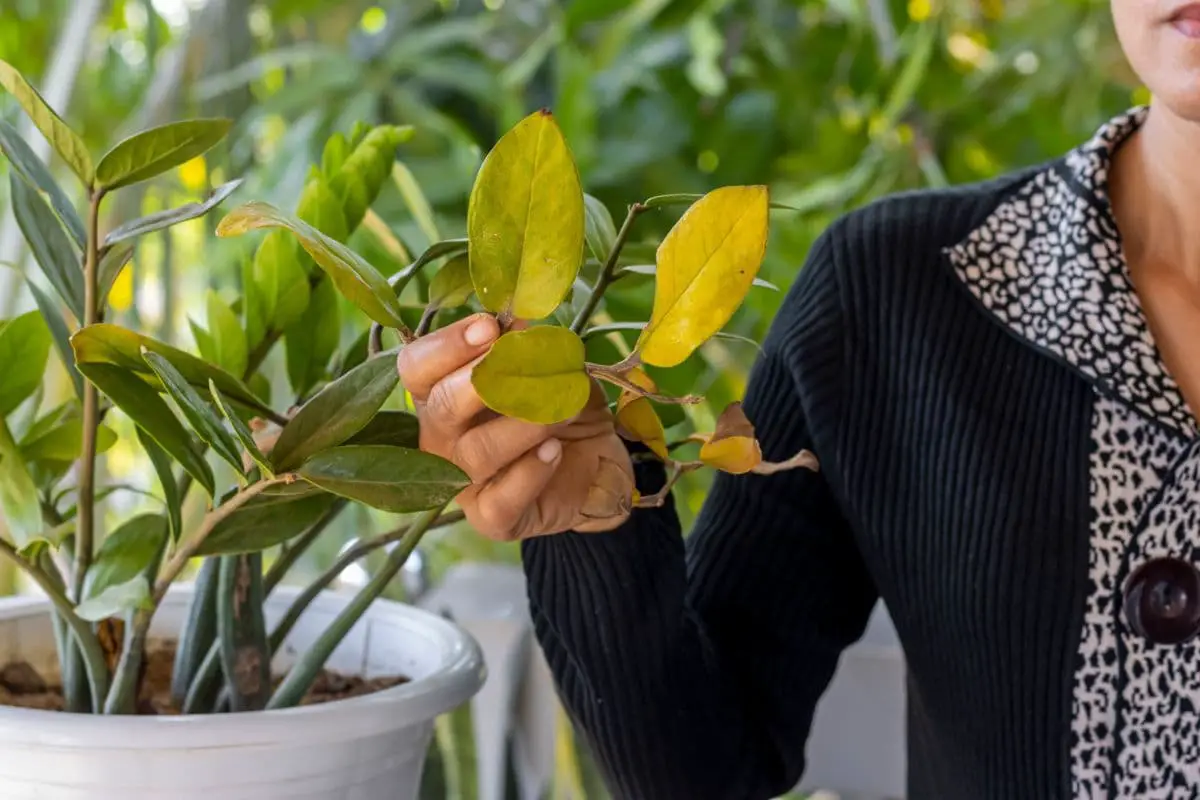
- Yellowing surface
- Brown edges
- Blisters or edema
- Red edges
- Brown scabs or scorch marks on the surface
- Smaller leaf size
Most of these symptoms are irreversible and often require pruning the damaged foliage. It’s crucial to check all the symptoms thoroughly to determine the cause and the corresponding treatment.
Common Causes (& Fixes)
Here are the common causes of wrinkled leaves in jade plants:
1. Underwatering
Over time, a plant loses moisture through transpiration. Plant cells require adequate moisture to remain firm. If the roots can’t draw enough water from the soil, the plant will use up the stored moisture in the cells, causing them to lose their turgidity and shrivel.
I once had to go on a 2-week trip, so I deeply watered my jade plant before leaving. When I came back, the plant still looked perfectly fine, with only minor wrinkling on a few leaves.
That said, mature jade plants can go 2-3 weeks in spring without water before the leaves become wrinkly. Other environmental conditions like light, temperature, and humidity can extend or reduce this duration.
You can confirm that the wrinkling is due to underwatering with the following signs:
- The soil is dry all the way through.
- Some leaves are turning pale or yellow.
- The leaves are droopy.
- You can fold or bend the leaves between your fingers.
In severe cases (i.e., failing to water your plant for over a month), your plant may show additional symptoms:
- Leaf drop
- Thin leaves
- Browning leaf edges or surface
- Brittle stems
Here’s how to help your plant recover from underwatering:
- Remove dried-out leaves by pinching between clean fingers or using sterile scissors.
- Water the soil deeply and evenly until the excess drips out of the drainage holes.
After 2 days, the leaves should appear firm and perky again. However, if the water quickly exits the pots without properly rehydrating the soil, it means the soil mix has become hydrophobic.
You can fix this issue with the following options:
- Bottom watering: You can soak the bottom half of the pot in a tub of water for 10-30 minutes until the soil surface feels moist. This relieves hydrophobic clumps and ensures the soil is evenly saturated.
- Repotting: If the soil is severely hydrophobic with a crusty surface and poor water infiltration, it’s best to repot the plant in fresh soil mix rich in organic matter. I recommend a succulent mix or a compost-perlite mix with a 50-50 ratio.
You can then improve your watering routine with these tips:
- Check the soil moisture around 10 days after the previous watering session. You can use a wooden chopstick to poke into the soil halfway down. If it’s still moist, check again after a few days.
- Water your plant as soon as the top half of the soil mix is dry.
- Pour enough water over the soil until the excess drains out of the pot.
- Reduce watering frequency from fall to winter by waiting until the upper 2-3 of the pot is dry before watering.
2. Overwatering
Soggy or water-logged soil can suffocate and damage the roots, leading to root rot. Once the fragile jade roots are damaged, they can’t send moisture to the shoots, leading to dehydration and shriveling.
Before dehydration occurs, you may notice the following symptoms of overwatering:
- Wet soil surface
- Yellowing leaves
- Leaf drop
- Mushy spots (edema) on the leaves that eventually burst (blisters)
- Whole mushy leaves
- Black, mushy, smelly roots
As the roots decay, the leaves become dehydrated and exhibit similar symptoms to underwatering.
Overwatering may be caused by the following:
- Frequent watering: It’s crucial to give the roots enough time to dry and breathe between watering sessions.
- Poor soil drainage: Jade plants require fast-draining soil to prevent the fibrous roots from sitting too long in water. They also do best in breathable pots with drainage holes to drain the excess water.
- Oversized pot: Too much soil can hold excess water that can lead to overwatering problems and root rot. The excess soil moisture can encourage rot-causing pathogens to increase and feed on the fibrous roots, causing them to become mushy and smelly. The damaged roots can’t send moisture to the shoots, leading to wrinkled leaves.
Since dehydration or wrinkling leaves due to overwatering can indicate a high probability of root rot, you must repot your plant in fresh soil mix and sterile pot.
Here’s how:
- Prepare a sterile pot 2 inches (5 cm) wider than the rootball. Choose a breathable pot with drainage holes.
- Prepare a fresh soil mix with excellent drainage. You can use a high-quality succulent mix or a homemade compost-perlite mix.
- Carefully unpot the plant by running a spatula around the pot’s edges to loosen the soil.
- Remove the soil around the roots using a wooden chopstick or hand cultivator.
- Inspect the roots to locate the rotten sections. Remove all parts that appear black and mushy using sterile scissors.
- Sterilize the scissors with rubbing alcohol between cuts to prevent the spread of infection.
- Prune the damaged leaves so the roots will have less foliage to support.
- Soak the pruned roots in 1% hydrogen peroxide for 5-10 minutes. This can rehydrate the roots, introduce oxygen, and kill any remaining pathogens.
- Leave the plant unpotted for a week in a cool room (70 °F or 21 °C) with moderate humidity (50%) away from direct sunlight.
- Once ready to transplant, fill the bottom of the pot with 2 inches (5 cm) of moist soil mix and spread the roots over it. Fill in the gaps with more soil mix until the roots are buried an inch (2.5 cm) deep.
- Place the plant in a spot with bright indirect light.
- Wait one full week before watering the plant deeply. Refer to the watering tips discussed above when reverting to your regular care routine.
3. Too Much Sunlight
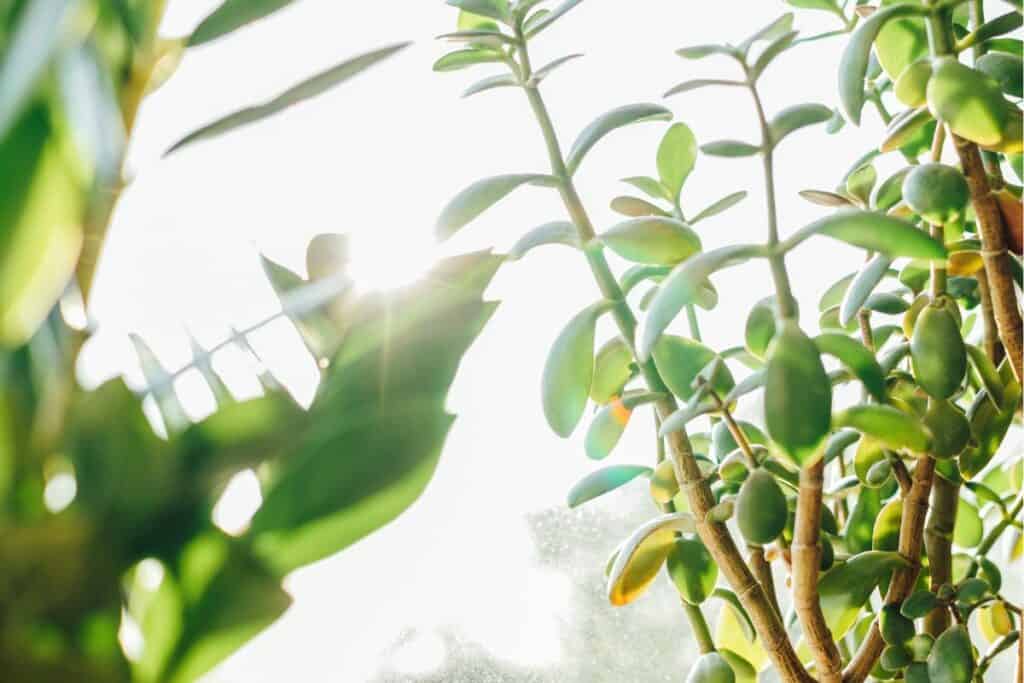
Intense sunlight can also quickly dehydrate a jade plant and cause wrinkled leaves. It can increase the plant’s photosynthetic and metabolic activities, prompting a more rapid water consumption. It can also increase the soil moisture’s evaporation rate.
Here are some signs to confirm that the wrinkling is due to too much sunlight:
- Red leaf edges due to an accumulation of anthocyanin (red leaf pigment) from light stress
- Leaf scorch (brown or black spots on the leaves) on the sun-exposed part of the plant
Follow these tips to improve the plant’s condition:
- Prune the leaves with scorch marks because they won’t recover.
- Move your plant a few feet (+0.6 m) away from a sunny window to an area where it receives bright indirect light for 8 hours daily. If it’s still receiving direct sunlight at certain times during the day, hang a curtain to filter the light.
- Water the plant adequately, ensuring the soil doesn’t become bone-dry between watering sessions.
- Give the pot a quarter or a half turn every time you water the plant. This will prevent too much sun exposure on one side of the plant and promote a balanced growth.
The redness on the leaf edges should gradually disappear after moving your plant away from intense sunlight. The leaves will also regain their plumpness a few days after deep watering.
4. Improper Temperature and Humidity
Jade leaves may become dehydrated more quickly at high temperatures and low humidity. Such conditions will prompt the plant to transpire more to release heat.
If there isn’t enough water in the soil to make up for the moisture lost through transpiration, the leaves will gradually lose water and shrivel.
In addition to wrinkled leaves, you may notice the following symptoms:
- Red leaf edges (light and heat stress can increase anthocyanin concentration)
- Leaf drop
- Dry soil
You can fix the problem with these steps:
- Water the plant deeply to rehydrate the leaves.
- Move your plant away from heating vents or sunny windows to improve the temperature around it. Keep the temperature between 65 and 75 °F (18 and 24 °C).
- Boost the humidity by grouping succulents in the same spot. You can also switch on a humidifier a foot (30 cm) away from your indoor plants.
5. Nutrient Imbalance
Both over-fertilization and nutrient deficiency can cause wrinkled leaves in jade plants.
Here’s how:
Over-Fertilization
Excess fertilizer salts in the soil can draw moisture from the fragile roots and lead to dehydration.
You can identify this issue with the following signs:
- White crust or film on the soil surface several weeks after granular fertilizer application
- White specks on the leaf surface from salt accumulation after water dissipates from transpiration
Here’s how to fix the problem:
- Scrape the top ¼ inch (0.6 cm) of the soil—being careful not to damage the roots.
- Top the soil with fresh jade soil mix to replenish the displaced layer.
- Flush the soil with filtered water to leach the remaining salts.
- Repeat flushing after 3-7 days or as soon as the top half of the soil mix is dry.
- Refrain from fertilizing your plant for the next 2-3 months.
Nutrient Deficiency
A lack of calcium can affect the rigidity of the cell walls, making the leaves more likely to wrinkle from drought stress.
Other signs of calcium deficiency include:
- Stunted root growth: Calcium helps root tips grow longer.
- Smaller leaves: A sturdy cell wall allows cell elongation when properly hydrated. Conversely, insufficient calcium can inhibit proper cell wall development, causing the leaves to stay small.
To fix the problem, feed your plant a half-strength balanced liquid fertilizer (10-10-10) with micronutrients like calcium once a month until about a month before the first fall frost.
Jade plants have low nutrient requirements so avoid overfeeding your plant.

Preventive Measures and Care Tips
Jade plants are resilient houseplants that thrive with minimal care. Checking your plant thoroughly every 2-3 weeks should be enough to maintain a laidback gardening routine while keeping your plant vibrant and problem-free.
Here are some simple maintenance tips to help prevent wrinkled leaves:
Watering
Water your plant as needed—ideally, as soon as the soil is dry at least halfway through. You can also try to bend the leaves to check for moisture content.
If the leaves feel firm, you can wait a few more days. However, if they easily bend between your fingers, it means they’ve lost turgidity and can use some deep watering.
Light
Give your plant 4 hours of direct sunlight from an eastern window. If you have a sunny western or southern window, you can keep the plant up to 8 feet (2.4 m) away to avoid sun stress.
Rotate the pot by 90-180° after watering for even light distribution and bushy growth. This can also prevent leaning or legginess.
Pest Management
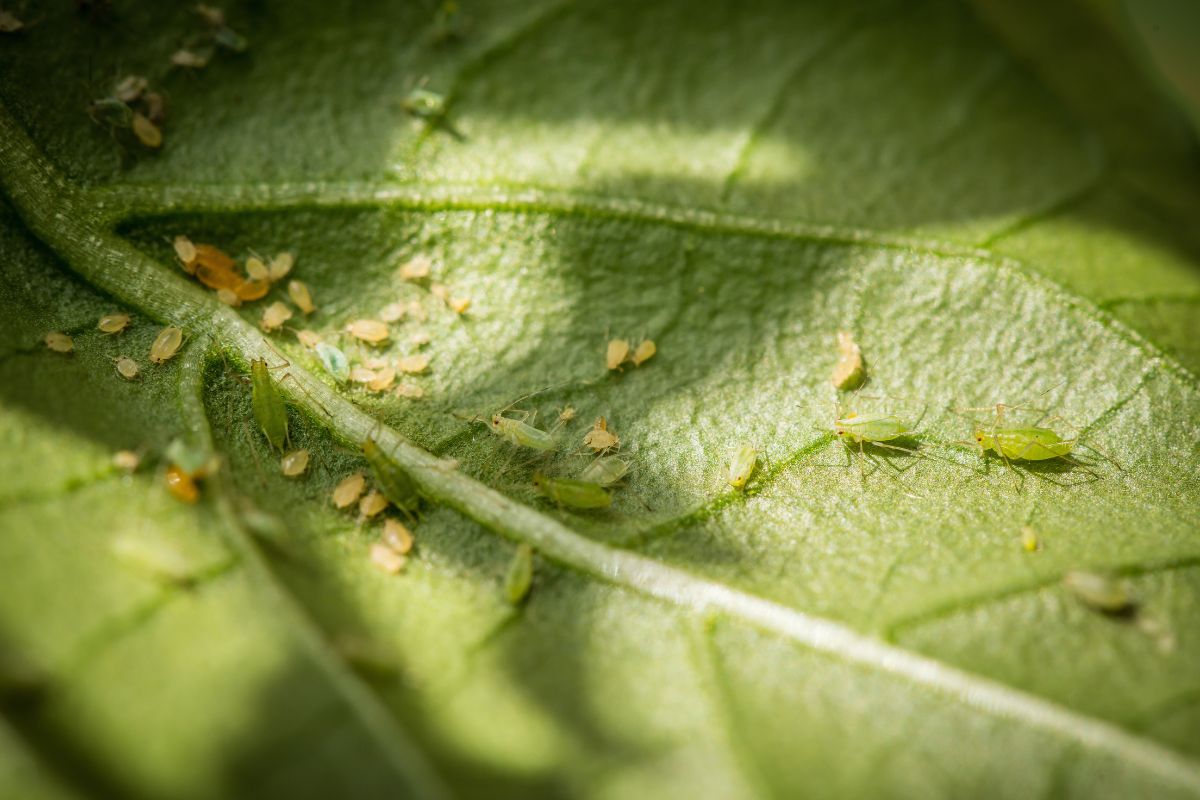
After watering and rotating the plant, dust the leaves using a clean cloth. Inspect the undersides for signs of pests like white fluff (mealybugs) or webbing (spider mites).
You might also find brown bumps along the stems (scale insects) or translucent crawlers (aphids) on leaf undersides. Remove them using a cotton swab with alcohol.
Temperature & Humidity
Maintain daytime temperatures around 75 °F (24 °C). Although jade plants can tolerate temperatures up to 100 °F (38 °C), they’ll be at higher risk of rapid dehydration and wrinkled leaves.
Jade plants can tolerate a wide range of humidity levels but do best at 30-50% all year round.
Fertilization
Choose a balanced fertilizer (10-10-10) with micronutrients like calcium, iron, and magnesium to ensure your plant receives adequate nutrition. Feed your plant once in spring using a granular fertilizer (and once in summer if you want faster growth).
Alternatively, you can add a half-strength liquid fertilizer every other time you water the plant from spring to summer.
Pruning
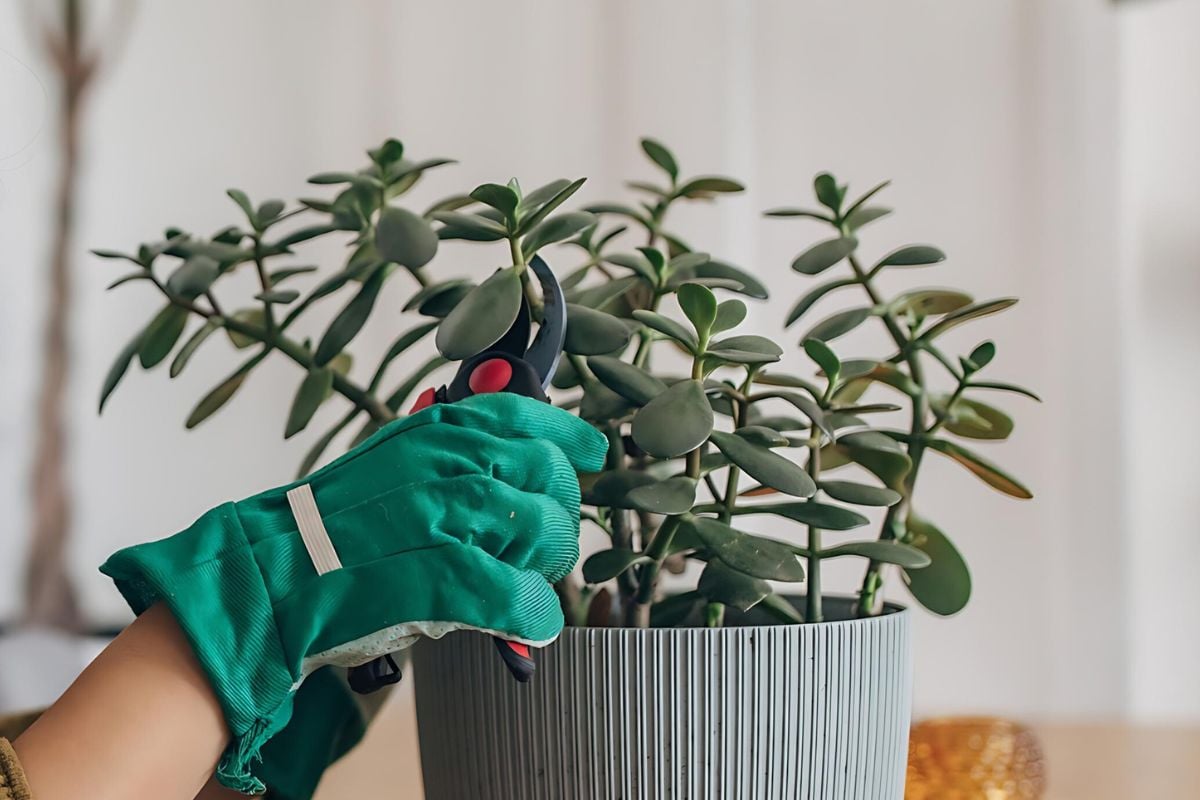
Jade plants don’t require frequent pruning. I recommend pruning your plant in spring or summer only if you need to remove unruly branches or control its spread. You can also pinch small shoots growing in unwanted spots anytime.
These tips are excellent for spring and summer care while the plant is actively growing. However, you must adjust your care routine in the fall and winter based on the tips below.
Seasonal Considerations
Jade plants require lower temperatures and infrequent watering in the fall and winter to mimic the environmental conditions in their native environment. These conditions prompt them to enter less active growth.
Nevertheless, they need adequate care to keep the leaves from becoming wrinkly.
Here’s how to transition to fall and winter care:
- Fertilization: Stop fertilizing your plant 2-4 weeks before the first fall frost.
- Watering: Gradually increase the watering interval by waiting until the top ⅔ of the soil is dry between watering sessions.
- Light: Move the plant a foot (30 cm) away from a sunny window every week until it only receives bright indirect light by mid-fall. Too much sunlight can dry the plant out more quickly, especially with a reduced watering frequency.
- Temperature: Choose a spot away from heating or cooling vents and maintain daytime temperatures around 70 °F (21 °C). It’s okay to let nighttime temperatures fall as low as 50 °F (10 °C) but keep it from falling below 40 °F (4 °C) to prevent cold shock.
Final Thoughts
Jade plants are famous for their drought tolerance, so watering them infrequently is common. However, waiting too long between watering sessions can cause the leaves to become wrinkly.
Unsuitable environmental conditions, such as intense sunlight, high temperatures, and low humidity, can speed up moisture loss from the soil and plant cells, leading to dehydration and wrinkled leaves.
Since every household has a different environment, monitoring your plant regularly is important. Consistent care and monitoring can help detect problems early so you can fix them and keep your jade plant in the best shape.
Share with us your experience and care tips for overcoming or preventing wrinkled leaves in jade plants. You can also follow our blog and social media channels for more gardening tips and tricks.